Jo Nesbø Liberates Harry Hole for the Streaming Age
Jo Nesbø’s legendary detective, Harry Hole, has finally found a new home on Netflix. This adaptation isn’t just another chapter in the Nordic noir saga—it’s an audacious reinvention by its own creator. Between icy Oslo nights and the menacing calm of a city haunted by serial crime, Nesbø steps in not just as novelist but as chief architect, demonstrating an unusual freedom from his original material. According to Nesbø, being both creator and adapter grants him the liberty to ‘do whatever I please’, treating his novels with respectful irreverence and a willingness to reshape even his most iconic moments. For viewers, this means a story that’s faithful to the DNA of Harry Hole, but delivered with surprising freshness—even surprising Nesbø himself during the reread.
From ‘The Devil’s Star’ to Oslo’s Shadows: A Dark Descent
Rather than a page-for-page retelling, the series distills the essence of The Devil’s Star and key storylines from across the 13-novel franchise. At its heart, Harry Hole wrestles with sobriety and fractured relationships while tracking a deadly crew of bank robbers following a tragic loss. His ongoing romance with Rakel—a single mother—and his struggle to bond with her son Oleg introduce layers seldom seen in procedurals. The main case threads—gruesome serial killings marked by pentagram-shaped gems beneath victims’ eyes—draw Harry ever closer to his personal nemesis: the corrupt cop Tom Waaler. This nemesis, more chess master than thug, has become one of the small screen’s most intriguing villains.
Performance Meets Method: Tobias Santelmann in the Abyss
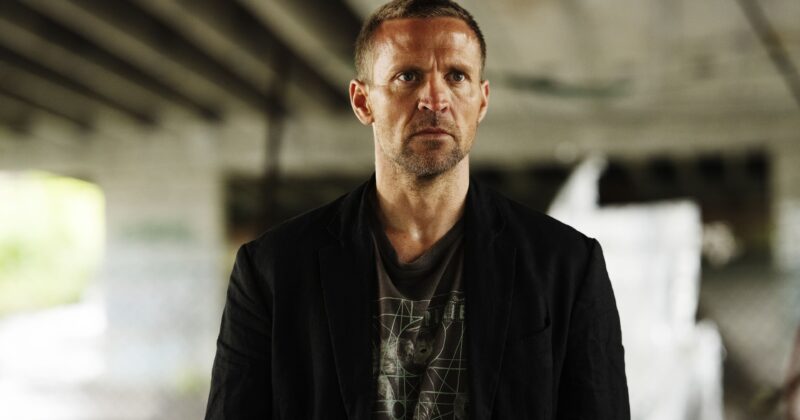
Anchoring the series, Tobias Santelmann (The Last Kingdom) embodies Harry Hole’s brooding complexity. In collaboration with Nesbø, Santelmann experimented with subtle, almost imperceptible cracks in Harry’s stoic facade—‘the camera reads everything’, Santelmann notes. Episodes often demanded multiple takes: in some, Harry kept everything bottled; in others, he let some darkness leak. These nuances, decided as much in the editing suite as on set, lend the series a rare authenticity, making the detective’s descent all the more chilling when it happens. For Santelmann, it’s a chance to shed his naturally upbeat demeanor for something much deeper—an irresistibly dark playground.
Mental Chess: The Harry-Tom Rivalry
The dynamic between Harry and Tom, played by Joel Kinnaman (For All Mankind), is more than a procedural cat-and-mouse—it’s a psychological duel. Kinnaman’s Tom is unpredictable, a trait that fed off frequent improvisation, keeping Santelmann perpetually on his toes. Off-script moments, like a scene with an annoyingly persistent toy monkey, slipped into the final cut, bringing unfiltered tension and authentic irritation. These details highlight the naturalistic approach both director and cast took in making Oslo’s police force feel gritty, unpredictable, and real.
A Nordic Noir Reinvented for Modern Viewers
The cast’s ensemble pedigree—including Peter Stormare, Ingrid Bolsø Berdal, and Anders Baasmo Christiansen—helps to ground Jo Nesbø’s shadowy universe. Critical reception reflects this confident reimagining: the show boasts a strong 93% approval on Rotten Tomatoes, a far cry from the lukewarm reception that greeted previous attempts to adapt Nesbø’s novels. It’s a testament to letting creators take bold risks, and to the power of streaming platforms to offer second chances for beloved, if damaged, antiheroes.