Joker’s Wild West Makeover: How a Cowboy Costume Finally Redefined an 86-Year-Old Icon
Joker’s Iconic Look Gets a Frontier Twist
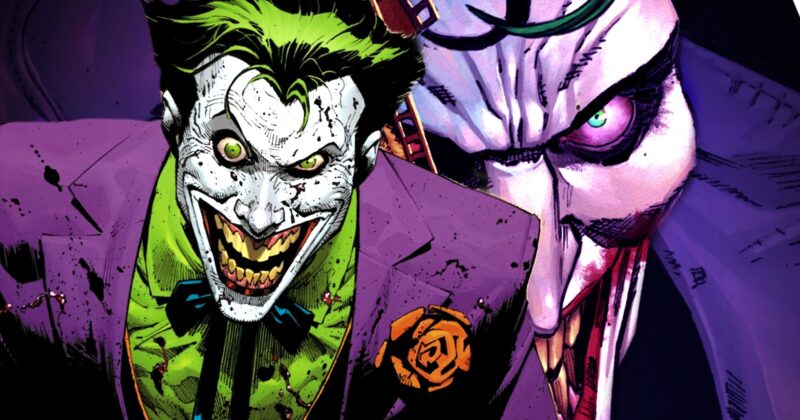
Over the course of nearly nine decades, the Joker has become one of DC Comics’ most enigmatic and visually dynamic villains. From his debut as the Clown Prince of Crime to countless reinterpretations, his look has fluctuated from slick mobster to psychedelic prankster. Yet, the most striking transformation recently unveiled sees the Joker trading his traditional purple suit for a full cowboy ensemble—a change that resonates as both surprisingly natural and brilliantly theatrical.
In the latest Batman/Wonder Woman: Truth limited series, the Joker steps onto the scene donning a Wild West-inspired outfit—complete with a wide-brimmed purple hat, a flamboyant green scarf, and a pair of classic twin revolvers holstered at his side. This sartorial pivot is not a random gimmick but a clever extension of the character’s identity as an outlaw and showman, blending his existing flamboyant outlaw aura with the evocative iconography of the American frontier.
Why the Western Vibe Feels So Right
It might seem odd that it took over 85 years for the Joker to embrace cowboy aesthetics wholeheartedly. After all, his signature swagger, penchant for theatricality, and dramatic flair have always aligned with the larger-than-life persona that Western antiheroes embody. The Western motif parallels his chaotic, performative nature perfectly—Joker is, in many ways, a gunslinger of madness, a villain who thrives on spectacle and unpredictability.
Adopting cowboy accouterments creates a layered narrative synergy, especially within the story context where he has stolen one of DC’s most iconic relics, the Lasso of Truth. This blend of mythic Western outlaw with his classic clown prince persona elevates the absurdity to a new level of narrative sophistication. He quips about «getting himself that there lasso» before making his escape, merging Old West drawl humor with his traditionally manic, pun-filled dialogue.
Storytelling Enhanced by Costume
The Western makeover debuts in a high-profile prestige title helmed by writer Jeph Loeb and artist Jim Cheung, where Batman and Wonder Woman team up to recover the stolen Lasso of Truth. This creative setup naturally allows the Joker and Harley Quinn to inhabit roles that fuse criminal enterprise with theatrical flair—collapsing the line between chaos and performance.
Unlike previous alternate takes or what-if explorations common in comics, this reinvention taps directly into the Joker’s relentless need for performance art within his villainy. This costume is woven organically into the narrative, avoiding the pitfalls of feeling like a mere aesthetic detour. It’s not just about looks; it’s about deepening the Joker’s relationship to his environment and his schemes.
Context Within DC’s Broader Evolution
This redesign also fits into a recent trend within DC Comics to revisit and revamp characters with period-inspired and genre-blending styles. Superman’s own cowboy makeover made headlines, presenting him as a Western hero reimagined for a distinct historical setting. While Superman’s version leans more into alternate style fun, the Joker’s cowboy incarnation feels intrinsic, almost inevitable, as if the character’s essence was always waiting just beneath the surface for this interpretation.
Technically speaking, updating a character’s visual identity after so many years involves balancing respect for legacy elements with fresh, imaginative twists. This new look uses color palettes familiar to Joker fans but applies them in a rugged, frontier context—purple remains dominant, but through leather, scarfs, and hats that amplify his theatricality rather than dilute it. By integrating classic Western props like twin six-shooters and a lasso, the design seamlessly ties into both Joker’s trickster roots and the narrative demands of the new story arc.
Legacy and Influence
Since debuting in the 1940 Batman comics crafted by Bill Finger, Bob Kane, and Jerry Robinson, the Joker has embodied the ultimate chameleon of villainy. His portrayals by actors like Cesar Romero, Jack Nicholson, Mark Hamill, Heath Ledger, Jared Leto, Joaquin Phoenix, and most recently Barry Keoghan, highlight the character’s adaptability and iconic status within pop culture. Each iteration emphasized different aspects: madness, menace, showmanship, or psychological depth.
This frontier-inspired costume follows that tradition of reinvention but stands out by visually marrying Joker’s inherent chaos with the mythos of the American outlaw—an archetype that resonates with audiences precisely because of its balance between lawlessness and theatrical honor code. The cowboy Joker isn’t a phase; it’s a definitive statement that even after all these years, the character’s potential for surprising reimagination remains as potent as ever.