The Turning Point That Redefined Doctor Who
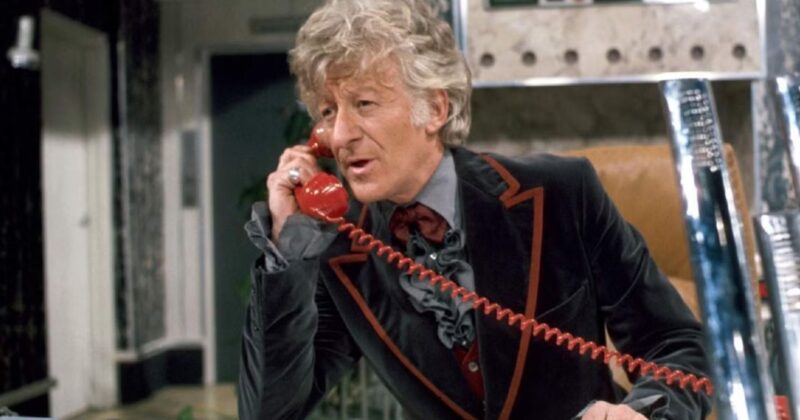
Fans new and old regard Doctor Who as the longest-running sci-fi series in television history, but the story behind its signature style didn’t come instantly. Throughout the 1960s, the show experimented heavily with format, tone, and even its lead character. Everything changed when Jon Pertwee took over as the Doctor, setting a new standard for what would become the recognizable, bold, and adventurous heart of the franchise.
Why Jon Pertwee’s Arrival Made Lightning Strike
Pertwee’s first story, ‘Spearhead From Space’, wasn’t just a routine case of changing lead actors; it was a full-scale reinvention. The series made the leap to full-color broadcasting, the Doctor was stranded on Earth, and old companions were out, replaced by UNIT and new faces. This fresh direction resonated immediately with viewers, setting off a chain reaction that still influences modern episodes. Imagine being a fan back then and witnessing the debut of the Nestene Consciousness and the eerie, mannequin-like Autons—enemies so memorable that they’d later inspire the 2005 series revival’s iconic opening episode.
A Template for Modern Doctor Who
‘Spearhead From Space’ introduced audiences to some of the lasting hallmarks of the Doctor—most notably the detail that Time Lords have two hearts. By anchoring the Doctor to late 20th-century Earth via the intervention of the Time Lords, the show swapped cosmic meandering for tightly plotted Earthbound adventures. This forced proximity with UNIT and the everyday world amped up the series’s tension, letting the Doctor’s intellectual flair and Pertwee’s commanding presence take center stage. This era quickly became a touchstone for writers and fans alike, offering blueprints for rebooting the show decades later.
A Review of What Came Before: Starting Points and the Need for Change
Pertwee’s early impact is especially clear when compared to the debut runs of his predecessors. William Hartnell’s ‘An Unearthly Child’ is notable for introducing the Doctor and the mysterious TARDIS, as well as the mix of companions that formed the backbone of early adventures. However, the story wobbled as it experimented with format, tone, and cast chemistry—ingredients fully in development and far from refined. Patrick Troughton’s first outing as the Second Doctor took place right after the show’s first-ever regeneration, a then-baffling concept that challenged viewers’ expectations and put Troughton’s eccentric approach directly under the microscope. But the wild experiment paid off, paving the way for future transformations.
Pertwee’s Lasting Influence Across Pop Culture and TV
Jon Pertwee wasn’t just another actor in a rotating series of Doctors—he created a legacy. His portrayal infused the character with dynamic sophistication and a playful spark that hadn’t been seen before. The stories of this era, filled with high-energy chases, eccentric science, and earthly dilemmas, would go on to inspire the likes of Russell T Davies when relaunching the show for a new generation. The two-heart lore, the introduction of lasting antagonists, and a sense of immediacy through UNIT all became timeless staples.
Doctor Who’s Shape—Then and Now
This evolution didn’t just keep Doctor Who alive; it propelled it into the future, helping the show find its unique voice amid the explosion of science fiction on television. The refinements introduced by Pertwee’s era have echoed through the decades, ensuring that every new regeneration is more than just a recast—it’s a moment when the series can reboot, reimagine, or even pay homage to its pivotal moments. For fans of TV, pop culture, and science fiction, Pertwee’s arrival stands as a prime example of how reinvention can sustain a legendary icon for generations.