Justified: How FX’s Neo-Western Crafted One of TV’s Most Memorable Casts
The Cast That Defined a Modern Neo-Western Classic
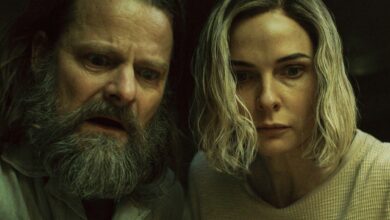
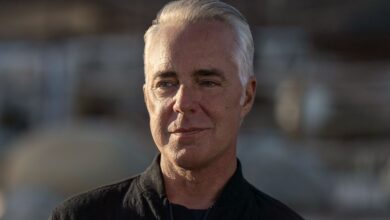
In the competitive landscape of contemporary television, few shows have managed to strike the perfect balance of sharp writing, atmospheric production, and a cast that elevates every scene they touch. FX’s neo-Western series Justified not only achieved this balance but set a benchmark for character-driven storytelling bolstered by exceptional casting choices. The show’s appeal lies not merely in its gripping narrative but in how skillfully its diverse ensemble of talent brought the rugged world of Harlan County, Kentucky, to life.
Unlike many series where star power can overshadow storylines, Justified thrives on the chemistry and nuanced performances of its cast. At the heart of this synergy is the dynamic collaboration between Timothy Olyphant and Walton Goggins, whose portrayals of U.S. Marshal Raylan Givens and the complex outlaw Boyd Crowder remain iconic. Their electrifying tension moves seamlessly between camaraderie and rivalry, providing a captivating emotional core that anchors the entire series.
Timothy Olyphant and Walton Goggins: Beyond Iconic Roles
Olyphant’s Raylan is the quintessential modern Western hero: morally ambiguous with a firm sense of justice, portrayed with a charismatic subtlety that grounds the show’s more dramatic moments. Goggins, meanwhile, delivers perhaps television’s most compelling antihero in Boyd Crowder, a character whose intellectual depth and unpredictability keep viewers guessing. Their chemistry transcends the screen, weaving an intricate dance of respect and conflict that is rare in TV duos.
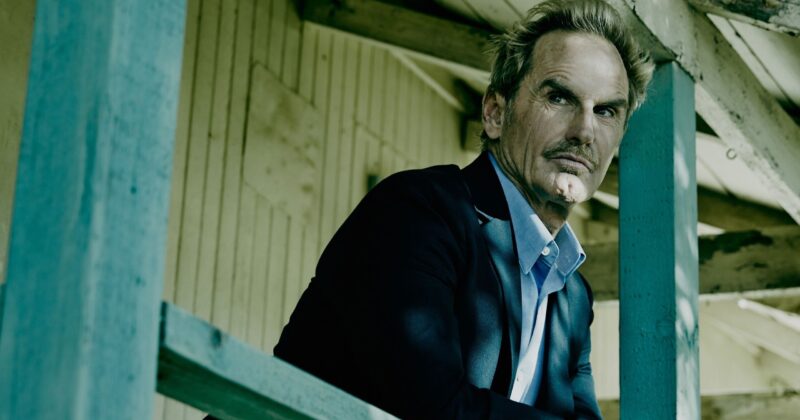
The brilliance of Justified lies not only in these leads but also in how the supporting cast complements and amplifies their performances. Joelle Carter’s portrayal of Ava Crowder adds layers of grit and vulnerability, while Nick Searcy and Erica Tazel provide steadfast supporting roles that enrich the show’s emotional texture. Meanwhile, Jere Burns as Wynn Duffy stands out as a clever antagonist whose presence injects a persistent edge, balancing the narrative’s tension exquisitely.
The Strength of an Expansive and Talented Supporting Cast
Across its six seasons, the show welcomed a parade of acclaimed actors who contributed to its richly woven world. Season after season, viewers were treated to appearances from names who either were already industry titans or rising stars on their trajectory to acclaim. Sam Elliott’s guest role, for example, remains unforgettable—a testament to the show’s ability to cast the perfect talent for crucial parts, ensuring each character leaves a lasting legacy.
Great actors like Margot Martindale, Mary Steenburgen, Neal McDonough, and Stephen Root graced the screen with performances that balanced menace, warmth, and humor. Emerging talents such as Kaitlyn Dever and Jacob Lofland added fresh energy, weaving their characters seamlessly into the fabric of Harlan’s rough-and-tumble environment. Even comedic talents like Patton Oswalt and Garret Dillahunt found space to contribute, underscoring the show’s genre versatility.
Why Casting Matters More Than Ever in TV
In an era flooded with content, casting can be the decisive factor that elevates a show from just another series to an enduring classic. Justified is a masterclass in using cast members not merely as players but as intricate pieces in a story puzzle, each performance enhancing the world-building and narrative depth. Its ability to continually cast actors who perfectly fit, challenge, and complement each other meant that its storytelling remained sharp and vibrant throughout each season.
This approach ensured that even years after the finale, the show remains a reference point for strong ensemble performances in television, with many viewers returning to appreciate its intricate character dynamics and memorable guest appearances. For aspiring showrunners and casting directors, Justified exemplifies how the right cast, combined with precise storytelling, can create a show that transcends the screen to become a cultural touchstone.