An Animated Journey That Redefines Coming-of-Age
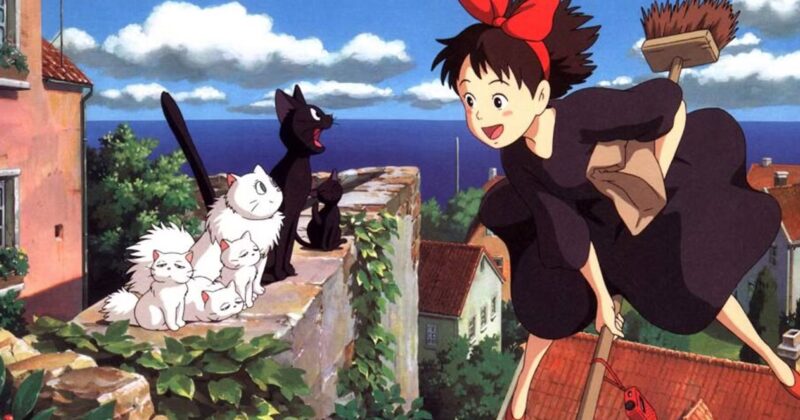
Kiki’s Delivery Service stands as a quietly powerful entry in Studio Ghibli’s illustrious catalogue. While it may not feature the epic confrontations and supernatural creatures present in «Princess Mononoke» or «Spirited Away,» this film’s magic is found in its subtlety and heartfelt exploration of growing up. It’s a glimpse into the universal anxieties and hopes that shape the leap from childhood to youthful independence—told through the eyes of a novice witch with a flying broom and a sharp-witted black cat.
The Art of Slice-of-Life, Reimagined
At the center of the narrative is 13-year-old Kiki, adeptly voiced by Minami Takayama in Japanese and Kirsten Dunst in the English dub. Growing up with her loving parents—her father an ordinary man, and her mother a quietly skilled witch—Kiki represents that pivotal moment when tradition and the push for personal discovery intertwine. The world she leaves behind welcomes magic as a part of daily life; simple herbal potions and aerial broom rides are met not with trepidation, but neighborly applause.
Upon her departure, Kiki must contend with a city that isn’t nearly as welcoming. Her earnest attempts to blend in are met with curious stares and, at times, indifference. It’s only through her determination and a whimsical twist—a delivery service run from the attic of a kindly baker’s shop—that she starts to carve out a new home. And though her magical skills provide a distinct advantage for package delivery, Kiki’s real journey unfolds through the ups and downs of forging connections and learning from every slip, missed delivery, and awkward encounter.
Miyazaki’s Masterclass in Nuanced Storytelling
Hayao Miyazaki masterfully inverts classic fantasy tropes. While other tales whisk ordinary children off to magnificent worlds, Kiki navigates the reverse: a magical girl learning to fit into an all-too-ordinary society. The stakes are deeply personal—embarrassment over minor failures, the ache of loneliness, or the challenge of living up to expectations—making the film’s emotional landscape instantly recognizable.
Rather than cast dark villains or world-ending threats, «Kiki’s Delivery Service» focuses on self-doubt and the quiet pressure of growing responsibility. These are experiences common to anyone stepping into adulthood, resonating just as much in 2026 as when the film first bewitched audiences.
Friendship, Creativity, and the Importance of Pausing
What the film brings front and center is the beauty of friendship and mentorship. Kiki finds unlikely allies in Osono, the baker who offers shelter and encouragement, and Tombo, a quirky enthusiast for all things aviation. One of the film’s most striking moments unfolds in a forest-bound cabin, where Kiki confides in Ursula, a painter wrestling with her own bouts of creative block. Their conversation about losing one’s ‘spark’ is a gentle but profound nod to the mental weariness—burnout, doubt, pressure—that often goes unspoken, especially among younger viewers navigating new worlds both literally and figuratively.
Studio Ghibli’s Signature World-Building
The architecture and setting of Kiki’s coastal city evoke a charming blend of European inspirations, with visual nods to Stockholm flanking winding avenues and bustling markets. Time feels deliberately ambiguous, gliding between airships reminiscent of the 1930s and 1950s-era utilities. While the film doesn’t pin itself to any fixed year, this blend of eras crafts a sense of timelessness—a world untouched by war or overt historical trauma, where the focus is on community and self-discovery.
This attention to world-building details offers not only exquisite background for Kiki’s adventures, but also an aspirational take on what a supportive, imaginative society looks like. The universal struggles faced here—fitting in, failing, getting back up—resonate across generations, cultures, and languages.
Kiki’s Delivery Service in Pop Culture
The film has inspired generations of artists, animators, and fans. Its imagery—a girl on a broom silhouetted against a sunset, packages trailing behind—has become iconic. In today’s era of streaming, digital re-releases, and immersive retrospectives, «Kiki’s Delivery Service» continues to enchant new audiences, championing themes of independence, courage, and self-acceptance. Its influence is felt not only in animation but in art, fashion, and even philosophy on what it means to find your place in a fast-changing world.
Studio Ghibli’s craft shines through every frame, reconnecting viewers with the simple but profound joys and challenges of growing up. Whether you’re revisiting it on the big screen or streaming it at home, Kiki’s skyward journey never loses its magic.