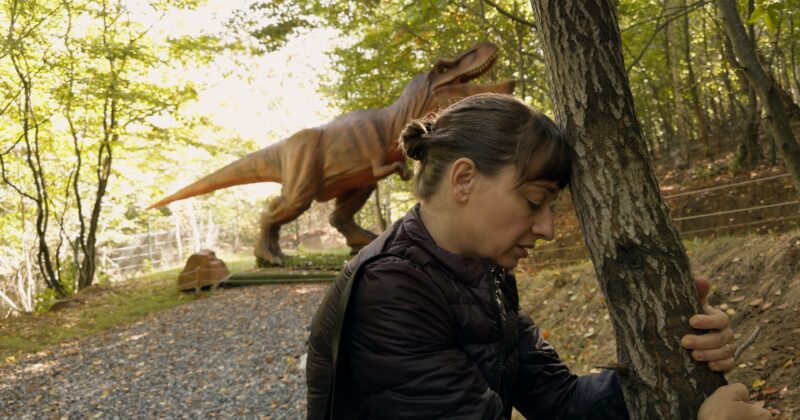
Kontinental 25: Radu Jude’s Savage Satire Peels Back the Cost of Urban Renewal

The Uncomfortable Irony at the Heart of Kontinental 25
Kritically sharp and painfully funny, Radu Jude continues his relentless examination of society’s contradictions with Kontinental 25. Set in Cluj, Romania, the film interweaves caustic humor and existential discomfort, dissecting modern urban life where progress too often tramples the vulnerable. There’s an immediate resonance with anyone who’s witnessed their city transformed by the invisible hand of ‘development’—and wondered who truly benefits.
Orsolya, Ion, and the Machinery of Displacement
At the center stands Orsolya (Eszter Tompa), a city bailiff navigating the moral gray areas of her job: evicting the unhoused under the pretext of revitalization. Jude’s approach evades melodrama, instead relying on excruciating awkwardness and social satire. After encouraging Ion (Gabriel Spahiu) to abandon the cellar he calls home for a planned boutique hotel, Orsolya grants him a brief reprieve. While she and a police officer sip coffee nearby, Ion, unseen and unheard by the social machinery swirling around him, ends his own life. This pivotal event sends Orsolya into psychic freefall, obsessively narrating the story to everyone she knows, grappling with a guilt that’s both deeply personal and chillingly systemic.
Urban Renewal as Modern Absurdity
Kontinental 25 excels at exposing the absurd rituals and self-deceptions that lubricate the gears of capitalism. The film channels the black humor reminiscent of Ling Ma’s Severance: cities as engines for consuming—and discarding—people and memories. Through Orsolya’s compulsive storytelling and her bizarre encounters (including a drunken, pseudo-philosophical reunion with a former law student), Jude highlights the desire for absolution, the need to feel both superior and forgiven without confronting the real consequences of our actions.
Who Truly Benefits from Progress?
The film’s supporting characters embody the uneasy complicity prevalent in urban life. Dorina (Oana Mardare), outwardly disgusted by an unhoused man, cloaks her disdain with fake concern—a performance familiar to most urban dwellers. The narrative forces viewers to confront their own reflexes, where fleeting moments of charity often serve to maintain, rather than solve, structural injustice.
Historic Echoes: Erasure and Memory
Radu Jude weaves in layers of Romanian-Hungarian history, pointing to how gentrification and ‘upgrading’ aren’t just about modern facades—they actively rewrite and suppress the past, paving the way for new forms of nationalist mythmaking. The erasure of ghostly absences—whether physical or cultural—mirrors the way societies sanitize collective guilt, papering over wartime atrocities or inconvenient truths to make room for capital and convenience.
Jude’s Daring, Uneasy Brand of Satire
Kontinental 25 marks a stylistic evolution for Jude, whose previous works like Bad Luck Banging or Loony Porn shocked audiences with even more confrontational imagery. Here, irony is diluted but razor-sharp, making laughter feel almost like a confession. The audience chuckles, then winces at the implication—identifying perhaps too closely with Orsolya’s rationalizations or Dorina’s distant sympathy. That discomfort is the very engine of the film’s power.
Wider Conversations in Cinema & Society
Jude’s film is essential viewing for those interested in how contemporary cinema interrogates themes of gentrification, social complicity, and the ghosts that modern cities try to erase. It’s a timely conversation, with urban development continuing to drive headlines, disrupt communities, and shape the stories we tell about our shared spaces. For anyone invested in the intersection of art, politics, and the brutal comedy of daily life, Kontinental 25 offers a bracing, unforgettable experience.
Kontinental 25 releases in select theaters this March. Radu Jude directs, with stand-out performances by Eszter Tompa and Gabriel Spahiu. Runtime: 109 minutes.