The Unforgettable Art of TV Trolling: When Series Go Off the Rails
Every TV lover knows the feeling: sitting at the edge of your seat, anticipating that next big plot twist. Twists are essential storytelling devices, capable of recharging a series’ momentum or setting the stage for its next era. But every so often, a show ditches genuine surprise for a troll—a moment so outrageous or unearned that it pulls the rug out from under viewers, often just for shock value. Some of these troll moments have become infamous, forever etched in fan memory as examples of when incredible series risked, and sometimes lost, the audience’s trust.
Sherlock: The Moriarty Mirage
Few dramas earned the global acclaim of Sherlock. Benedict Cumberbatch’s take on the iconic detective set new standards for modern adaptations, capturing imaginations with every piece of deduction. But it was the teases around Moriarty’s death and supposed return that truly tested fan patience. After an electrifying exit, Andrew Scott’s Moriarty seemed to have engineered his ultimate endgame—only for whispers and cryptic messages in later seasons to hint at a comeback. Ultimately, audiences were met with the twist that Sherlock’s secret sister was the real string-puller, not Moriarty. The hype collapsed, not only disappointing fans who yearned for more Moriarty, but also robbing the story of its hard-earned emotional finality.
WandaVision: The Quicksilver Fakeout
With WandaVision, Marvel Studios delivered what remains one of the most distinctive series in the MCU’s TV arsenal. But even among the show’s inventive sitcom homages and reality-bending chaos, one moment caused a genuine uproar. That was the arrival of Evan Peters as «Pietro Maximoff,» instantly sparking intense speculation among fans of both the MCU and Fox’s X-Men films. For a brief moment, the possibility of multiversal crossover was real—until it was revealed that this «Pietro» was just Ralph Bohner, a nobody with a not-so-funny name. This trolling move felt particularly unforgivable, given the promise of Marvel’s multiverse and how much weight the X-Men legacy holds in comic book culture.
She-Hulk: Attorney at Law: Breaking the Fourth Wall—and the Story
Meta-humor has always been the lifeblood of comics, but She-Hulk: Attorney at Law took things even further. In the show’s finale, Jennifer Walters broke through the figurative—and quite literal—Disney+ streaming interface, storming into a behind-the-scenes Marvel brainstorming session to demand a better ending to her show. While intended as a clever jab at both studio decision-making and fan toxicity, the sequence left many feeling the narrative had been abandoned for a punchline that went a step too far. Fourth-wall breaks work best when they amplify a story’s themes; here, the show seemed to sacrifice genuine resolution just to poke the audience.
Roseanne: The Gut-Punch Finale Nobody Wanted
For many, Roseanne was more than just a sitcom—it was a ground-breaking satire of American working-class life, packed with humor and emotional resonance. After nine seasons, viewers were blindsided: the final reveal was that Dan, beloved sitcom dad, had died the previous year from a heart attack, and the entirety of season nine was Roseanne’s grief-driven hallucination. Fans revolted, and the backlash was so definitive that the character’s death was retroactively erased when the series was revived, confirming just how deep the wound ran among devoted fans.
The Walking Dead: The Glenn Survival Saga
The Walking Dead made an art of gut-wrenching character deaths, but what happened to Glenn Rhee stands out even amid the show’s notorious cruelty. In one season, Glenn is presumed dead after a horde attack, only for the show to stall his fate for several episodes. Relief swept over viewers when he finally emerged alive—and with it, renewed hope for his future with Maggie. Then, in a masterstroke of emotional punishment, Glenn was executed by Negan in the very next finale—a moment that, for many fans, crossed the line from suspenseful to manipulative.
Community: The Gas Leak Year
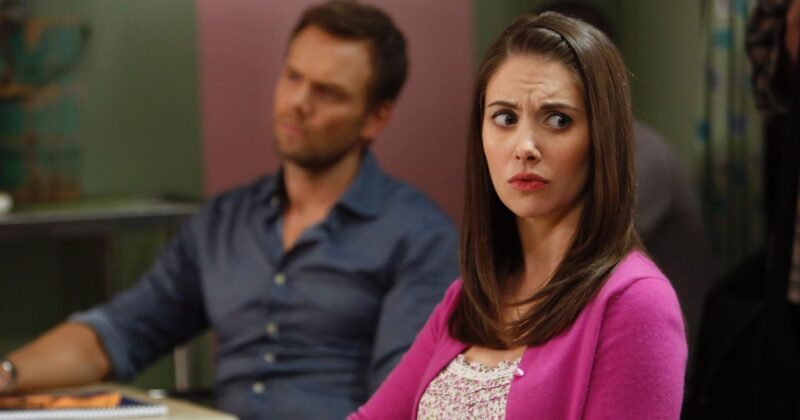
It takes a special show to earn a following like Community did, but behind-the-scenes drama cast a long shadow. After Dan Harmon’s departure as showrunner, season four was dubbed «the gas leak year» by fans and the cast alike—it was so tonally off that it felt like a fever dream. With Harmon back at the helm, season five brushed the entire fourth season aside, revealing it was all a gas-leak-induced hallucination. While fans got their show’s spirit back, this audacious retcon left an entire year of story effectively erased from continuity.
Family Guy: Life Without Brian… For a Moment
Family Guy has always courted controversy, but few stunts jarred audiences the way Brian’s death did. For two episodes, the beloved canine was swapped with a new family dog, and even the show’s opening was updated to reflect the change. Fans were vocal and relentless—so much so that Brian was promptly resurrected. The event blurred the line between daring storytelling and a calculated ratings grab, serving as a masterclass in how to troll a loyal audience without losing them for good.