Joe Bird Returns in Leviticus: More Than Just Horror
Joe Bird has quickly become a name to watch in the world of psychological horror. Following his breakout performance in the critically acclaimed supernatural feature ‘Talk to Me’, Bird steps into the spotlight once again in Leviticus, a film that’s capturing attention for more than its scares. Directed by Adrian Chiarella in his feature debut, Leviticus isn’t just a standard thriller. It carefully weaves together horror, romance, and a uniquely personal exploration of fear and identity.
Breaking the Mold: A Horror Story Rooted in Love and Identity
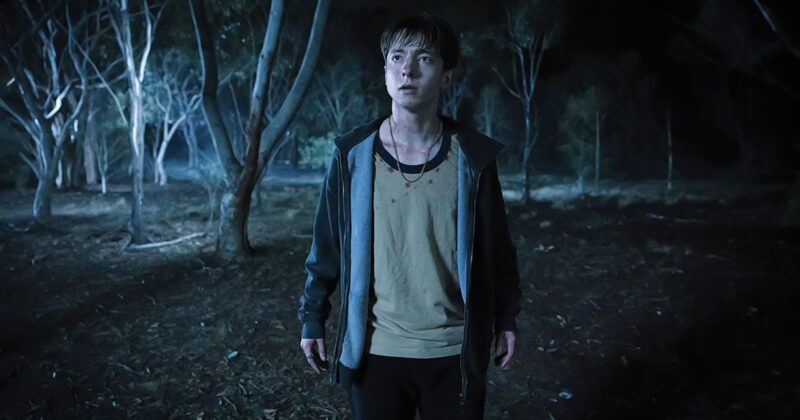
At its heart, Leviticus follows Naim, a teenager grappling with his identity in a conservative Christian community in Victoria, Australia. His burgeoning attraction to another local teen, Ryan, sparks a crisis not just personal, but supernatural. When their pastor tries to ‘cure’ the boys via a chilling ritual, it sets off a chain of events that unleashes a creature taking the form of whoever its victims most desire. Rather than a traditional slasher set-up, this entity—and the terror it brings—becomes a dark allegory for the societal pressures and dangers LGBTQ+ youths can face in real life.
Director Adrian Chiarella describes the movie as ‘really a love story’ rather than strictly a genre piece. As Naim and Ryan are forced to flee, navigating both supernatural threats and their internalized fears, the film examines what it means to be true to oneself in the face of overwhelming adversity. Chiarella’s approach encourages viewers to find a visceral connection with the themes, making the horror intensely personal and, for some, transformative.
Critical Praise and Standout Performances
Leviticus features an ensemble cast including Stacy Clausen, Nicholas Hope, Ewen Leslie, and Mia Wasikowska, connecting rising talents with acclaimed veterans. Since premiering at the world’s premier film festivals, the film has drawn major critical acclaim, maintaining a stunning 95% approval rating on leading platforms and selling out at special event screenings.
Joe Bird’s portrayal of Naim is particularly noteworthy. He credits Adrian Chiarella’s directorial style for helping him deliver such an authentic and layered performance, describing Chiarella as ‘an actor’s director’ who prioritizes rehearsal and deep artistic collaboration. Scenes were meticulously crafted through extensive pre-production work, with cast chemistry given rare attention for the genre.
Elevating Horror: Tackling Fear and Social Issues Head-On
Horror has always been a vehicle for raising tough questions, from Get Out to The Babadook. With Leviticus, Chiarella amplifies this tradition, using the supernatural not just for fright but to comment on real-world issues like homophobia. Both director and star believe this approach invites audiences to confront their own relationships with fear—whatever forms that may take—within a safe yet challenging cinematic experience.
The production itself was a feat of logistical and creative ambition. Shooting across dozens of locations around Melbourne, the team transformed disparate places into a cohesive, hauntingly immersive small town. Every house and space was handpicked to support the story’s mood and emotional themes, demanding remarkable dedication from the cast and crew.
Where Next For Joe Bird?
Though Bird is rapidly developing a reputation as a horror star, he’s enthusiastic to branch out—mentioning a growing interest in comedy. While his current characters are typically steeped in tension and dread, he’s in the early stages of a comedic thriller titled ‘Crash Out,’ showcasing the versatility he hopes to bring to future projects.
The creative team behind Leviticus is reshaping what audiences can expect from horror, offering not just scares but a genuine, deeply emotional journey that questions social norms and the role of fear in our lives. Their collaborative process, commitment to authenticity, and willingness to blend genres suggest a bright future—not only for the film itself but for the evolving landscape of cinematic storytelling.