Lost: Timeless Episodes That Outshine Today’s TV Landscape
Lost is a series remembered as much for its mysterious island mythology as for its deeply human characters. Though the show’s final season sparked heated debate, there’s no denying the emotional resonance and craft at the heart of its best episodes. These standout chapters don’t just compare favorably to today’s streaming hits—they often surpass them, both in narrative ingenuity and the art of character development.
Pilot: Where Everything Changes
Few shows in recent memory have premiered with the immediate jolt of Lost’s pilot. The catastrophic plane crash that opens the story is raw and immersive, immediately plunging viewers into chaos alongside the survivors. What’s remarkable is how this introduction balances pure adrenaline with character hints: Charlie’s tormented past as a rock star, Jack’s relentless need to save, Hurley’s warmth. Without sacrificing tension, the pilot lays the groundwork for deep fictional lives that continue to surprise as the show unfolds.
Deus Ex Machina: Unmasking Locke
The episode ‘Deus Ex Machina’ is a masterclass in weaving personal tragedy into the main narrative. John Locke, previously the show’s paragon of faith and capability, is revealed in flashbacks as vulnerable to manipulation and heartbreak. A devastating con by his own father redefines him for viewers and sets up the consequences that ripple through the rest of the series. Meanwhile, the episode’s lighter subplot—Jack crafting reading glasses for Sawyer—exemplifies the show’s irreplaceable balance of levity and high stakes.
Man Of Science, Man Of Faith: The Heart of Lost
With ‘Man Of Science, Man Of Faith’, Lost explores the philosophical conflict at its core. The long-anticipated hatch is finally opened, introducing Desmond, one of TV’s most beloved enigma figures. Flashbacks reveal Jack’s drive to be a savior, cementing his dynamic with Locke and laying the groundwork for the pair’s ongoing ideological battles. Desmond’s iconic line, ‘See you in another life, brother’, hints at the web of fate tying these characters together and sets the tone for a season defined by existential questions and personal stakes.
Orientation: Science, Faith, and the Button
Visually representing internal dilemmas is a daunting task for any show, but ‘Orientation’ pulls it off with the psychological weight of the infamous button in the hatch. Jack, the skeptic, and Locke, the believer, symbolize the collision of evidence and instinct. The episode introduces the DHARMA Initiative and suggests a larger narrative at play—one tethered to the incident that made pushing the button necessary. This is more than a sci-fi problem; it’s an existential crisis rendered captivating for viewers.
Everybody Hates Hugo: Hurley Shines
Hugo ‘Hurley’ Reyes is the show’s secret weapon, a linchpin for both comic relief and genuine compassion. ‘Everybody Hates Hugo’ demonstrates why Hurley is ultimately the moral center and spiritual candidate to protect the island’s secrets. Facing the daunting task of managing a scarce food supply, Hurley’s empathy leads him to a radical solution: sharing it freely. The result? Unity instead of division—a move that subtly underscores why he’s at the core of Lost’s mythology.
Live Together, Die Alone: The Season Two Finale
The finale, ‘Live Together, Die Alone’, sees Locke’s faith shaken after learning the button might be a social experiment. The shifting certainty propels him to let go of belief—only to find that some mysteries are all too real. This episode is a psychological case study, examining the human need for purpose, the allure of faith, and the dangers of surrendering one’s agency in pursuit of meaning. Desmond’s arc converges with Lockes in a moment of high drama, making for a finale rarely matched by today’s television spectacles.
Tricia Tanaka Is Dead: ‘Filler’ with Heart
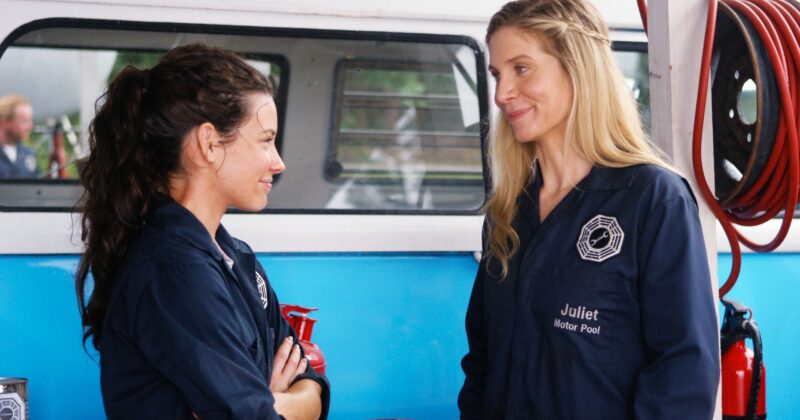
In any other drama, an episode like ‘Tricia Tanaka Is Dead’ might be written off as filler. But Lost uses these quieter moments to build friendships and community on the island. The simple joy of finding and fixing a Dharma van becomes a metaphor for hope in the face of relentless adversity. Characters like Jin, Hurley, and Sawyer are given space for growth, reminding audiences that survival is not just about staying alive—it’s about finding purpose and joy amid the ruins.
Lost’s landmark episodes serve as a reminder of what network television can achieve: sophisticated character arcs, ambitious world-building, and the kind of soul-stirring narrative that lingers long past the credits. At its best, Lost is not simply a puzzle box, but a mirror reflecting the deepest struggles of humanity.