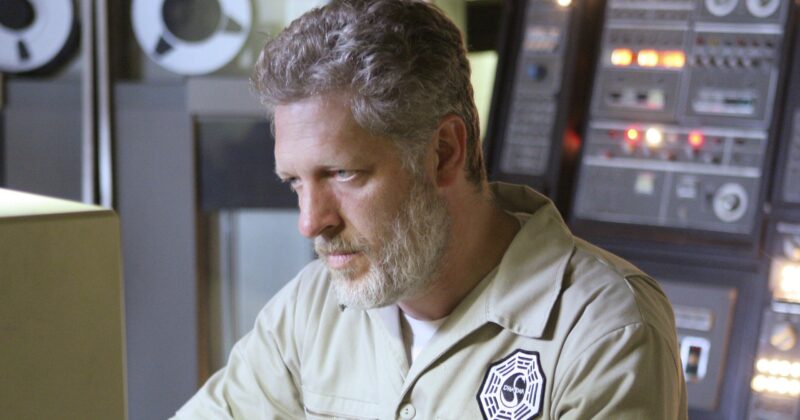
Lost: The Sci-Fi Phenomenon That Reshaped TV and Online Fandom Forever
Lost didn’t just come crashing onto our screens — it detonated a seismic shift in how we watch, discuss, and obsess over television. With its enigmatic island, sprawling cast, and endless mysteries, the series set new rules for storytelling, changed the nature of TV fandom, and established the creative playbook that today’s most talked-about series still follow.
From Episodic Comfort to Interconnected Mystery
Television dramas once thrived on neatly packaged, formulaic episodes, wrapping each mini-story with a bow before the next week’s installment. Lost broke that tradition with audacity. Every episode was only a fragment of a much larger, intricate puzzle, expecting viewers to remember details and tie together breadcrumbs over multiple seasons. Story arcs twisted unpredictably, character backstories unraveled through non-linear timelines, and plot threads were sometimes dropped only to re-emerge episodes later with resounding impact.
Where shows once asked for passive consumption, Lost demanded immersion and participation. Audiences were no longer just watchers but detectives, theorists, and passionate debaters. The series thrived on its ambiguity, sparking watercooler debates, forum threads, and fan theories that exploded across the rapidly growing internet landscape.
The Creative Vision: Multi-Season Master Planning
Long before the age of streaming giants and binge culture, Lost’s creators revolutionized how television was made. Damon Lindelof and Carlton Cuse refused to let network pressures dictate the lifespan of their story. Instead, they championed a multi-season plan, pushing for a predetermined ending shaped by creative necessity rather than perpetual renewal.
This artistic resolve empowered the show to maintain narrative tension and focus, making each season feel purposeful instead of diluted. It set a precedent for later series — from thought-provoking dramas like Stranger Things to high-concept epics like Game of Thrones — to map out their own grand arcs with a clear beginning, middle, and end.
Building a Culture of Speculation
Lost transformed passive viewing into a communal, almost competitive sport. From breakroom debates to sprawling online communities, the hunger for answers led to an explosion of podcasts, fan sites, and social media conversations. The anticipation for each new episode (and the endless theorizing during the weekly wait) made every reveal — and every misdirection — feel monumental.
This culture of real-time group speculation laid the foundation for future event series and binge-worthy franchises. The show’s integrated clues, hidden symbols, and alternative reality games (ARGs) welcomed fans into the narrative itself, blurring the lines between viewer and participant.
Lost and the Streaming Era: A Blueprint for Prestige TV
While Lost aired on traditional network television, its storytelling style anticipated the rise of streaming platforms. The series’ willingness to experiment with structure, its serialized nature, and its unspooling mysteries became a perfect template for on-demand, all-at-once consumption.
Streaming services like Netflix, Prime Video and Apple TV+ quickly realized the value of promoting creator-led visions and intricate narratives designed for marathon sessions. Today, hit shows across platforms retain the DNA of Lost in their cliffhangers, interconnected characters, and the sense that each episode is a vital piece of a greater puzzle.
The First Multimedia Franchise of Modern TV
Lost didn’t just spark discussion — it set a precedent for TV as a multimedia juggernaut. Just as the Marvel Cinematic Universe would later cross platforms and genres, Lost expanded its narrative universe through novels, video games, web-exclusive mini-episodes, and collectibles. The series proved that passionate fan engagement meant more than ratings; it meant world-building, merchandise, and endless narrative expansion beyond the main storyline.
Today, the template forged by Lost lives on in massive franchises and streaming originals. It’s easy to spot its influence in the way new series court their audiences — with puzzles, hidden clues, and layers of mystery that invite not just viewing, but active, joyful obsession.