Manga Endings That Shook the Fandom: 10 Finales That Sparked Outrage

Manga Endings So Controversial, They Transformed Entire Fandoms
No reader invests years in following a manga series expecting to be left frustrated or even betrayed by its conclusion. Yet, some finales have become infamous, rewriting how fans perceive the stories they once loved. Here, we explore ten manga endings that didn’t just disappoint—they redefined the discourse around their titles and left a lasting imprint on pop culture debate.
Nisekoi: A Predictable Path for Romcom Pioneers
Nisekoi began with a breath of fresh air in the romantic comedy genre but ultimately returned to well-worn harem tropes. After a meandering quest for the identity of the ‘promise girl,’ Raku settles with Chitoge in an ending telegraphed from the manga’s early days. While not outrageous in concept, the finale’s predictability underscored how the series squandered its initial potential, offering little beyond a safe, conventional closure that left fans questioning the investment of time and emotion.
Vector Ball: An Author’s Sudden Exit
Makoto Raiku’s Vector Ball never had a chance to reach its full stride. Facing narrative challenges, Raiku himself chose to cut the story short, resulting in a finale that felt jarringly out of place. Pacing and tonal inconsistencies plagued the series, and the abrupt ending only reinforced its messy trajectory from the outset. The abruptness left readers more confused than satisfied, though Raiku continues to engage his audience with the Zatch Bell! 2 project.
Fist of the North Star: The Legendary Drift
After a climactic showdown, Fist of the North Star drifted into episodic stories and an awkward love triangle. Kenshiro’s journey loses narrative focus, leading fans through thirty additional chapters with little character or plot advancement. Much of the fierce drama and gravitas that defined its opening arcs dissipates, leaving a legendary series with a finale often remembered with regret rather than reverence.
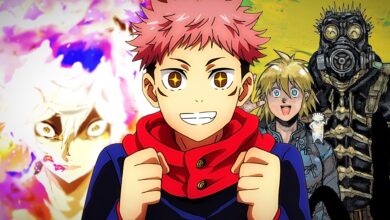
Jujutsu Kaisen: When a Finale Divides a Generation
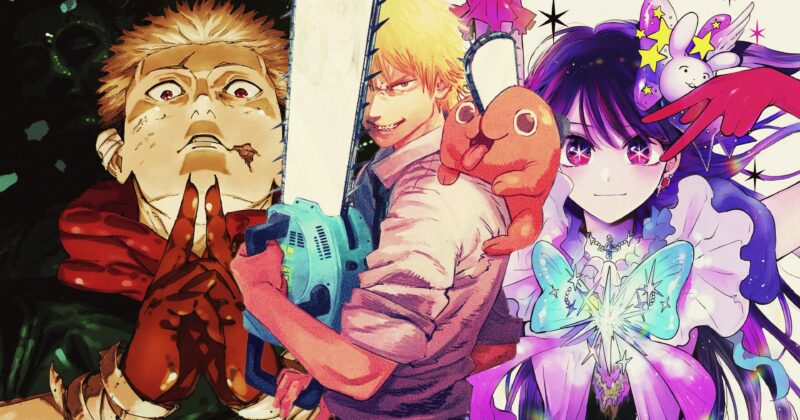
No modern shonen ending sparked as much debate as Jujutsu Kaisen. The final conflict against Sukuna and Kenjaku’s apocalyptic plans was epic in scope but criticized for its repetitive elements and underdeveloped resolutions for beloved characters. Protagonist Yuji’s continued struggle without Gojo is poignant, but the anticlimactic wrapping left the fanbase polarized. The sequel arc, Jujutsu Kaisen Modulo, attempted to address these concerns, yet the sting of disappointment for the original’s final pages persists.
Prison School: Absurdism Overdrive
Prison School reveled in absurd humor and wild scenarios, but its final chapter pushed this to an extreme that turned comedy into frustration. Instead of a satisfying closure or even a clever subversion, it resorted to contrivance: exposing Kiyoshi at the worst possible moment, undermining the entire series’ emotional stakes. For many, this undercut any redeeming quality the manga’s wild ride might have offered.
Tokyo Revengers: Time-Travel Fatigue
Tokyo Revengers introduced a fresh twist on delinquent drama with time travel, but it used its best material a little too late. The final act rushes to tie up threads, sending the protagonists back further than ever before and wrapping things up in a way that felt far too neat, given the chaos and emotional stakes precedent. What could’ve been a hard-hitting ending lands as a cliché, over-sanitized finale—both an overcorrection and a letdown for its passionate following.
Attack on Titan: Bittersweet and Brutal Closure
Few endings are debated as fiercely as Attack on Titan. With complex themes around genocide, freedom, and the cost of peace, the story concludes with an epic struggle and a death toll unprecedented in mainstream manga. Despite Eren’s defeat, the fallout continues, and the ambiguous, almost nihilistic epilogue left many readers divided—some respecting the integrity of its bleakness, others wishing for greater clarity or hope. Its impact remains so intense that it has altered expectations for all major manga endings in the modern era.
Chainsaw Man: Breaking Expectations
Tatsuki Fujimoto’s Chainsaw Man courted controversy from its inception, subverting shonen formulas with manic energy and a darkly comedic edge. As the series wrapped, Pochita’s revelation brought new meaning to Denji’s journey, but the final twists sparked debate about closure versus chaos. For some, it’s a bold creative risk; for others, it lacks the emotional payoff a series of its caliber deserves—demonstrating that boundary-pushing storytelling doesn’t always equate to universally satisfying endings.
The Enduring Power of Final Chapters
Great manga endings are rare and precious, but it’s often the controversial ones that define a series’ place in pop culture—not just for how they tie up loose ends, but for the conversations and creative reactions they continue to inspire long after publication.