Marshals Breaks Free From Yellowstone: How The Series Carves Its Own Path

Marshals: Shedding Yellowstone’s Shadow to Forge Its Own Legacy
Few television franchises can claim the cultural gravitas of Yellowstone, a saga that redefined modern Western drama for a new audience. With the launch of Marshals, the universe expands yet again, but this time it’s not about ranch politics or the wrangling of land barons. Instead, viewers are pulled into a stark, procedural world where legacy meets law enforcement, and the emotional baggage from the past is just as critical as the cases tackled each week.
Kayce Dutton’s Emotional Shift: From Grief to Resolve
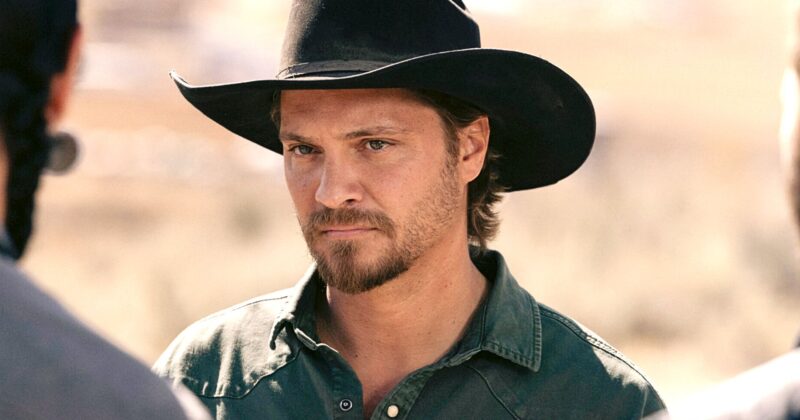
The emotional centerpiece of Marshals has always revolved around Kayce Dutton. Known for his stoic persona and deeply conflicted sense of duty, Kayce was burdened by Monica’s death—a narrative engine that drove not only his shift from ranching life to the U.S. Marshals, but also fueled his relentless approach to justice. The show skillfully avoided a conventional tribute, opting instead for subtle, poignant nods to Monica’s legacy week by week.
It’s not until ‘Out of the Shadows’—a standout episode both emotionally and narratively—that Marshals finally lets Kayce process his loss. Attending Monica’s memorial marks the end of an era, underlined by his symbolic act of letting go of her necklace. For longtime fans, this moment echoes through every past struggle depicted in Yellowstone, drawing a clear line between what was and what now is. Importantly, the episode manages to keep high stakes active, as Kayce and the Marshals must still secure abducted girls before he can attend the memorial, intertwining family and duty seamlessly.
A Procedural Born From Neo-Western Roots
If Yellowstone was about the delicate balance of power, land, and legacy, Marshals delivers a fresh perspective through its procedural structure—each episode presenting unique cases that push Kayce and his team beyond the traditional Dutton plotlines. While the Montana backdrop and the specter of the Dutton family linger, the storytelling now pivots decisively toward criminal investigations and personal dilemmas reflective of modern rural policing.
This subtle shift post-Monica’s memorial allows Marshals to step into its own. It’s a necessary evolution for the franchise, preventing it from becoming a mere echo of its predecessor. By decentralizing Monica’s death and focusing on new procedural challenges, Marshals is set to deepen its character roster and explore storylines that stand on their own merit rather than relying solely on Yellowstone’s mythology.
From Ranch to Reward: What’s Next for Marshals?
For new viewers and franchise devotees alike, one of the show’s undeniable strengths is its ability to balance Kayce’s cowboy heritage and Navy SEAL experience with the urgent reality of being a Marshal in Montana. This mix brings a visceral edge to the procedural genre—gunfights on horseback, psychological standoffs, and the constant moral tug-of-war between family, legacy, and justice.
Behind the scenes, Marshals benefits from a talented creative team guided by showrunner Spencer Hudnut and directors like Christopher Chulack and Greg Yaitanes. With a powerhouse cast, including Logan Marshall-Green and Luke Grimes reprising his role as Kayce, the show promises deep character exploration moving forward. Expect the series to continue referencing Yellowstone when relevant, ensuring the universe remains interconnected without ever being shackled by its predecessor’s narrative weight.
The move to procedural storytelling within a beloved neo-Western context not only refreshes the franchise, but also sets a new blueprint for future spin-offs. As Marshals enters the next stretch of its season, all eyes are on how it will further solidify its identity—combining thrilling casework with the slow-burn emotional arcs fans crave. And with Kayce finally starting to heal, the stage is set for bold storytelling and high-stakes drama as Marshals blazes its own trail.