Kayce Dutton Returns: Yellowstone’s Spirit Reignited With Marshals
In the wake of Yellowstone‘s legendary run, TV fans are once again invited back to Montana’s untamed landscapes, but this time, the horizon looks different. Marshals steps forward not as a mere continuation but as a striking reimagining of Taylor Sheridan’s neo-Western universe. The focus now? Kayce Dutton, embodied with rugged depth by Luke Grimes, charting a future that tests the boundaries of legacy, loyalty, and personal reinvention.
From Dutton Lineage to U.S. Marshals: Old Shadows, New Faces
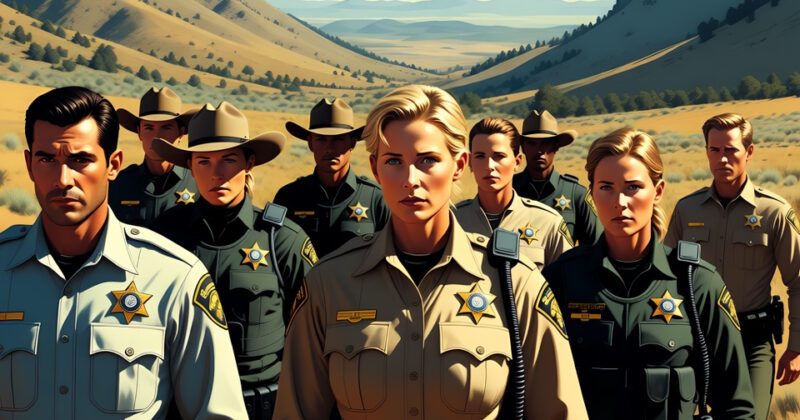
Where previous seasons of Yellowstone thrived on clan conflict and the raw tension of family feuds, Marshals spins the wheel: Kayce is no longer just the Dutton scion torn between his family’s legacy and his ties to the Broken Rock Reservation. Instead, he becomes the central figure in a federal law enforcement team, each member memorable in their own right. With new colleagues—played by Logan Marshall-Green, Tatanka Means, Ash Santos, and Arielle Kebbel—Marshals assembles a squad primed for a modern lawman’s journey, reshaping the landscape Sheridan first carved out. Expect to see characters like Pete Calvin, Miles Kittle, Andrea Cruz, and Belle Skinner deliver layers of complexity and intrigue, trading ranch politics for criminal pursuit and moral ambiguity reminiscent of the genre’s best police procedurals.
Montana’s Duality: Heritage and Evolution in the Marshals Era
Kayce’s saga is inherently a negotiation—between the spiritual echoes of his father, John Dutton III, and the harsh realities of post-ranch survival. By anchoring Kayce in East Camp, the series capitalizes on familiar haunts while offering fertile ground for new alliances. The presence of Thomas Rainwater and Mo injects nods to Yellowstone’s past, yet Marshals strikes out on its own, expanding the lore by showing that Montana isn’t just Dutton country. For fans of interconnected TV franchises, it’s a fresh example of universe-building: past plotlines matter, but new character perspectives offer fertile ground for breakaway storytelling.
Lore, Legacies and the Police Procedural Makeover
The show’s first three episodes make expert use of Yellowstone’s dense mythology—referencing unresolved threads from the original series, giving devoted viewers long-awaited answers, and gently subverting expectations around legacy and inheritance. There’s no resting on reputation; the writing leans into high-stakes investigations and the ethical gray zone that makes the modern Western tick. Plot elements recall the atmosphere of True Detective and Justified, making Marshals accessible to a wider audience invested in serialized crime dramas as well as Western traditions.
Potential Beyond the Duttons: Expanding the Yellowstone Universe
Perhaps the most compelling sign of evolution is just how successfully Marshals elevates its ensemble. By giving each team member rich, suggestive backstories and weaving them into the high-tension stakes of rural law enforcement, the series avoids becoming a Kayce-only vehicle. Instead, Sheridan and Hednut’s approach allows the Yellowstone universe to outgrow its original family roots, much like how the Arrowverse or Star Trek franchise expanded beyond their first icons to become generational pop-culture ecosystems. The potential for further spin-offs and narrative branches grows, promising fans of the franchise a future that won’t rely exclusively on the old Dutton dynasty to keep things interesting.
A Bracing Start to a New TV Chapter
As streaming and network giants both clamor for franchises with lasting power, Marshals makes a strong case for franchise storytelling done right: blending old magic with bold creative risk, giving breathing room to both fan favorites and newcomers, and promising viewers many more miles to ride in this storied Montana landscape.