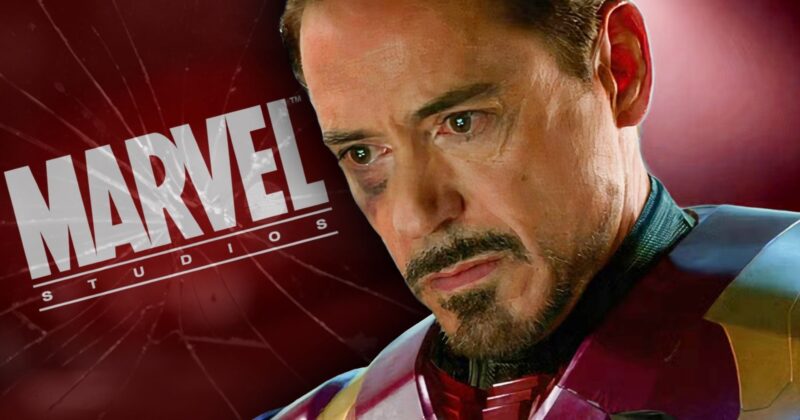
Marvel Turns the Spotlight on Its Own Cinematic Universe
In a bold and unprecedented move, Marvel Comics has released The Ultimates #21, a razor-sharp satire that directly critiques the very concepts popularized by the Marvel Cinematic Universe (MCU). At the heart of this issue is a biting dissection of what many believe to be the shortcomings of modern superhero media, particularly those shaped by the cultural weight and commercial power of the MCU.
The Defenders: A Satirical Mirror to Superhero Pop Culture
The story revolves around Luke Cage leading his revolutionary Avengers against a new iteration of the Defenders—a team intentionally crafted as a symbol of everything wrong with contemporary superhero narratives. These Defenders aren’t just heroes; they’re constructs, engineered for mass appeal with AI-generated backstories and iconic catchphrases, and purged of any real-world political complexity.
This choice isn’t subtle. The series lampoons the tropes that have come to define superhero blockbusters: the «illusion of change,» serialized quips, sanitized conflict, and, perhaps most provocatively, the increasing reliance on artificial intelligence to produce and market these worlds. These elements aren’t out of place in recent MCU entries, and their appearance here is a clear meta-commentary on the genre’s evolution.
When AI and Superheroes Collide
One of the comic’s most pointed criticisms is the use of AI to make its fabricated heroes seem more heroic—a not-so-veiled nod to real-world controversies. In recent years, the MCU has faced public scrutiny for using AI in production, notably with the much-discussed AI-generated opening credits for ‘Secret Invasion’ and speculation around future projects.
The implication is clear: as AI begins to script, edit, and even conceptualize scenes, superhero media risks losing the messy, human core that made its stories resonate. Instead, it becomes another arm of the status quo—a spectacle engineered for broad consumption rather than provocative storytelling.
Marvel Takes Aim at Itself—And the Industry
While it may seem the comic is leveling its criticisms at rival publishers or even DC’s perennial icons like Superman and Batman, the sharpest barbs are reserved for Marvel’s own properties. An in-universe producer brags of a portfolio stacked with live-action shows, summer blockbusters, and franchise-ready action figures. The result? Heroes whose primary aim is to preserve what’s safe and familiar, never truly challenging the world they inhabit or, by extension, the audience’s perception of it.
This is an echo of the biggest complaint levied against Marvel and DC’s cinematic universes: that no matter how high the stakes or world-ending the threat, these stories rarely allow for meaningful, lasting change. Instead, heroes reset to a comfortable norm, making the fight about protecting the status quo rather than upending it.
The Ultimates and the Illusion of Change
The Ultimates sets itself apart by refusing to play this game. The series unfolds in real time, forcing its characters—and by extension, its readers—to confront the consequences of their actions. The very structure of its narrative ensures there’s a planned end in sight, a rare move in a medium usually defined by perpetual cliffhangers and sprawling continuity.
This approach is more than just a storytelling gimmick. The Ultimate Universe has woven complex, often uncomfortable real-world issues into its arcs, from political corruption and private prison profiteering to the co-opting of legendary characters by extremist ideologies. The climax is a radical one: a world where supervillains have remade the Earth to resemble our own, where genuine change comes only through revolution.
Hollywood, the Department of Defense, and the Sanitization of Superheroes
The MCU’s global dominance means it answers not just to fans, but to stakeholders and, at times, government interests. Several films have received input—or approval requirements—from organizations like the U.S. Department of Defense. This collaboration can lead to subtle (or not-so-subtle) shifts in narrative, emphasizing bombastic battles against external threats while carefully avoiding any critique of institutional power.
As a result, characters like Captain America become icons of defense, rarely revolution. Even anti-establishment teams like the X-Men, whose entire ethos is bound in the fight for equality, are trapped in cycles where change is eternally just out of reach, particularly on the big screen.
Why The Ultimates Feels Urgent in Today’s Landscape
What makes The Ultimates #21 resonate is its willingness to ask uncomfortable questions about the superhero genre and its cultural impact. Popular media tends to reinforce existing narratives of good and evil, rarely interrogating what genuinely transformative heroism would look like. By casting the Defenders as propaganda tools and exposing the obsession with merchandising and franchise-building, the comic challenges both its creators and its audience to demand more from their heroes.
In a landscape saturated by blockbuster formulas and safe storytelling, The Ultimates offers something different: an invitation to imagine what happens when superheroes don’t just defend the world as it is, but envision the world as it could be.