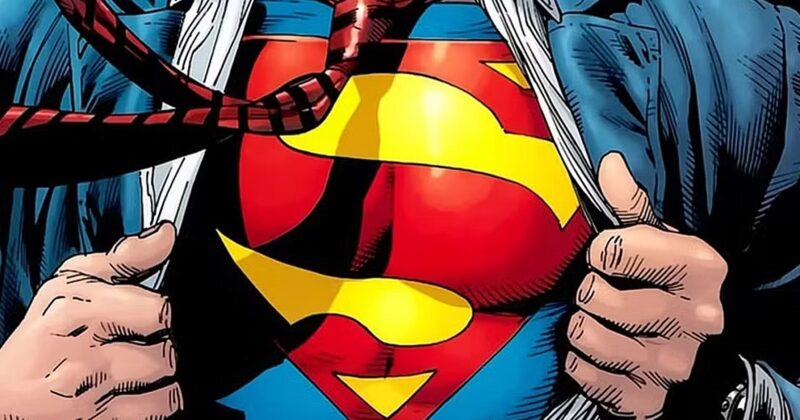
Marvel’s Ultimates Boldly Call Out Superman’s Famous Motto
Superman’s vow to fight for ‘truth, justice, and the American way’ is one of the most recognizable catchphrases in pop culture history. But in a stunning twist, Marvel’s The Ultimates delivers a blistering critique that reframes this motto as hollow and ambiguous—using it as a launching pad to satirize the broader superhero genre and its sometimes sanitized, apolitical storytelling.
The Ultimates Take Aim at Vague Heroism
Within the latest issue, The Ultimates #21, the Avengers—led by Luke Cage—face off against a new propaganda-fueled Defenders team. This manufactured group, orchestrated by the fascist ‘Maker’ regime, is designed to project a palatable form of heroism. As one executive points out, the team’s mantra to fight for ‘truth’ and ‘justice’ falls apart under scrutiny: these concepts are deemed ‘so vague and changeable as to be meaningless. They will stand for nothing and everything.’
This pointed jab isn’t just clever writing; it’s a direct rebuke of decades-long superhero marketing. The line echoes long-standing debates among fans and critics—can hero narratives remain impactful if their values are watered-down for maximum appeal? Marvel weaponizes this question, exposing the weaknesses in superhero branding that avoids real-world complexity.
Superhero Slogans and Modern Relevance
Superman’s original slogan dates back to his 1940s radio days, morphing over the decades. Most recently, DC has shifted to ‘truth, justice, and a better tomorrow,’ emphasizing a more global perspective. Even so, Marvel’s narrative in The Ultimates suggests that ‘truth’ and ‘justice’ are too plastic, too easily manipulated by those in power or by corporate media interests—even AI-driven propaganda.
There is, of course, a long tradition of superhero stories engaging with real-world politics. Early Superman tales saw the Man of Steel battling corrupt landlords and defending the downtrodden—a far cry from the smoother, less confrontational hero mainstream audiences often see today. The essence of that radical energy has sometimes been lost in adaptations, as the critique implies.
A Meta Commentary on Superhero Media
Marvel’s The Ultimates isn’t just targeting Superman—it takes aim at the entire genre, including Marvel’s own cinematic and comic universes, for drifting away from political grit. The series has a clear track record: it’s tackled government corruption, corporate exploitation, and even referenced real-world figures through allegories like the gold-obsessed Midas, a barely-veiled stand-in for contemporary controversial moguls. The creative team—led by Deniz Camp and artist Pere Pérez—pushes the boundaries by presenting the issue almost like a revolutionary guidebook, inviting readers to question what heroism means in our world.
Notably, this narrative approach resonates in a time when audiences are increasingly vocal about what they want superheroes to represent. While some cry out for escapism and spectacle, others demand that these stories stay grounded and unafraid to confront societal realities—something The Ultimates tackles head-on.
The Industry’s Creative Heavyweights Join the Debate
The industry is taking notice. Influential voices like Rob Liefeld have compared Deniz Camp’s incisive commentary to that of Alan Moore, an author famous for his critical deconstruction of the superhero mythos. Moore, in his own right, has expressed frustration with how superheroes—originally born as agents of social change—have become generic, their radical edges smoothed away for mass consumption. This parallel only amplifies the significance of the current critique levied by Marvel’s creators, suggesting a renewed era of introspection in comics.
The ongoing conversation around The Ultimates isn’t just about Superman, or even Marvel vs. DC. It’s a meta-analysis of the superhero genre, its responsibilities, and the power structures it reflects or challenges. In the hands of writers like Camp, even the most hallowed catchphrases aren’t safe from meaningful reevaluation—a move that’s sure to keep fans, critics, and creators debating the meaning of heroism for years to come.