Thora: The Ultimate Universe’s Provocative New Thor
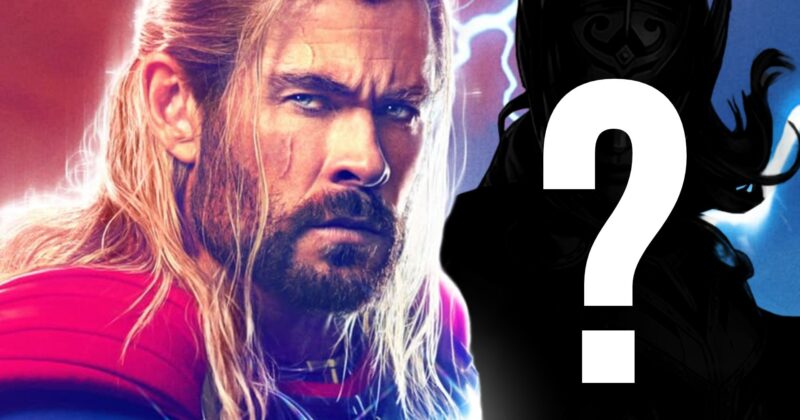
The Marvel multiverse is no stranger to reinvention, and now the Ultimate Universe is raising eyebrows yet again by introducing a brand-new, female Thor named Thora. Far from a conventional hero, Thora explodes onto the scene as a complex and polarizing figure whose power—and ideology—forces the Avengers into uncharted narrative territory.
A Thunder Goddess with a Dark Edge
First appearing in The Ultimates #21, crafted by the dynamic team of Deniz Camp, Pere Pérez, Federico Blee, and Travis Lanham, Thora is not the champion one might expect. Unlike Jane Foster’s beloved turn as Thor in Marvel canon, Thora enters as a fierce enforcer for the Ultimate Defenders, a corporate-backed squad designed as the regime’s propaganda tool—think of them as an anti-Avengers with all the spectacle and little of the heart.
Thora’s origin is deliberately manufactured: while her public persona touts a gritty rags-to-riches story, beneath the surface lies a devotion to an extremist ideology. Marvel leans into real-world parallels here, with Thora’s hammer—lacking the ‘worthy’ enchantment of the original—looming as a symbol manipulated by supremacist motives. Her powers are impressive enough: superhuman strength, storm-calling lightning, and endurance that rivals Odin’s best. But it’s all shadowed by her allegiance to Loki, granted her abilities as part of a warped Asgardian royalty serving the Maker’s regime.
The Defenders: Propaganda Made Flesh
The Ultimate Defenders are no ordinary superteam. Alongside Thora, the roster features beings like a Hulk empowered by the Immortal Weapons and a mutant schooled by Emma Frost—all engineered, group-tested, and crafted to serve the elite’s agenda. The visual aesthetic—blue jumpsuits, heavy piercings, and defiant attitude—perfectly mirrors their role as modern myth twisted for authoritarian spectacle.
Mythology Meets Modernity: Pop Culture and Dangerous Symbols
The symbolism wrapped around Thora’s hammer is no accident. Marvel uses this saga as a searing commentary on how ancient mythologies, including Norse iconography, have been co-opted by hate groups in the real world. The comics dig into this fearlessly, much as they do in their parallel series The Mortal Thor, where Thor himself fights to reclaim his legend from a violent gang abusing Nordic symbols. It’s a pop culture warning and a reminder: even in a world of capes and cosmic storms, real social issues are never far away.
Superhero Storytelling Reimagined: The Avengers vs. Defenders
Marvel fans are treated to an audacious, allegorical showdown: the radical, up-to-date heroes led by Luke Cage squaring off against the Ultimate Defenders. The confrontation is more than muscle; it’s a battle of values, with Luke Cage shattering Thora’s vicious philosophy as literally as he does her skull. When Cage claims Thora’s hammer, it becomes a powerful statement—what superheroism should mean at its most heroic versus its most corruptible.
The creative team doesn’t shy away from meta-commentary, even taking aim at classic tropes like Superman’s famous «truth, justice, and the American Way»—questioning not just whose truth or justice, but who gets to define them. Thora’s arc and her ties to a new Red Skull (here, a Bucky Barnes tragically reshaped into a white supremacist figurehead) empower Marvel’s boldest storytelling, connecting contemporary anxieties with superhero lore.
A Relentless New Era for Thor and the Avengers
Thora’s entrance and immediate downfall mark a violent, symbolic turn in the ongoing saga of the Ultimates. Her defeat by Luke Cage is more than narrative justice—it’s a celebration of how the best comics can challenge, inspire, and even provoke uncomfortable questions about power and responsibility. For fans hungry for stories that blend modern relevance, moral complexity, and pop culture savvy, this new chapter in the Marvel mythos delivers on every front.