MASH Episodes That Haven’t Aged Well: Examining the Show’s Problematic Moments
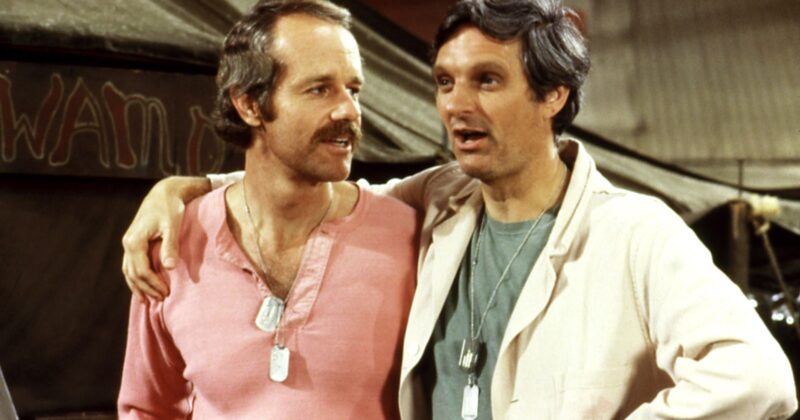
Few television series have left as indelible a mark on pop culture as MASH, the groundbreaking dramedy that captured American audiences with its unique blend of humor and heartbreak set against the backdrop of the Korean War. Featuring a stellar ensemble cast including Alan Alda, Mike Farrell, Loretta Swit, and Gary Burghoff, the show broke new ground by tackling serious themes alongside its comedic moments. However, as with many products of its time, some episodes reveal attitudes and storytelling choices that don’t hold up under the scrutiny of modern sensibilities.
Originally premiering in the early 1970s, MASH was revolutionary for television – deftly balancing anti-war commentary with humanizing the daily struggles of its characters. But the era’s social context often crept into episodes in ways that now feel tone-deaf or offensive. These instances offer a fascinating window into how cultural norms evolve and how even beloved series must be revisited with a critical eye.
When Humor Missed the Mark
One of the earliest glaring examples comes from the first season episode titled Germ Warfare. This plot involves a desperate search for a rare blood type to help a wounded Korean prisoner-of-war, leading the surgeons to steal blood from the irascible Frank Burns while he sleeps. While the scenario might have aimed for comedic mischief, it borders on unethical and irresponsible behavior, and the way Frank’s character is treated lacks the nuance the series would later master. More troublingly, this episode marks the exit of the character Oliver Harmon Jones, whose nickname was a racial slur for Native Americans, a reminder of the insensitivity prevalent in past TV portrayals.
Similarly, the episode Edwina illustrates dated gender dynamics. It centers around a “clumsy” woman struggling to find love, with the male protagonists awkwardly forced into courting her through a lottery draw. The humor derives largely from Edwina’s supposed unattractiveness and social awkwardness, despite the actress Arlene Golonka being undeniably attractive. The story reinforces harmful stereotypes about women and leaves the character’s arc without meaningful growth, reflecting the sexism still pervasive in early 70s sitcom writing.
Flawed Characters and Storylines
Character flaws that were once shrugged off become more problematic with hindsight. For instance, the episode Henry in Love reveals Henry Blake’s inappropriate romantic pursuit of a much younger American nurse while having a family back home. This plot, while perhaps intended to add complexity to his character, instead highlights a disturbing double standard and lacks the critical lens that modern storytelling would apply to such a scenario.
Then there’s the episode named Hawkeye from Season 4, which uniquely features only Alan Alda’s character. The plot follows him recovering from an accident while staying with a Korean family, presenting an opportunity for cross-cultural empathy. Unfortunately, the episode devolves into long-winded monologues with little meaningful interaction, missing a chance to explore the wartime experience from multiple perspectives. Instead, it veers into self-indulgent territory that may alienate viewers who don’t resonate with Hawkeye’s often self-centered worldview.
Problematic Power Dynamics and Emotional Struggles
Fallen Idol, a Season 6 episode, exposes the pitfalls of hero worship within the camp. Hawkeye’s mistreatment of Radar after a traumatic injury—culminating in harsh berating—undermines his role as a mentor and beloved leader. While the reconciliation is heartfelt, Radar’s decision to stop idolizing Hawkeye signals a profound loss of innocence. This episode challenges the previously spotless image of Hawkeye, but it also makes watching his character more complex, less endearing, and at times difficult to justify.
In Season 8’s Lend a Hand, the return of Dr. Borrelli (played by Alan Alda’s real-life father Robert Alda) brings inconsistencies to the fore. The earlier portrayal of Borrelli as a drunken liability who couldn’t perform surgery clashes with his warm welcome in this episode, which ignores prior character development and events. The tension between Borrelli and Hawkeye devolves into bickering and feels forced, highlighting how procedural continuity was sometimes sacrificed for episodic convenience on the show.
Reflecting on MASH Through a Contemporary Lens
Watching MASH today requires an understanding of its groundbreaking achievements alongside a recognition of its shortcomings. As a television landmark, it presented an unprecedented mix of comedy and wartime reality but didn’t always avoid the pitfalls of stereotypes, outdated social norms, and uneven character development. Episodes like the ones mentioned reveal moments when storytelling choices clash with evolving social values, offering modern audiences both critical insight and a reminder of how far television—and society—has progressed.