The Winds of Change: Warner Bros. and Paramount Skydance Reshape Middle-Earth’s Future
The entertainment landscape is shifting. With Warner Bros. Discovery now part of Paramount Skydance, franchise lovers are keenly watching for ripple effects on iconic universes. For fans of The Lord of the Rings, recent statements from Warner Bros. Games have triggered a surge of speculation and hope — a signal that Middle-earth may soon return in the form of a sprawling, open-world RPG.
Reviving Classic Franchises: The Promise from Within
Warner Bros. Games has pledged to revisit its blockbuster sagas, promising a revival of legendary intellectual properties. As developers look back at the studios’ rich catalog, Middle-earth stands out in the public eye. The momentum behind this fantasy titan, alongside successes such as Batman: Arkham and Hogwarts Legacy, makes a new Lord of the Rings project all but inevitable for the community.
The Unshakeable Demand: What Fans Are Asking For
Expectations could not be higher. After years of rumors and last year’s leaks indicating new activity at WB Games, the official hints have electrified the fanbase. Many remember the impact of Middle-earth: Shadow of Mordor and Shadow of War, where the innovative Nemesis System rewrote the book on enemy encounters, turning even minor adversaries into memorable rivals. With WB Games holding exclusive rights to this technology through 2036, speculation is rife that its return will play a central role in Middle-earth’s next big adventure.
Some longtime players, like Yisan, hope for another direct Shadow of Mordor sequel, but with key developers like Monolith Productions no longer in the picture, the scope may be broader. Others, inspired by genre-defining games such as Elden Ring, dream even bigger: a vast, interconnected Middle-earth where players define their legacy among elves, men, dwarves, and orcs.
What Could a Modern Lord of the Rings RPG Look Like?
Imagine a title leveraging the scale of FromSoftware’s most ambitious open-worlds, but grounded in Tolkien’s intricate lore. Such a game could offer:
- Player freedom: Roam from the Shire’s rolling hills to the dark towers of Mordor.
- Branching storylines: Interact with figures like Aragorn, Galadriel, and Saruman, impacting the fate of Middle-earth through choices big and small.
- Dynamic Nemesis System: Personalized rivalries that adapt as you shape your journey, echoing efforts in Shadow of Mordor but on a far grander scale.
- Cooperative and competitive multiplayer: Forge alliances or clash with others across iconic locations and custom story arcs.
Technological advances present new possibilities for RPGs rooted in classic literature, from reactive world-building to seamless multiplayer experiences. WB Games’ resources and rights position them uniquely to take Tolkien’s legacy into digital adulthood.
The Legacy Continues: Why Middle-Earth Endures
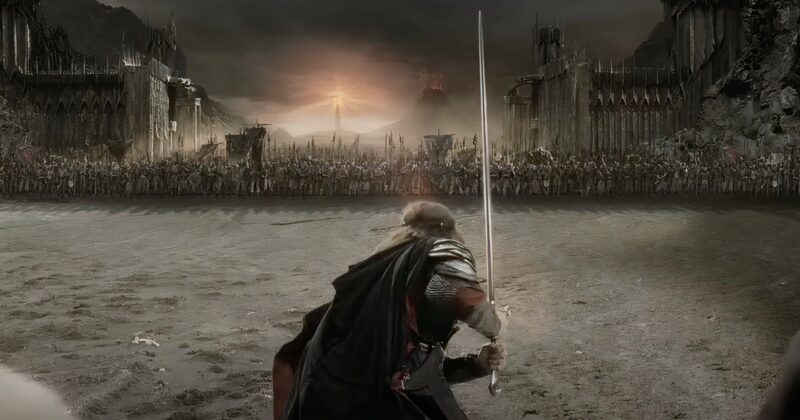
The world first discovered Tolkien’s cinematic universe in The Lord of the Rings (1978). Since then, the mythos has expanded to beloved trilogies and prequels, with a pantheon of stars—Elijah Wood, Ian McKellen, Viggo Mortensen, Liv Tyler, Cate Blanchett, Orlando Bloom, Andy Serkis, and more—bringing hobbits, elves, and men to life. The lines between film, television, and games have blurred, making Middle-earth an ideal candidate for revitalization in the interactive age.
With a renewed commitment from one of the industry’s biggest publishers and the energy of a hungry fan community, all eyes are on what comes next for The Lord of the Rings in the digital realm. As new details of the WB-Paramount alliance continue to emerge, players and lore-keepers alike have reason to believe that Middle-earth’s greatest adventure might be just around the corner.