The Strange Brilliance of Midnight Mass
When talking about modern horror series that have left a mark on streaming culture, it’s impossible to ignore Midnight Mass. Helmed by Mike Flanagan, the creative mind also behind The Haunting of Hill House and The Fall of the House of Usher, this series occupies a unique place in the pantheon of emotionally resonant, sophisticated genre TV. While plenty of Netflix originals have come and gone, Midnight Mass stands as a rare creation—intimate, challenging, and built around meditative storytelling rather than traditional jumps and spectacle.
Why Midnight Mass Still Feels Relevant
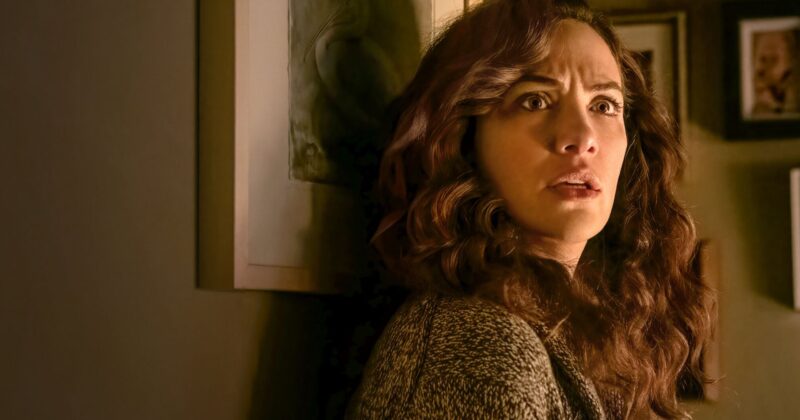
Most horror series go for intensity and speed, but Midnight Mass is a different beast entirely. The show is methodically paced, favoring philosophical dialogues that unravel at a natural rhythm. Zach Gilford’s Riley Flynn returns to the isolated Crockett Island, haunted by guilt and existential dread, only to encounter the unsettling Father Paul Hill—portrayed masterfully by Hamish Linklater. Their interactions are more like sparring matches of theology and doubt, with Katie Siegel’s Erin Greene bringing a deeply moving layer of grief and resilience into the narrative.
Instead of being weighed down by aging pop culture references or trends, Midnight Mass has only sharpened with time. Its slow-burn approach, once unconventional, now feels refreshing in an environment where most series compete for immediate engagement. Every monologue and silence serves a purpose, allowing questions of faith, addiction, mortality, and fanaticism to surface organically. The transformation effects are delicately executed; the violence, when it erupts, is brutal and meaningful—culminating in episodes like ‘Book VI: Acts of the Apostles,’ where the series’ restraint gives way to chaos in devastating fashion.
A Perfect Storm Behind the Scenes
What makes Midnight Mass even more fascinating is how it came to exist. In a recent interview, Mike Flanagan candidly reflected on why this series feels so unrepeatable. According to him, it was a product of a rare alignment—an intersection between creative freedom and managerial upheaval at Netflix. The show was greenlit by one regime, and by the time production wrapped, those executives had moved on. This shift left Flanagan and his team in a creative bubble, insulated from external pressures and able to complete their vision without compromise.
Flanagan has said, ‘I don’t think the show would be made today, anywhere.’ This isn’t just self-effacement—it’s a commentary on the industry’s evolving priorities. In a streaming world increasingly dictated by data, hooks, and algorithm-friendly content, a slow-paced, dialogue-driven meditation on faith and fanaticism doesn’t easily fit. The existential horror of Midnight Mass—with its focus on long, searching sermons and tough questions with no clear answers—was a hard sell even in its own time. The path it took to the screen was more accident than design, making its artistic integrity all the more precious.
Tackling Themes Few Dare To Touch
What sets Midnight Mass apart from generic horror is the layered handling of its core themes. Fanaticism is depicted as the true monster, while the supernatural mythology serves as a vehicle for exploring the dangers of blind faith, the search for redemption, and communal grief. Samantha Sloyan’s Bev Keane channels zealotry in a way rarely witnessed on TV—a performance that is as unnerving as it is essential to the show’s lasting impact.
This is a series that rewards repeat viewing. The nuances in theological debates, the way trauma ripples through the insular community, and the heartbreak of personal loss grow deeper with each episode. As viewers return to Crockett Island, they discover new subtleties that enrich the overall experience, reinforcing Midnight Mass as a modern classic.
What Comes After Midnight Mass?
While Mike Flanagan’s collaboration with Netflix produced some of the platform’s most acclaimed horror originals, he’s since signed an exclusive deal with Amazon Studios. This new chapter means future horror fans will find his next innovations elsewhere. Still, Midnight Mass feels like the end of an era—a project so specific to the moment and the conditions that allowed its creation, it’s nearly impossible to envision anything quite like it happening again on today’s streaming landscape.
From a technical perspective, Midnight Mass stands as a lesson in trust and restraint: let the scenes linger, respect the audience’s intelligence, and let difficult questions remain unresolved. For those seeking analysis on horror, faith, and the possibilities of genre storytelling, revisiting this show offers a masterclass in narrative ambition and spiritual unease that stands above the noise of streaming trends.