Christian Petzold Returns with a Poetic Meditation on Identity
Miroirs No. 3 marks another captivating collaboration between Christian Petzold and the magnetic Paula Beer, whose enigmatic presence anchors a narrative shimmering with longing and subtle transformation. From the film’s opening sequence, viewers are drawn into the introspective world of Laura (Paula Beer), a university music student whose soul seems perpetually out of place. Standing alone over a bustling highway, Laura’s intentions are as mysterious as her past — the camera lingers, asking questions the script never quite answers.
The Stranger at the Heart of the Family
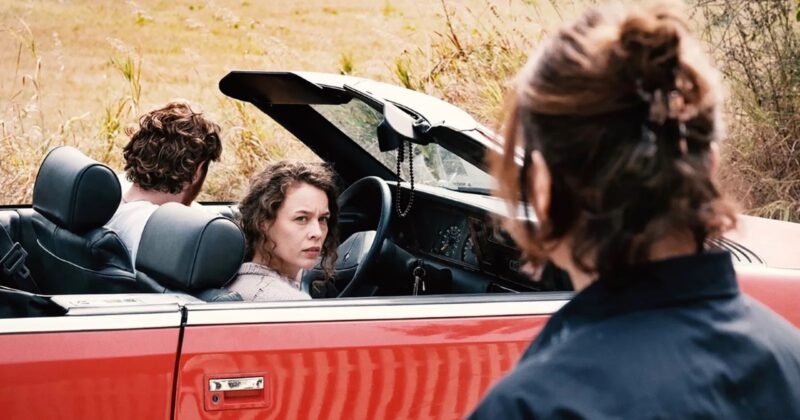
When Laura’s road trip with her boyfriend Jakob (Philip Froissant) takes a fatal turn, the film pivots into a study of chance, loss, and the uncanny arrival of strangers. Jakob dies in a car crash while Laura, almost miraculously, escapes unharmed. Taken in by Betty (Barbara Auer)—a cultivated, melancholic figure living in the countryside—Laura is enveloped by an atmosphere heavy with nostalgia and unspoken history. Their dynamic is marked by an unplaceable kinship; in a fleeting moment, Betty addresses Laura as ‘Yelena’ before hastily correcting herself, inviting the audience to ponder the roles we play in each other’s lives.
Laura’s unexpected integration into Betty’s home serves as a catalyst for change. As she settles into languid days filled with homemade pastries and the slow comforts of rural life, the fabric of the household shifts. The family—Betty and her husband Richard (Matthias Brandt), along with their son Max (Enno Trebs)—finds itself slowly invigorated by Laura’s presence. Petzold’s deft direction shows these transformations not through dramatic confrontations, but through small acts: a broken piano, a malfunctioning dishwasher, and everyday objects that—like the characters themselves—are waiting to be repaired or repurposed.
The Power of the Unspeakable
Miroirs No. 3 thrives on suggestion and atmosphere, channeling the filmmaker’s fascination with the strange intimacy shared between strangers. The narrative unfolds almost like a modern fable, using the house as a symbolic heart. Betty and Richard’s muted grief and Max’s initial roughness are gradually eroded by Laura’s quiet routines and attentive gestures—a process captured in luminous, bucolic frames that elevate the simple beauty of daily rituals.
This is storytelling that rewards patience and sensitivity. Petzold allows deep emotions to simmer just beneath the surface, using glances, silences, and the delicate tuning of instruments, both literal and figurative. The specter of Yelena lingers—both as a personal loss for Betty and as a stand-in for all the roles we must unexpectedly fill for one another. Through Laura, the family rediscovers a sense of connection, art, and solace, all without falling into sentimental excess or melodrama.
Art, Connection, and the Power of Performance
In its final act, Miroirs No. 3 offers a quiet celebration of the healing potential of art and companionship. Petzold uses music as a key motif, echoing through the film as a bridge between characters and an invocation of memory and hope. The performances are understated and affecting—Paula Beer’s presence, in particular, embodies the film’s sense of quiet revolution, as she both observes and subtly alters the orbit of those around her.
For fans of European cinema, Petzold’s work has always been a touchstone for deeply human storytelling. Miroirs No. 3 stands out for its blend of lyrical realism and emotional nuance, traversing the borders of identity, desire, and the strange, unspeakable ties formed between those brought together by fate. Anchored by beautiful cinematography and resonant performances, this is a film that lingers long after its modest runtime has lapsed—a testament to the power of connection, even (or especially) among strangers.
Miroirs No. 3 is a must-watch for anyone seeking a fresh, evocative narrative in contemporary cinema. With its restrained approach and depth of feeling, Christian Petzold once again proves his skill in capturing the unpredictable poetry of life.