MobLand: The Hidden Evolution From a Ray Donovan Spinoff to Guy Ritchie’s Gritty UK Crime Epic

The Secret Prequel Origins of MobLand
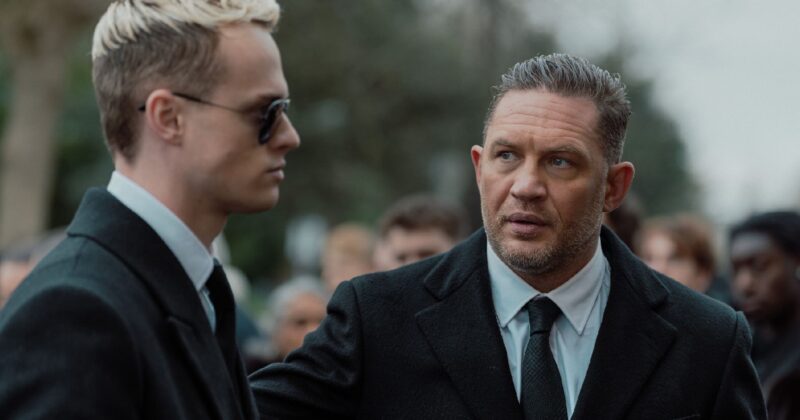
MobLand, the hit crime thriller starring Tom Hardy, is one of the most striking examples of how a TV project can radically transform during development. Initially imagined as a prequel to the acclaimed series Ray Donovan, MobLand was set to peel back the layers of the Donovan family’s criminal roots. Yet, with Guy Ritchie’s arrival as director and showrunner, the concept took a hard turn—resulting in a standalone British crime saga that retains the dark DNA of its original inspiration, while forging its own relentless path.
From Ray Donovan Prequel to Reinvented Crime Drama
Before MobLand took on its current criminal landscape, it began as The Donovans, an ambitious expansion of the Ray Donovan universe. The vision was clear: detail the origins of an earlier Donovan generation and unravel how the moral gray zones of the family were shaped long before they landed in the US. Writers had already laid the groundwork, plotting the rise of a lineage that would ultimately create the world inhabited by Liev Schreiber’s haunted fixer. The project generated major buzz among fans craving more of Ray’s brutal, layered underworld.
Everything changed when Guy Ritchie—legendary for his London crime tapestries and kinetic narrative style—entered the picture. Under his direction, the script went through extensive reengineering. Paramount+ supported shifting away from a strict franchise route, opening creative floodgates that untethered the show from its predecessor. The outcome: MobLand, firmly set in the UK, yet still echoing the brooding family tensions, code of silence, and ethical tightropes that Ray Donovan fans devour.
Carrying the Spirit of Ray Donovan Into a New Realm
For those who followed every episode of Ray Donovan, the fingerprints are unmistakable. MobLand’s protagonist, Tom Hardy’s Harry Da Souza, channels the same hypnotic mix of problem-solving intensity and personal torment that made Ray Donovan unforgettable. The fixer—a figure who does for crime families what elite troubleshooters do for Hollywood’s rich and famous—remains at the show’s core.
Yet, MobLand diverges with its uniquely British flavor and Guy Ritchie’s penchant for layered criminal hierarchies, kinetic editing, and pitch-black humor. Elements like simmering family drama, shifting loyalties, and the brutal realities of criminal life are handled with a distinctly UK sensibility. As power struggles erupt across London’s concrete jungle, themes like loyalty versus survival and the psychological cost of violence provide MobLand with both emotional depth and narrative propulsion.
High-Stakes Performances & Creative Lineage
Guy Ritchie’s influence is everywhere—lean, sharp dialogue, unpredictable plot twists, and a gallery of memorable underworld players. Tom Hardy’s performance as Harry Da Souza sets a new standard for TV anti-heroes. His portrayal captures that rare blend of volatility and introspection, giving MobLand both star power and dramatic heft.
Audience expectations were high, with early scripts already feeding off the aura of Ray Donovan. Even after the pivot, much of the creative DNA—morally ambiguous protagonists, gritty realism, and stories where family can be both salvation and damnation—remained front and center.
MobLand’s Place in the Streaming Era
MobLand arrives at a time when serialized crime sagas continue to dominate television and streaming. Yet, where other hit series have spawned sprawling multi-show universes, MobLand opts for a more refined approach: honoring its predecessor’s legacy, while refusing to be boxed in by existing canon. That move has allowed the show to take risks—delving into the intricacies of organized crime in the UK, exploring shifting criminal alliances, and keeping viewers guessing about every character’s fate.
Whether you’re a longtime fan of crime dramas or looking for a character-driven series with genuine narrative punch, MobLand is both a nod to the past and a bold step forward for its genre. It’s what happens when top-tier talent, both behind and in front of the camera, aren’t afraid to rewrite the rules mid-development—delivering something fiercely original, yet deeply familiar to discerning viewers.