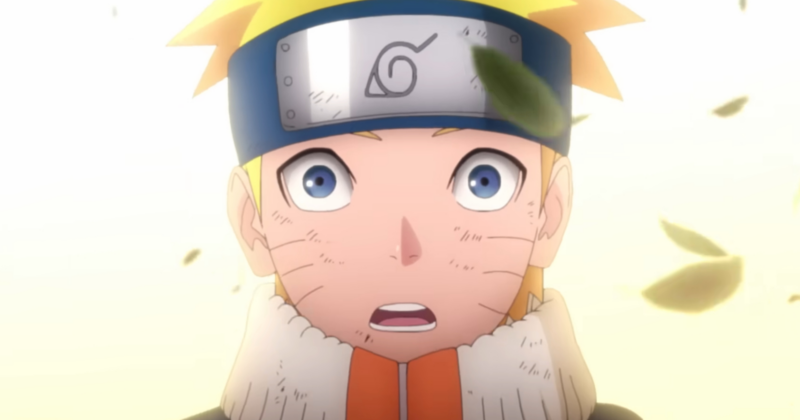
Naruto Live-Action: Major Script Milestone Signals Real Progress for the Beloved Manga’s Hollywood Dream
Naruto’s Leap to Live-Action: The Script Is Complete
The prospect of Naruto finally making its live-action debut has electrified fans and skeptics alike. Ever since Lionsgate announced its intention to adapt Masashi Kishimoto’s iconic franchise for the big screen, curiosity and anxiety have been in a tug-of-war. Now, the adaptation has reached its most significant milestone yet: screenwriter and showrunner Tasha Huo has completed the film’s script, signaling that the dream of seeing Naruto Uzumaki and his companions in Hollywood form is one step closer to reality.
Writing Naruto for a New Medium: Huo’s Thoughtful Adaptation
Translating the wild, vibrant spirit of Naruto from manga and anime into a live-action film is no small feat. The original story brims with high-energy battles, zany humor, emotional bonds, and an internal logic that, in the world of animation, just works. Huo—whose credentials include helming The Mighty Nein series on Amazon Prime Video and writing for Tomb Raider: The Legend of Lara Croft—acknowledges the unique challenge: making the outlandish believable.
‘For Naruto, it was to ground it, to make it feel real and believable in the world of a live-action movie. When you watch or read it, it’s so bonkers. It’s so good, but it is so bonkers,’ Huo explained in a recent interview. Adapting the village of Konoha, chakra-fueled ninjutsu, and the emotional arcs of Naruto, Sasuke, and Sakura for live action requires not just technical expertise but also a profound respect for the original material’s spirit. Huo notes that audience expectations differ dramatically when seeing real actors perform scenes that, in animation, rely on stylization and suspension of disbelief. ‘The rules you just sort of kind of take for granted because of the medium you’re watching it in, but once you translate it to real people saying real lines and needing to convey real plot … that was the challenge but also the joy of it because they’re just so fun.’
A Collaborative Effort with Proven Talent
Tasha Huo is not navigating these creative waters alone. She co-wrote the script with Destin Daniel Cretton, celebrated for his direction of Shang-Chi and the Legend of the Ten Rings. Cretton’s experience with martial arts choreography and visually dynamic storytelling positions him as a strategic fit for Naruto’s universe. Importantly, Masashi Kishimoto—the mind behind the original manga—personally approved Cretton’s hire, declaring him the ‘perfect director’ for the project.
Kishimoto’s support is more than symbolic; it ensures a direct line to the vision and tone that made Naruto a cultural phenomenon. His involvement adds gravitas and reassures loyalists that faithfulness to the source material remains a top priority. ‘After enjoying [Cretton’s] other films and understanding that his forte is in creating solid dramas about people, I became convinced that there is no other director for Naruto,’ Kishimoto said. He also commended Cretton’s openness to collaboration, which bodes well for the film’s development and fidelity.
Why This Update Matters for Anime and Manga Adaptations
The completion of the script represents more than a logistical step; it marks a new phase of concrete momentum for a project long mired in development uncertainties. It also sets Naruto apart from other ambitious adaptations that languish in ‘production hell.’ Notably, One Piece’s recent live-action series showed that with the right mix of respect, creativity, and meticulous planning, it is possible to win over longtime fans and newcomers. Naruto now follows that template, as Huo and Cretton demonstrate sensitivity to both the outlandish aspects of shonen storytelling and the grounded drama that mainstream audiences expect from a major film.
The Cultural and Industry Impact: Setting Expectations
Any live-action adaptation of a beloved anime or manga faces the dual scrutiny of international fandom and Hollywood’s expectations. But Naruto, with its legacy spanning decades, dozens of manga volumes, multiple hit anime series, and iconic feature films—from Naruto the Movie: Ninja Clash in the Land of Snow to Boruto: Naruto the Movie—stands as a monumental task. Tasha Huo’s commitment to authenticity, supported by Cretton’s dynamic directorial vision, sets a new bar for future adaptations.
While a long road remains before fans see Hidden Leaf Village on the big screen, knowing the script is finished—and that it was crafted under the careful eyes of creators who deeply respect Kishimoto’s legacy—offers a rare jolt of hope for anime adaptation skeptics. And as the entertainment industry continues to shift, updates like these remind us that major franchises from manga and anime can find new life, provided they’re handled with passion, expertise and a true love for the source.