The Art of Endings: How Naruto Set the Gold Standard
It’s not every day that a shonen manga delivers not just a satisfying ending, but several—each one deeply meaningful in its own right. Masashi Kishimoto’s Naruto did exactly that, outshining many of its contemporaries in both manga and anime when it comes to resolving epic narratives. While titles like My Hero Academia, Jujutsu Kaisen, and Chainsaw Man have sparked heated debates among their fandoms about their respective finales, few series have achieved the enduring acclaim Naruto commands for wrapping up its different storylines.
The Manga: Closure and Legacy
The Naruto manga brought its adventure to a close after more than a decade, using not one but two final chapters to give fans what they’d been waiting for. Chapter 699 delivered the emotional climax to the journey of Naruto and his rival, Sasuke. Through heart-wrenching battles and reconciliations, Kishimoto delivered a payoff that explored themes of loss, forgiveness, and the true meaning of strength, solidifying Naruto’s journey from outcast child to a hero who inspired not just his village but an entire generation of readers.
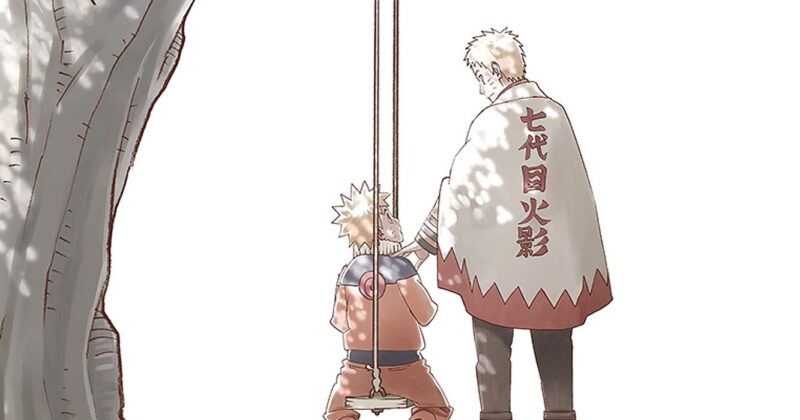
The true epilogue arrived in Chapter 700, leaping ahead to showcase Naruto as the Seventh Hokage and father. This glimpse into the future—complete with new faces like Boruto—offered a sense of hope and continuity, while subtly setting up the groundwork for what would become its own, unique saga. It’s a model that many shonen creators have tried to replicate: granting closure to beloved veterans, yet inviting a new era to step forward without feeling forced or redundant.
The Anime Difference: Filling In Emotional Gaps
Meanwhile, the anime adaptation, Naruto Shippuden, took its time bringing viewers to the end. Rather than simply mirroring the manga’s finale, the anime flexed its advantage: more time, more space, and more room to breathe. This meant weaving in additional arcs and stories based on short novels and newly authorized content, expanding the narrative with emotional side missions and slice-of-life moments.
One of the key standouts in the anime’s extended wrap-up is the focus on relationships that were left understated in the manga. The anime’s final storyline devoted ample time to Naruto and Hinata’s wedding, turning an event that could’ve been a mere footnote into a heartfelt celebration. These extra episodes provide insight into how other pivotal characters grew and found peace—whether through renewed friendships, familial ties, or the sense of recognition they worked so hard to earn.
Naruto’s Legacy: Underdogs, Rivals, and Redemption
What truly makes Naruto’s endings continue to age so well lies in how the series weaves universal themes with sharp character development. Naruto’s journey resonates with those who have ever felt overlooked or underestimated, while iconic rivalries—most notably with Sasuke Uchiha—tap into the dramatic tropes that define classic anime yet transcend them through nuance.
Every fan remembers the Rasengan, the Shadow Clone Jutsu, and the emotional weight of Naruto’s bond with Kurama, the Nine-Tailed Fox. Each relationship, from Naruto’s formative years with his teacher Kakashi Hatake to the tragedy of the Uchiha brothers, contributed to an ensemble cast whose growth was never neglected, making the story’s final movements all the more rewarding for longtime viewers.
Why Modern Anime Struggles With Endings
Series in the modern anime landscape often falter at their conclusions—either by rushing through emotional beats or leaving too many questions open. Naruto’s blueprint offers a lesson: respect the journey, honor the growth, and provide space for hope beyond ‘The End’. Its finals did not just tie up plotlines, but emotionally anchored its characters to their roots while signposting paths toward their futures. This is a rare feat and a major reason why the saga continues being revisited by new and old audiences alike.
Whether you experienced Naruto through its manga or anime, the series remains a benchmark for how to deliver an ending (or three) that echoes long after the curtain falls. From the bustling streets of the Hidden Leaf Village to the sacred bond of rivalries and friendships, each version of Naruto’s farewell proves that sometimes, the journey’s end can be every bit as legendary as the adventures that led there.