The Unexpected Sci-Fi Roots of Neon Genesis Evangelion
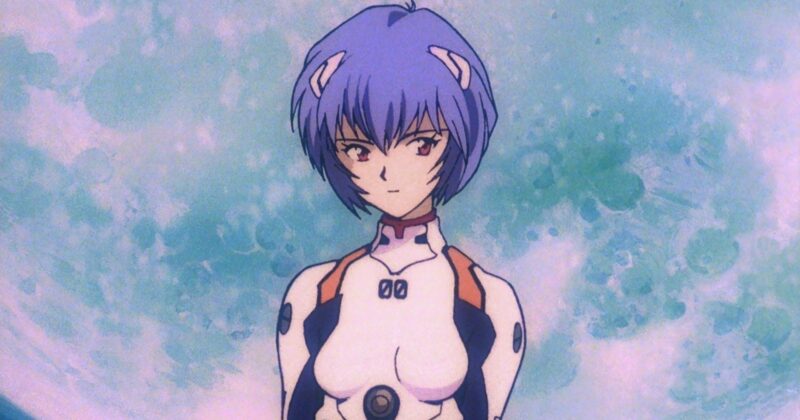
Neon Genesis Evangelion stands as one of the pillars of modern anime, with an influence that stretches across pop culture, digital media, and even Western cinema. For over three decades, it has generated spin-offs, rebuild films, and countless pieces of coveted merchandise, securing its position as a franchise that redefines itself while honoring its origin. But behind its unique aesthetic and iconic mechs lies a surprising web of inspiration—one that connects Evangelion with a lesser-remembered yet monumental figure in 1960s science fiction: Gerry Anderson.
Gerry Anderson: A Silent Architect of Futuristic Worlds
Gerry Anderson’s works, especially series like Thunderbirds and UFO, were landmarks in sci-fi television, pushing technology, practical effects, and model work into the mainstream long before digital animation was standard. While many compare Hideaki Anno’s influences to the customary mecha trailblazers such as Mobile Suit Gundam, Anno’s deep connection to classic British sci-fi is less commonly recognized yet equally profound. In fact, his earliest credits in writing, directing, and editing belong to ‘The Complete Thunderbirds’—a project based on Anderson’s pioneering series.
Evangelion’s Visual DNA: Between Tokyo-3 and Thunderbirds
Looking deeper into Evangelion’s universe, the fingerprints of Anderson’s work are unmistakable. The imposing architecture and retractable cityscapes of Tokyo-3, the technological complexity of Nerv headquarters, and even the sharp, authoritative uniform of Gendo Ikari echo direct visual cues from Thunderbirds and UFO. The anime’s now-iconic launch sequences draw heavily from the meticulously choreographed machine launches in Thunderbirds, where tension, countdowns, and mechanized spectacle drove the narrative as much as the characters themselves.
Hideaki Anno’s passion for these influences was made explicit in his later projects. For example, during the release of Shin Ultraman, sharp-eyed viewers spotted Thunderbirds model kits used as props, a playful meta-layer to his filmmaking aesthetic. In a move honoring Anderson’s enduring influence, Anno even remastered his work on Thunderbirds, cementing the deep respect he and his studio have for these genre-defining classics.
From Inspiration to Revolution: Evangelion’s Enduring Ripple Effect
By embracing these inspirations, Anno didn’t just create a homage—he sparked a revolution that reshaped narrative form and thematic depth in anime. The bold blend of psychological struggle, religious symbolism, and high-stakes mechanical action became the template for a new era of series and creatives. Animators and directors behind modern landmarks like Gurren Lagann and Code Geass openly reference Evangelion’s framework. But the influence extends well outside anime. In the realm of gaming, legends like Hideo Kojima and games such as Nier: Automata channel Evangelion’s narrative ambition and visual drama.
The legacy continues to evolve. With renowned creators like Yoko Taro—celebrated for shaping Nier’s philosophical storytelling—now lending their vision to new Evangelion projects, the franchise’s cycle of influence and reinvention shows no signs of slowing down. What started as an audacious blend of East and West, drawing unexpectedly from the marionette-driven worlds of Gerry Anderson, has become a defining thread in the fabric of modern speculative fiction.
Classic Sci-Fi’s Invisible Hand in Anime’s Golden Age
Evangelion’s journey demonstrates how creative markets thrive on international inspiration. The technical wizardry once crafted with wires and models in 1960s TV now finds echoes in digital art and animation, layering nostalgia and innovation. For enthusiasts exploring the DNA of their favorite franchises, recognizing the bridge between Gerry Anderson’s pioneering vision and Evangelion’s iconic status is more than trivia—it’s a testament to the interdisciplinary, time-spanning creativity that continues to drive the world’s best stories and digital experiences.