Netflix’s My Hero Academia: The Next Bold Move in Live-Action Superhero Deconstruction

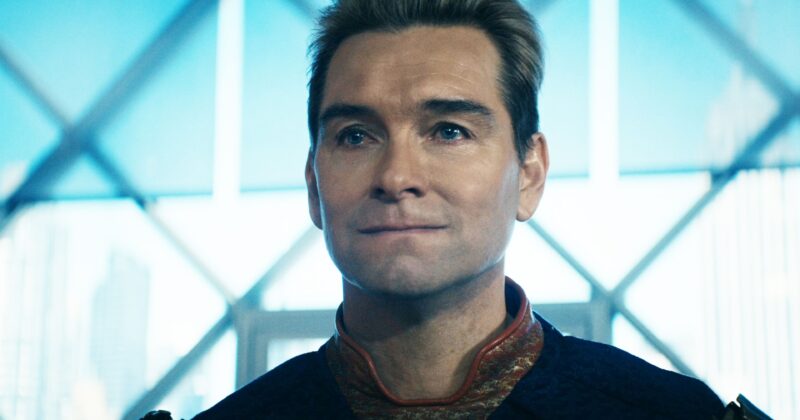
Netflix Looks to Rival ‘The Boys’ With a Bold New Superhero Entry
In a post-superhero fatigue landscape, every streaming giant is searching for the next franchise to redefine the genre. Netflix is set to introduce its own contender: a live-action adaptation of My Hero Academia, the best-selling Japanese saga that has drawn both fervor and critical acclaim around the globe. As The Boys disrupts conventional superhero storytelling with its raw cynicism and social satire, Netflix bets on a different kind of deconstruction—one deeply rooted in hope, heartfelt relationships, and spectacular action.
What Makes ‘The Boys’ an Unmatched Benchmark?
Few series have subverted the superhero archetype quite like The Boys. It’s not just the over-the-top violence or biting humor; it’s a relentless exploration of power, corruption, and the awkward reality of a world teeming with flawed heroes. The show’s meteoric rise is fueled by its refusal to idolize the super-powered and instead shines a spotlight on the darker, greedier side of heroism. It has carved out a unique niche in the streaming space, outranking traditional Marvel and DC offerings with its brash and unfiltered approach.
My Hero Academia: A Superhero Deconstruction With Heart
My Hero Academia enters similar territory but with a distinctly different tone. Rather than wallow in cynicism, it romanticizes the idea of heroism while refusing to ignore its socioeconomic underbelly. The anime and manga tackle themes like oversaturation of heroes, popularity contests, and the blurred line between villains and saviors. Quirk (superpower) rankings, merchandise deals, media image—these elements ground its world in a plausible reality, asking what would happen if hero culture dominated every facet of life.
But unlike The Boys, which often eschews epic superhero brawls for grittier drama, My Hero Academia embraces the thrill. Expect explosive set pieces, emotionally charged rivalries, and sequences that rival the best of Hollywood superhero cinema. This combination of satire and spectacle is where the Netflix film promises true differentiation.
Translating Anime’s Success Into a Live-Action Blockbuster
The challenge, and thrill, lies in adaptation. After years of missteps in live-action anime adaptations—where depth is sacrificed for brevity and nuance for bombast—Netflix knows the stakes are high. My Hero Academia is not just any anime; it’s a cultural titan, consistently topping critical and user rankings, including a coveted 100% score on Rotten Tomatoes and stellar numbers on IMDb.
Can Netflix capture the layered character arcs, emotional resonance, and relentless optimism that fans cherish? The source material boasts towering threats, underdog triumphs, and intricate mentor-student relationships. With the right cast and creative team, the film could deliver the emotional highs, ethical gray zones, and grand hero team-ups the franchise is known for.
Why a Series Could Outshine a Movie
One lingering question for fans and industry watchers: should My Hero Academia be a standalone feature, or does its dense, sprawling story demand a serialized approach? Netflix’s own track record has improved, particularly following successes like the live-action One Piece series, which handled source material with both fidelity and creativity in a way few believed possible.
One Piece exemplified how serialized storytelling can maintain the heart and humor of beloved anime while giving characters room to breathe and stories space to unfold. If adapted as a series, My Hero Academia could provide not just Netflix’s answer to The Boys, but a more nuanced, hopeful, and action-packed alternative—one where idealism punches just as hard as satire.
Why This Matters for Superhero Fans
For viewers tired of black-and-white morality and predictable finales, My Hero Academia promises complexity and spectacle in equal measure. Whether Netflix opts for a movie or pivots to an episodic format, its success depends on daring to challenge genre conventions without losing the core of what makes the saga beloved: empathy, camaraderie, and the enduring belief that even the unlikeliest of heroes can shape a better world.