Netflix’s One Piece: The Grand Scale of the Adaptation So Far
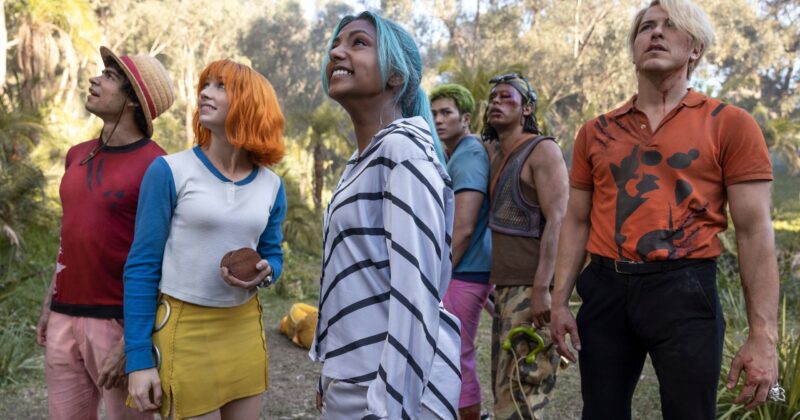
The live-action adaptation of One Piece on Netflix continues to spark intense discussion among anime and manga fans, especially now that the show has completed two seasons. The journey of Monkey D. Luffy and his Straw Hat crew—who are chasing dreams, legendary treasures, and unbreakable friendships—has captured audiences worldwide. But with the manga being one of the longest running sagas in history, just how much of Eiichiro Oda’s intricate world has the series managed to cover?
The Manga’s Immense Legacy
Since debuting in 1997, One Piece has grown into a global juggernaut, now boasting over 1,176 manga chapters. Luffy’s story isn’t just long—it’s legendary, filled with sprawling world-building, ever-evolving power systems, and iconic characters. The sheer magnitude of material available presents both an opportunity and a challenge for any adaptation.
What the Live-Action Has Covered: 154 Chapters and Counting
Across its 16 episodes to date, Netflix’s adaptation has adapted roughly 154 chapters from the manga—about 13% of the source material. This brings the story from the early East Blue adventures all the way through to the threshold of the Alabasta Saga, a clear milestone for fans familiar with the anime and manga. While this might sound like significant progress, context is everything: most of the manga—and some of its most complex arcs and characters—still await on the horizon, uncharted by live-action storytelling.
The Challenge of Adapting One Piece’s Entire Saga
Adapting the entirety of One Piece would require a TV commitment of unprecedented scale. To put it in perspective, only a tenth of the original tale has been brought to the screen. With each saga introducing new islands, foes, alliances, and mysteries, viewers are truly at the start of a vast journey. Consider that Alabasta is only the first significant saga past East Blue—the likes of Skypiea, Water 7, Enies Lobby, and the epic Marineford War remain untouched in live action, each demanding bigger budgets, heavier special effects, and more nuanced character work.
Key Storylines Adapted (So Far)
- Loguetown Arc: The infamous setting for Luffy’s brush with execution and the symbolic start of his journey on the Grand Line.
- The Baratie: Sanji’s recruitment, the introduction of iconic villain Don Krieg, and the unforgettable floating restaurant scenes.
- Arlong Park: Nami’s emotional backstory and Luffy’s declaration of war against tyranny—a highlight both in anime and live action.
- Drum Island and the Approach to Alabasta: New allies, medical miracles, and the looming threat of desert warfare just on the horizon.
Creative Choices and Adaptation Pacing
Netflix’s approach so far has been to blend faithful recreations of iconic moments with smart pacing adjustments, ensuring that the dense manga material works on screen without feeling rushed or incoherent. The cast, led by Iñaki Godoy’s energetic Luffy, has been praised for embodying the heart and humor of their animated counterparts.
What Lies Ahead?
With almost 90% of the manga untouched, future seasons have immense ground to cover. Longtime fans know the journey only grows more complex and emotional, introducing arcs like Skypiea’s sky-faring mystery, the tragic stakes of Water 7, and the world-shaking events of the Paramount War. For those new to the series, there’s an excitement in watching the Straw Hats evolve—new crewmates, evolving abilities, and ever-higher stakes await. Netflix’s One Piece is poised to become an endurance test for production, effects, and storytelling, reflecting the scope of one of pop culture’s greatest adventure sagas.
Trivia and Fandom Connection
This adaptation doesn’t just retell the story; it celebrates beloved elements of the franchise through interactive trivia, callbacks, and faithful references—from the Gum-Gum Fruit (Gomu Gomu no Mi) bestowing Luffy’s rubber powers, to the emotional weight of Shanks entrusting his straw hat. It’s a production that rewards deep fans and curious newcomers alike, making every detail—from Zoro’s three-sword style to Nami’s cartographic ambitions—worth revisiting.