The Cultural Debate Heating Up Around Netflix’s One Piece Live-Action Casting
The arrival of Netflix’s live-action adaptation of One Piece generated both waves of excitement and heated debate among fans of Eiichiro Oda’s iconic manga. While audiences have praised the show for its faithfulness to the source material’s spirit and intricate world-building, controversy has taken root around certain casting decisions, particularly as the show prepares to introduce new, pivotal characters in upcoming seasons.
Miss Wednesday/Nefertari Vivi: Bringing Alabasta to Life
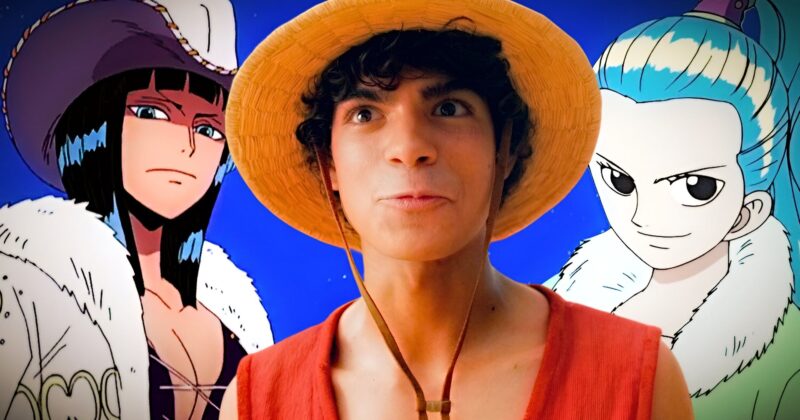
Among the most anticipated arrivals is Miss Wednesday, aka Nefertari Vivi—the princess whose journey with the Straw Hats propels the beloved Alabasta Saga. Vivi will be portrayed by Charithra Chandran, recognized for her role in Bridgerton. While Chandran’s casting brings undeniable talent, her Indian heritage has sparked online debates, with a subset of viewers insisting the depiction doesn’t visually match the character’s traditionally pale-skinned anime and manga counterpart.
But such criticism overlooks the intentionally multicultural inspiration behind the world of One Piece. Alabasta itself draws from a fusion of Middle Eastern and South Asian influences—reflected in clothing, architecture, and customs throughout its narrative arc. The assumption that Vivi must conform to a strictly Caucasian aesthetic misses both Oda’s vision and the series’ core themes of tolerance, diversity, and anti-racism. For many longtime fans, the negative backlash is less about staying true to the spirit of the story and more about a reluctance to embrace a broader, more inclusive portrayal of beloved characters.
Eiichiro Oda’s Hand in Every Casting Choice
Recent revelations from the series’ writers and production team have brought vital clarity: Eiichiro Oda personally approves the live-action castings for every named character, not just the central Straw Hats. Influential members of the creative team, such as writer Randy Troy, have confirmed that for season two’s casting surge—especially characters from Alabasta like Vivi—Oda reviewed candidates from a range of ethnic backgrounds before selecting Chandran. This direct involvement ensures that core values and the representative tapestry of the Grand Line remain intact, reinforcing the live-action adaptation’s commitment to authenticity.
Oda’s engagement is so comprehensive that he vets each notable face joining the project. This approach contrasts with several prior anime-to-live-action adaptations, where fan distrust often stemmed from a perceived disconnect between creators and production staff. With Oda at the helm, the adaptation is able to navigate cultural representation thoughtfully while respecting the original characterizations and universality that One Piece is known for.
The Future of Alabasta on Screen: Representation in Practice
As development continues on subsequent seasons, including the continuation of the Alabasta Saga, anticipation is high—not only for how the narrative will play out, but also for how other citizens of Alabasta will be portrayed. With Chandran (of Indian descent) cast as Vivi and Yonda Thomas (from South Africa) as Igaram, there’s a clear intent to reflect Alabasta’s blend of cultural roots—potentially paving the way for actors of Middle Eastern, North African, and South Asian backgrounds for roles such as Nefertari Cobra, Pell, Koza, and Chaka.
This direction encapsulates Oda’s approach—one of universality and inclusiveness. The Grand Line has always stood out for its patchwork of real-world inspirations, from the snowy peaks of Drum Island (echoing Canada), to the gothic vibes of Thriller Bark (inspired by Transylvania), and the sun-soaked lands of Dressrosa (drawing from Spain). The adaptation’s evident care in honoring each locale’s unique influences bodes well for both die-hard and new audiences alike.
Why Oda’s Influence Is a Quiet Revolution for Anime Adaptations
One Piece’s enduring appeal has always been about much more than epic battles or magical fruits—the heart of the story lies in its celebration of difference and the fearless pursuit of justice and equality. By ensuring that the characters who populate these stories are cast with intent and care, Oda guides the live-action series to be both entertaining and socially relevant in today’s landscape. The adaptation stands as a prime example of how collaboration between creator and production can elevate an anime classic for a new generation without losing its soul along the way.