Why Netflix’s One Piece Is the Benchmark for Live-Action Anime
When Netflix joined forces with Eiichiro Oda to adapt One Piece into live action, it wasn’t simply testing the waters—it was an audacious leap into a world that, until now, seemed impossible to fully realize outside of animation. For decades, Oda’s source material has defined the outer limits of world-building with over 1,170 manga chapters and an equally sprawling anime, making the live-action project a headline event for both new viewers and longtime fans.
The Art of Perfect Casting and Adaptation
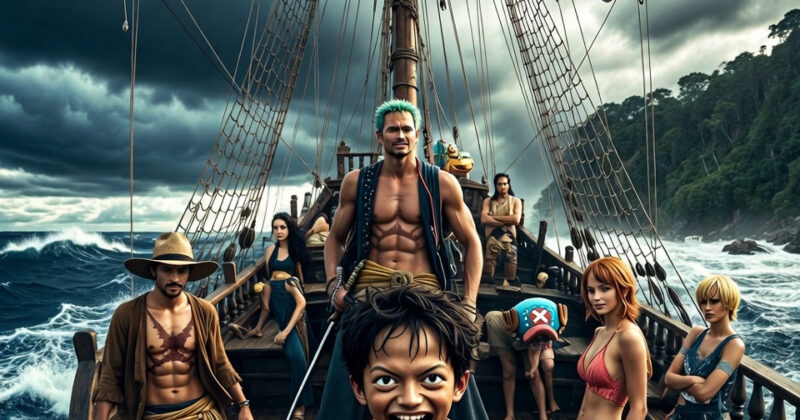
Right from the opening episode, Netflix’s adaptation carves its own identity. Rather than emulating the animated series, Iñaki Godoy as Monkey D. Luffy channels the character’s optimism, sincerity, and restless energy with grounded charm, delivering a natural performance that escapes the pitfalls of caricature. Mackenyu (Zoro), Emily Rudd (Nami), Jacob Romero Gibson (Usopp), and Taz Skylar (Sanji) each inhabit their roles with equal authenticity, forging a Straw Hat crew that feels both true to the page and instantly believable in the real world.
Crucially, the adaptation is careful with pacing. Season one neatly compresses the vast East Blue Saga, translating about 95 chapters into eight tight episodes. This structural approach preserves pivotal character moments and major story beats, ensuring the emotional epicenter of One Piece pulses through every scene. Instead of feeling rushed or fragmented, the live-action series amplifies the manga’s wild creativity while maintaining a cinematic polish rare in anime adaptations.
Oda’s Involvement: The True Game Changer
Where previous live-action anime attempts floundered, the active involvement of Eiichiro Oda marks a transformative development. By working side-by-side with Netflix creatives, Oda’s vision remains central, translating not just plot but the essence that turned One Piece into a cultural phenomenon. This creative blueprint could redefine how streaming giants tackle future adaptations of beloved Japanese properties, establishing a collaborative model that prioritizes narrative fidelity over marketing spectacle.
A Narrative Treasure Trove with No End in Sight
The scale of One Piece is its greatest asset—and Netflix’s greatest challenge. After just one season, the adaptation has only scratched the surface, covering less than a tenth of the material currently available. Fans can look forward to arcs like Alabasta, Skypiea, Water 7, Enies Lobby, Dressrosa, Whole Cake Island, and Wano, each rich with new characters, mythical settings, and world-shattering reveals that keep the story endlessly fresh and unpredictable.
With Oda’s manga not showing signs of slowing down, Netflix enjoys a luxury few adaptations share: a bottomless well of source material. In an industry where many shows catch up and sometimes overtake their inspiration, One Piece promises a steady stream of untapped adventures and emotional payoffs for years to come.
How Far Can the Live-Action Crew Sail?
Still, practical realities hover over this fantastic voyage. If each season adapts around 100 chapters, the series could require more than a decade of ongoing production to reach even the current manga endpoint—an unprecedented commitment in the world of TV. Challenges like actor turnover, escalating production costs, and evolving viewer habits present hurdles for a project of this scale.
But therein lies the saga’s magnetic pull: even a finite run feels momentous. Oda and Netflix are poised to select key narrative milestones—a powerful arc, an iconic battle, or a moment of deep revelation—at which the live-action journey could gracefully dock. Until then, the show’s craftsmanship, from its visual effects to its heartfelt performances and careful storytelling, sets a gold standard for what anime-to-live-action can achieve on the global stage.
For fans and newcomers alike, Netflix’s One Piece is not only a triumph by adaptation standards—it’s a vibrant proof that, with the right creative spirit, even the wildest stories can break free from animation and become must-watch, era-defining spectacle.