The Art of Adaptation: Netflix’s One Piece Embraces and Teases Its Dedicated Fanbase
Netflix’s live-action adaptation of One Piece has been one of the boldest undertakings in the streaming world, aiming to capture the spirit and scale of Eiichiro Oda’s legendary manga. When the first season sailed onto screens, most agreed that it was impressive in how it condensed the sprawling East Blue arc without succumbing to the pitfalls that usually plague anime adaptations. Yet, as with any beloved property, not everything made it through the adaptation filter unharmed — and One Piece fans are nothing if not attentive to detail.
That Loguetown Arc Controversy: Fans vs. Netflix
Amid the praise for its faithfulness, one sticking point sparked heated discussion: the apparent absence of the Loguetown arc, a crucial turning point in the manga. In the anime and manga, Loguetown is the city where Gol D. Roger, King of the Pirates, met his end and where many core Straw Hat moments crystallize. The omission was enough for many purists to cry foul, fueling a wave of online critique.
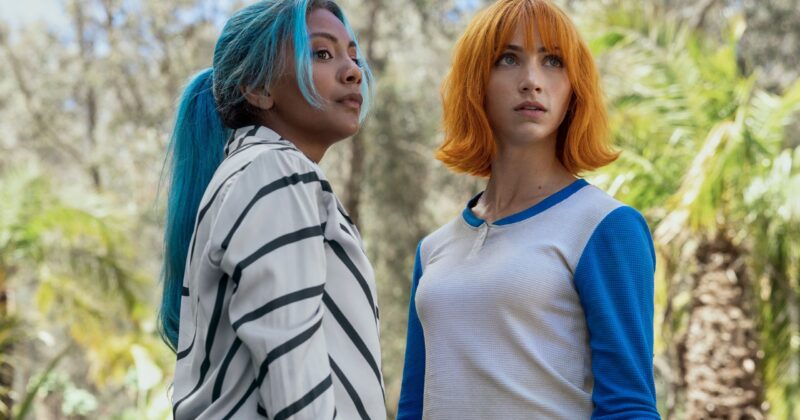
Instead of shying away from the backlash, the creative minds behind Season 2 made a clever choice: they wove a teasing, self-aware acknowledgment right into the new episodes. Viewers quickly noticed a subtle joke by Nami that directly pokes fun at those who had been so vocal about the Loguetown arc’s treatment in Season 1. It’s a moment of meta-humor that both validates and playfully ribs the audience, blurring the lines between adaptation and fandom interaction in a way seldom seen in big franchise adaptations.
Meta-Jokes and Adaptation Choices
It’s no secret that some changes from manga to screen are simply pragmatic. Live-action pacing demands are not the same as those of a weekly serialized manga, and Netflix’s One Piece is forced to streamline portions of Oda’s epic saga. However, the willingness to make internal commentary on these choices through the characters themselves — such as the Loguetown quip — signals a creative team keenly aware of what makes its viewers tick.
This playful approach continues as Season 2 navigates through the first half of the Arabasta saga, promising that even as favorites arcs are accelerated, no one behind the scenes is immune to self-reflection. Keen fans notice not just what’s adapted, but how it’s positioned within a broader context of pop culture and fandom communication. The show’s positive reviews underline that, even amid adaptation disputes, its pulse on the audience sentiment remains strong.
Straw Hat Highlights: Season 2’s Impressive Dive into Character Goals
Beyond meta-humor, the second season dives deeper into the dreams that drive each Straw Hat. Nami’s ambition to draw the world’s first complete map and Zoro’s unyielding quest to become the world’s strongest swordsman fuel countless pivotal scenes. Impressively, even these iconic manga-origin stories are laced with subtle updates and embellishments to fit modern audiences, making them accessible whether you’re a longtime fan or a newcomer.
Netflix’s casting, notably with Iñaki Godoy embodying Monkey D. Luffy, continues to win over fans. His infectious energy on-screen reverberates through every action sequence and emotional beat, a testament to how carefully the live-action show balances original intentions with modern reinterpretation.
Fandom, Critique, and Participatory Culture
The heightened interactivity between the adaptation and its audience is a hallmark of the current era of entertainment. True to One Piece tradition, Netflix’s creators have welcomed feedback — even when it’s critical — and ingeniously channeled it into their narrative, giving fans not just answers but a wink and a nod. The show’s responses to fan critique have, in turn, become an integral part of why it continues to thrive, foreshadowing similar approaches for future sagas as the Grand Line journey continues.
If the trajectory set by these first two seasons continues, the future of Netflix’s One Piece will not just be judged on its grand, pirate-filled set pieces, but on its reciprocally playful and deeply invested relationship with its passionate fan base.