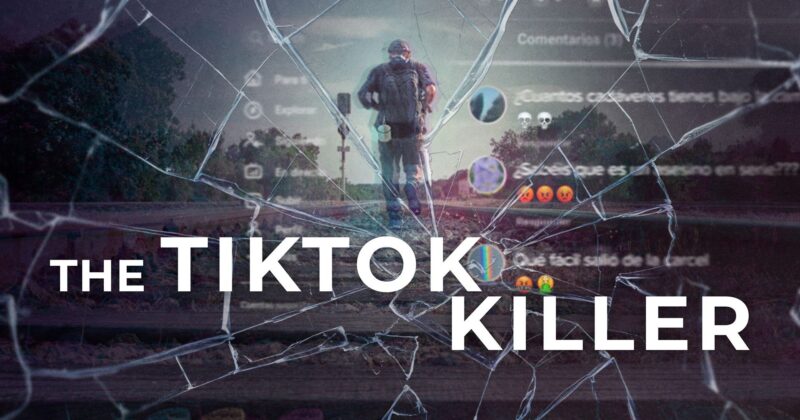
The TikTok Killer: Beyond the Hashtags — A Deep Dive Into Netflix’s Shocking Documentary
Netflix’s documentary The TikTok Killer injects chilling new energy into the true crime genre, unmasking the haunting story behind the murder of Esther Estepa and the disturbing double life of José Jurado Montilla. Melding TikTok videos, candid interviews, and real investigative material, this two-part series grips viewers with a blend of digital-age suspense and classic criminal intrigue.
The Double Life of José Jurado Montilla
Regarded as one of Spain’s most infamous figures, José Jurado Montilla—also known online as ‘El Titi’—simultaneously crafted a charming social media persona while evading the scars of a violent past. Released after nearly three decades in prison for multiple confirmed murders, Montilla re-entered society donning digital camouflage. Through his TikTok channel, he portrayed himself as a roving retiree, captivating an audience mostly unaware of his notoriety. Yet, subtle cracks in this facade occasionally surfaced, especially when old habits and unsettling charisma bled through the screen.
Social Media: The Web That Exposed Him
TikTok—so often a platform for harmless entertainment—became both Montilla’s stage and, ultimately, his downfall. His travel vlogs and candid clips, sprinkled with moments of genuine connection, hid dark intentions and inconsistencies. Astute viewers, including friends of Esther Estepa, noticed discrepancies in Montilla’s timeline and stories, which prompted deeper scrutiny from both amateur sleuths and authorities alike.
Family, Persistence, and Digital Footprints
When Estepa vanished, her family and friends refused to let bureaucracy stall their search. Her mother, undeterred by tepid responses from police, partnered with those closest to Esther to trace her steps. One friend meticulously followed Montilla’s TikTok content, compiling a digital dossier of suspicious behavior. Remarkably, Montilla even contacted Estepa’s mother directly, likely underestimating both her resilience and her cooperation with law enforcement.
The Facade of Concern: Montilla’s Deceptive Search
Attempting to maintain innocence, Montilla filmed himself searching locales he and Estepa had visited, ostensibly hunting for clues. However, as the investigation deepened, it became clear these efforts were performative. He had already been the last person to see her alive—a fact that, when coupled with digital evidence, shifted investigative focus squarely onto him.
Catching a Killer in a Connected World
Investigators faced hurdles early on: despite strong suspicions, direct evidence linking Montilla to Estepa’s murder remained elusive until police unlocked his personal device. Montilla’s phone—bursting with self-recorded footage and photographs—held not only highlights from his travels, but also damning images taken after Estepa’s death. These media files undermined Montilla’s story and strongly incriminated him, emphasizing how modern digital footprints can both empower and destroy in the era of smartphone documentation.
The Key Clue: Impersonation via Messaging
Desperation to maintain his charade extended beyond social media. In the week after Estepa’s disappearance, her mother received a series of uncharacteristic texts supposedly from Esther. Despite initial comfort, the messages sowed doubt—an intuition sharpened by Estepa’s sister, who detected inconsistencies in tone and content. It was subsequently revealed that Montilla posed as Esther in a calculated effort to mislead her loved ones. His lack of familiarity with her authentic voice ultimately betrayed him.
Old Crimes, New Scrutiny
Although The TikTok Killer focuses on Esther Estepa’s case, the documentary extends its lens to Montilla’s earlier connections to violent crimes. One especially resonant instance involved the murder of a college student named David, whose death bore unsettling similarities to Montilla’s previous offenses. Forensic breakthroughs in digital traces and physical evidence became critical as the investigation pressed into the present, unraveling a staggering chronicle of possible re-offenses by a man who had slipped through the cracks of both the prison system and the internet age.
This documentary is more than a recounting of grisly crimes; it’s a pointed reminder that every app, every profile, every video is a potential thread in a broader tapestry of our digital existence. The TikTok Killer proves that in the era of always-on connectivity, the truth can hide in plain sight—until technology and tenacity intersect to bring it to light.