Neuromancer on Apple TV: Cyberpunk’s Grand Return
Apple TV is about to launch what could become one of the most talked-about sci-fi shows in years. Based on William Gibson’s influential novel Neuromancer, this project stands out not just as an ambitious adaptation but as a spiritual successor to the visual and philosophical lineage set by The Matrix. For fans of dystopian technology, daring storylines, and ground-breaking genre TV, this isn’t just another series in the queue — it’s an event years in the making.
The DNA of Modern Cyberpunk
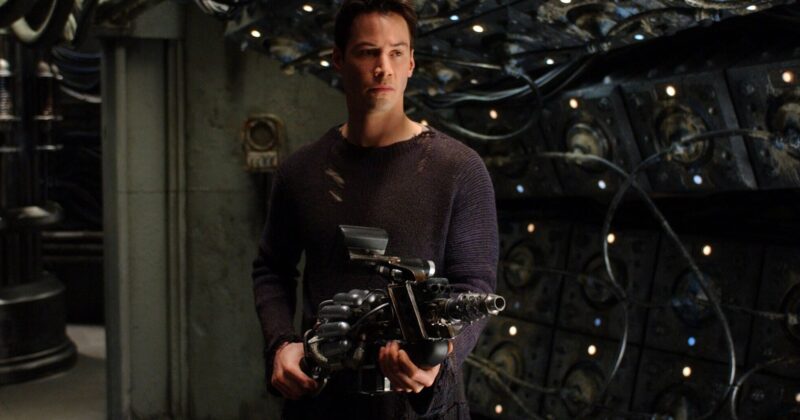
When Neuromancer was first published, it didn’t just help coin the term ‘cyberspace’ — it etched a blueprint that would profoundly shape technology in fiction. Its narrative, which follows hacker Case as he’s drawn into a high-tech heist orchestrated by a rogue AI and a war-damaged mercenary, practically predicted the future of the genre. If the plot sounds familiar, that’s because the themes, character archetypes, and world-building intricacies were direct inspiration for the Wachowski sisters in crafting The Matrix. From Case to Neo, and Molly to Trinity, fans will trace a clear line between Gibson’s vision and the film that changed sci-fi forever.
A Visual Challenge Once Thought Impossible
For decades, Neuromancer was one of those legendary ‘unfilmable’ novels, ranked alongside The Lord of the Rings and Dune. Visualizing the internet as a throbbing virtual dataspace was unthinkable in the era of blocky CGI and limited effects. Today, however, with Apple’s potent streaming platform and the sharp vision of creators like Graham Roland and J.D. Dillard, that technical barrier all but disappears. The challenge now is translating both the intricate visuals and narrative complexity in a way that feels fresh, relevant, and immersive.
Echoes in Our Era: Tech, AI, and Social Decay
If Neuromancer resonated in the computing boom of the 80s, its relevance now is chillingly immediate. The prediction of sprawling, immersive cyberspace and the uprising influence of artificial intelligence isn’t some distant dystopia — it’s the background noise of our daily lives. Topics such as ubiquitous AI, corporate dominion, and the erosion of personal freedom make the show perfect for sparking new debates and cultural discussions. Apple’s adaptation has the potential to feel eerily prescient, blurring lines between documentary and science fiction.
Catalyst for a Cyberpunk Renaissance?
Given global success stories like Severance, For All Mankind, and the grand-scale adaptation Foundation, Apple now occupies a crucial space for inventive sci-fi. If Neuromancer lands with the impact that fans hope for, we could see a wave of cyberpunk storytelling across streaming and cinema, echoing what The Matrix did for action sci-fi at the turn of the millennium. The show’s creative team has a proven record of balancing genre spectacle with smart, character-driven arcs — meaning there’s every reason to expect a series that honors Gibson’s gritty vision while pushing the limits of what TV can look and feel like.
Technical Mastery Meets Literary Legacy
Today’s VFX capabilities and audience appetite for complex, layered science fiction make the moment right for Neuromancer to finally be realized on screen. The buzz isn’t just nostalgia: this is a story whose exploration of VR, AI, and societal decay speaks to a world where those themes have jumped off the page and into our newsfeeds. The question isn’t just whether Neuromancer can live up to its reputation, but whether it can once again redefine how we view technology — in fiction and beyond.