Nintendo Switch 2 Pricing Overhaul: What Gamers Need to Know
Nintendo has unveiled a pivotal change in its pricing strategy for Switch 2 titles, marking a shift in how digital and physical games are marketed and consumed. For years, fans have seen parity between digital downloads and boxed cartridges, but as of May, digital exclusives published by Nintendo itself will consistently retail at a lower price point than their physical counterparts.
What’s Behind the Price Gap?
The move is officially attributed to the diverging costs of producing and distributing each format. Nintendo cartridges for Switch 2 have reportedly grown far more expensive to manufacture, a detail that fans had long speculated given the rising cost of proprietary storage media. That increase isn’t just technical trivia—a standard physical release now sits $10 over its digital equivalent for select titles. The first to demonstrate this shift is Yoshi and the Mysterious Book, offering digital pre-orders at $59.99 and physical editions at $69.99. This isn’t a bump up for physical—it’s a digital incentive: recent big titles like Donkey Kong Bananza and Kirby Air Riders debuted with a $70 MSRP regardless of format.
Nintendo clarifies that this pricing change reflects the current economics of game distribution. Unlike some third-party publishers who have resorted to using Game-Key cards (cards that simply unlock digital games but don’t actually contain the title on physical media), Nintendo stays committed to true game cartridges for first-party games—at least for now.
How Will This Affect Fans and the Industry?
The reaction among the Switch community is, understandably, mixed. Collectors and physical game enthusiasts may see this as a sign that the industry is nudging players toward an all-digital ecosystem, especially with the tantalizing prospect of saving $10 on each major new Nintendo release. The physical game crowd is passionate: owning a tangible cartridge, box art, and sometimes exclusive bonuses has always been part of the Nintendo charm.
However, for a growing segment that values convenience and instant access, the cheaper digital pricing could tip the scale. Storage considerations are less of a barrier with the Switch 2’s robust 256GB internal and MicroSD expansion and seamless eShop experience. Historically, Nintendo has prioritized traditional distribution, but the worldwide surge in digital adoption—driven by instant play, regular discounts, and a pandemic era that normalized remote content access—now visibly impacts its official pricing policy.
Third-party publishers are watching closely. If Nintendo’s direct approach proves successful, expect to see wider adoption across major franchises, especially as the cost of cartridge manufacturing stays elevated for next-gen hardware.
Switch 2: The Hardware Context
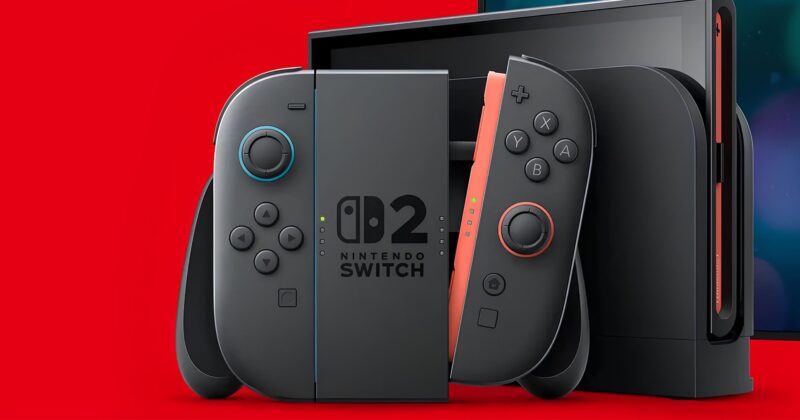
All this unfolds as the Switch 2 rides a fresh wave of momentum. With a proprietary OS, upgraded docked and handheld resolutions (4K and 1080p, respectively), and a renewed commitment to both physical and digital gaming ecosystems, Nintendo’s decisions on pricing will inevitably influence competitors and partner studios. Gamers should expect future exclusives to maintain a digital-physical price gap, barring any dramatic shift in production costs or a breakthrough in cartridge technology.
For those preparing to preorder or expand their Switch 2 library, keep an eye on Nintendo’s official channels. Major releases like Yoshi and the Mysterious Book are already available, exemplifying this new price structure and marking a turning point in how Nintendo values the collector’s shelf versus the convenience of digital delivery.