The Evolution of Nintendo’s Cinematic Universe
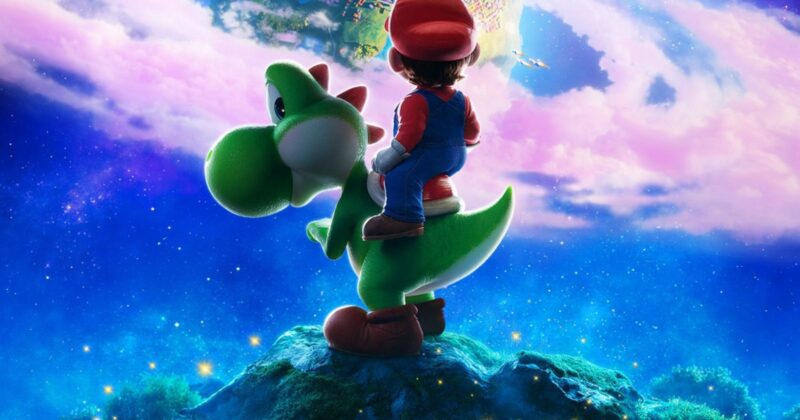
Nintendo’s leap into the world of animated movies isn’t just about nostalgia. With the release of Super Mario Galaxy, the gaming giant signaled a grander ambition than what any potential Super Smash Bros. film could deliver. Instead of merely aiming to create crossovers, Nintendo’s real play seems to be building a diverse, immersive universe that extends beyond the cinema.
Beyond the Box Office: A Multiversal Playground
The buzz leading up to the new Mario movie hit fever pitch as Nintendo confirmed the inclusion of beloved characters like Fox McCloud. The conversation quickly shifted: was this a teaser for a Smash Bros.-style crossover? In reality, the roster of cameos, from Pikmin to rare guest stars seen only in game crossovers like Mario + Rabbids and Mario & Sonic at the Olympic Games, points to a broader strategy. Nintendo is using its movies to recontextualize its vast library of IPs, introducing them to whole new audiences and setting the stage for multimedia expansion.
Nintendo as the Next Entertainment Titan
It may surprise some that Nintendo, a company older than the earliest Hollywood studios, is now following the playbook of giants like Disney. While iconic for its animation, Disney’s real value comes from diversified ventures—theme parks, merchandising, and interactive experiences. Nintendo has started charting a similar course, with Super Nintendo World parks in Florida, California, and Osaka. These destinations are not just amusement parks but powerful engines for brand loyalty and cross-promotion of games and movie franchises.
How Donkey Kong Became Nintendo’s Test Case
The Super Mario Bros. Movie was more than just a film—it was prime marketing for Nintendo’s other properties. Donkey Kong’s redesigned look in the movie wasn’t simply a character update, but a preview. With the arrival of major titles like Donkey Kong Bananza for the Switch and an HD remaster of Donkey Kong Country Returns, Nintendo demonstrated how cinematic exposure could rejuvenate legacy franchises. These film-driven spikes were reinforced with new Donkey Kong areas in their theme parks, showing the brand’s ability to extend its impact far beyond the theater.
Reviving Iconic Brands: Star Fox and Pikmin
Fox McCloud’s pivotal appearance in Super Mario Galaxy isn’t just movie fan service. It’s a tactical move to restore relevance and pave the way for new games and even park experiences for Star Fox. The method also applies to Pikmin, whose film appearances are strategic nods to future game and merchandise initiatives.
The True Potential of a Cross-Franchise Movie
The idea of a Super Smash Bros. movie is tantalizing, but not a current priority for Nintendo. Recent public statements from top creatives like Shigeru Miyamoto suggest a more nuanced approach: focusing on what makes each franchise distinct before forcing them together on the big screen. Given that the first Mario film generated over $1.3 billion globally, the bar for a crossover event gets even higher, and merely grouping lesser-known characters wouldn’t guarantee the same success.
Looking ahead, Nintendo is positioning itself as not just a game developer but as a cultural powerhouse on par with the entertainment industry’s biggest names. Every film, park, or new product launch is meticulously designed to support and amplify others, creating feedback loops of engagement and revenue across media, platforms, and generations.