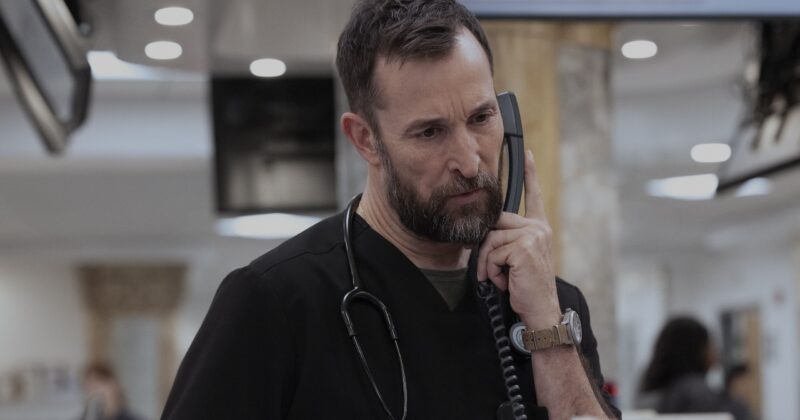
Noah Wyle Delivers a Masterclass in The Pitt’s Most Emotional Episode Yet

Noah Wyle’s Tour de Force: Dr. Robby Faces His Darkest Hour in The Pitt
Every so often, a television performance transcends expectations and sets a new standard—Noah Wyle’s portrayal of Dr. Robby in The Pitt has become just that benchmark for modern TV drama. In the latest penultimate episode, Wyle once again commands the screen not just as a brilliant actor, but as the emotional soul of the entire show, offering one of the most gut-wrenching depictions of mental health struggles seen in recent years.
Award-Winning Talent Meets the Series’ Emotional Apex
Noah Wyle is no stranger to critical acclaim, having previously swept the most prestigious awards—including the Golden Globe, Emmy, SAG, Critics Choice, and TCA for his work on The Pitt’s debut season. That first batch of episodes saw him carrying Dr. Robby through tragedy, post-traumatic rage, and profound personal loss. The bar set was almost unreachable—yet with this season’s fourteenth episode, Wyle doesn’t just meet it; he utterly surpasses it.
The Scene That Redefined The Pitt
The episode’s emotional core is a private, vulnerable conversation between Robby and his friend Duke (Jeff Kober). Unlike the heightened drama of the PittFest shooting from the previous season, here the stakes are achingly personal: Robby admits he no longer wants to live, revealing to Duke just how relentless his mental anguish has become. This isn’t about spectacle—it’s about the suffocating quiet of depression, the lies people tell to keep up a façade, and the rawness when that veneer finally cracks.
Noah Wyle’s genius lies in microexpressions, voice tension, subtle glances—drawing the viewer into Robby’s battle with himself. Through a symphony of pain and vulnerability, he gives depth to emotions rarely articulated on screen. Every note in his performance—from barely restrained tears to genuine fear—makes Robby’s struggle harrowingly real, inviting viewers to witness not just a character, but an honest human ordeal.
Layered, Complex Portrayals of Male Depression
Contemporary television often addresses themes of depression, but The Pitt shatters conventions with its intricate, textured take on male mental health. Robby’s depression is not one-dimensional sadness; it’s expressed in anger, withdrawal, and difficult behavior—sometimes lashing out at colleagues like Dr. Mohan, sometimes sabotaging relationships. The brilliance of the writing, combined with Wyle’s empathic performance, means the audience can’t simply dislike Robby for his changes. It’s impossible to forget who he was: a mentor, a friend, a witty source of light in the show’s first season. That memory clashes painfully with who he’s become, amplifying the tragedy of his decline.
Those flashes of the former Robby deepen every harsh word and distant stare this season. Viewers are pulled into a unique position—not of judgment, but of understanding, forced to confront the way depression can transform even the most charismatic figures. The Pitt doesn’t shy away from showing the messy, unpopular aspects of mental health. The showrunners insist on exposing every angle of Robby’s crisis—making the suffering, and the reasons behind it, heartbreakingly tangible.
Broadcast Schedule Highlights: When to Watch
Episodes of The Pitt are released weekly, each Thursday at 9 p.m. ET. The show’s appointment viewing schedule builds anticipation and keeps fans dissecting every development, every nuanced performance, week after week. As Robby’s journey deepens, viewers can follow the expanding emotional landscape in real time.
Why The Pitt Stands Apart in Today’s TV Landscape
In an era where mental health stories are becoming more visible across the entertainment spectrum, few series delve as bravely or comprehensively into the lived reality of male depression as The Pitt. Supported by a stunning performance from Noah Wyle, the series has sparked conversation well beyond social media and critical circles. It’s not just about drama for drama’s sake—it’s a call for empathy, connection, and honest recognition of mental health battles, often hidden in plain sight.