The Making of a Modern Star Trek Villain
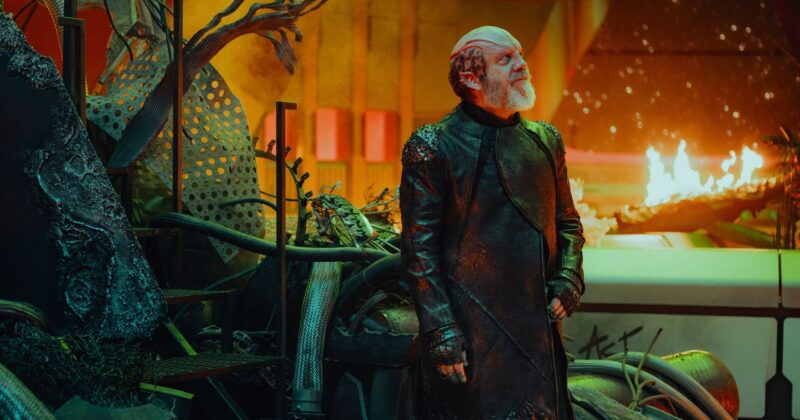
Few characters in recent Star Trek history have stirred the fandom quite like Nus Braka, portrayed with electrifying charisma by Paul Giamatti in Starfleet Academy. Braka isn’t just another antagonist; he’s an unpredictable force—sharp-witted, scheming, and deservingly among the best Star Trek villains of the streaming era. His presence almost demands the spotlight, bringing out the franchise’s old penchant for complex, morally ambiguous adversaries who redefine the boundaries of good and evil.
Nus Braka’s Revolutionary Vision
For most of the season, Braka’s grand design is shrouded in secrecy. His ship, the Venari Ral, and his manipulation of the dangerous Omega mines instantly signaled a threat far beyond personal gain. The Federation, distracted by its grandeur, becomes his target—not simply out of revenge or greed, but through a sweeping vision for uprooting systemic neglect. Braka’s philosophy stems from a life in the shadows, growing up ostracized in neglected corners of space—fueling his desire to unite isolated non-Federation colonies under his banner for a fairer galactic system.
Echoes of The Expanse: Marco Inaros and Braka
This revolutionary zeal should ring a bell for fans of genre television. The blueprint for Braka’s rebellion closely mirrors Marco Inaros, the formidable antagonist played by Keon Alexander in The Expanse. Like Braka, Inaros comes from a mining background and is molded by hardship at the fringes of the system, nursing a fierce resentment toward central powers—Earth and Mars in Inaros’ case, the Federation for Braka.
While Inaros was a political firebrand from the start, Braka began as a small-time criminal, but both evolved into magnetic «freedom fighter» figures who thrive as antiheroes in the grand space opera tradition. Powerfully manipulative and determined, they orchestrate stunning acts of sabotage: Braka immobilizes Starfleet with Omega mines, threatening a disaster on the scale of the Burn, while Inaros hurls stealth asteroids at Earth itself, shaking the balance of solar system authority.
Weapons as Symbols and Tools of Power
Both villains wield stolen experimental technology as both weapon and negotiating chip. Braka’s use of Omega 47 as a weaponized bargaining tool has deep roots in pop culture’s fascination with doomsday devices, while Inaros’ theft and manipulation of the Protomolecule in The Expanse played with similar high-stakes brinksmanship, provoking rival factions and securing his place atop a fragile alliance.
The Cults They Lead: Furies and the Free Navy
Braka’s greatest aspiration is to forge a coalition from forgotten settlements, much like Inaros did with his Free Navy—an alliance that momentarily shifts the balance of power in their respective universes. However, where Inaros manages to bind disparate forces under one flag, Braka struggles to command true loyalty beyond a select few, notably the Furies, making his ambitions all the more tragic and revealing of the brutal challenges inherent in space politics.
Personal Backstories Drive Interstellar Conflicts
The parallels run deeper with narratives involving young characters grappling with the absence of their mothers. In Starfleet Academy, Braka indirectly shapes the life of cadet Caleb Mir, having caused his mother’s exile and giving rise to moral conflict and an eventual reunion. Similarly, Marco Inaros’ own son Filip is caught in his father’s revolution, only to find his real identity in a dramatic confrontation with his mother, Naomi Nagata. These storylines inject real emotional stakes amid the epic power plays, grounding these larger-than-life villains in family drama recognizable across science fiction.
Where Star Trek and The Expanse Meet:
As franchises collide in spirit, viewers witness a fascinating interplay: Braka and Inaros aren’t just rebels—they’re echoes of an archetype that continues to evolve across the science fiction spectrum. Both captivate and horrify, commanding admiration for their vision and terror for their methods. In 2026’s pop culture landscape, these boundary-pushing antagonists are proof of the genre’s enduring power to craft villains who are more than mere obstacles for heroes—they are mirrors of social unrest, charismatic leaders, and, most of all, cautionary tales written across the stars.