One Piece on Netflix: Why the Next Season Marks a Turning Point for Anime Adaptations

Netflix and the Art of Listening: One Piece’s Phenomenal Journey Continues
No one really expected a live-action adaptation of One Piece to defy the odds in the dramatic world of anime-to-TV conversions. Yet, here we are. Netflix has transformed the logic of anime adaptation, showing a rare respect for both source material and fan community—something previously lacking in the streaming giant’s catalogue. When the first season hit the platform, critics and long-time fans quickly noticed how the series ticked so many of the right boxes. The surprise? Netflix actually kept listening, evolving, and doubling down for the future.
Lightning Strikes Twice: The Unprecedented Success of Season 2
After the first exhilarating voyage, hopes were high. Season 2, remarkably, achieved that elusive 100% critic score on Rotten Tomatoes, with a 95% viewer score. Those numbers aren’t just rare—they’re seismic, especially for live-action adaptations of legendary anime franchises. While Netflix might have been tempted to coast on this success, it made a move that thrilled the community: it prioritized the continuation of One Piece and ensured a much shorter gap between seasons.
Speed Matters: Why a Faster Release Means Everything for One Piece Fans
Anime fans are used to patience—they often wait years between story arcs or for dubs to catch up. Still, the nearly three-year gap between seasons 1 and 2 on Netflix caused real anxiety. For a sprawling saga like One Piece, delays aren’t just inconvenient; they risk eroding even the most loyal fanbase and breaking the narrative flow essential to epic storytelling. News of the new season’s much earlier debut was more than positive. It was a declaration: fans’ voices matter, and the streaming giant is setting a standard the whole industry should study.
All Eyes on the Alabasta Arc: Game-Changing Moments Ahead
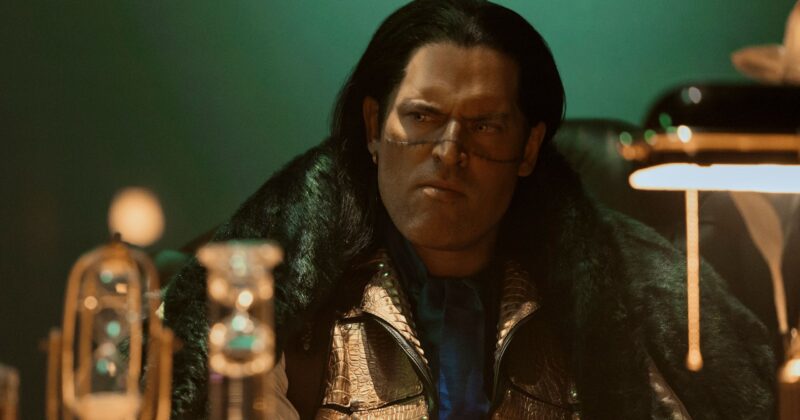
The next live-action chapter, officially titled One Piece: The Battle of Alabasta, adapts one of the most beloved story arcs in manga/anime history. For veteran fans, Alabasta isn’t just another destination. It’s the explosive core where the Straw Hats begin to face fate-defining battles. Expectations are sky-high, with the upcoming arc promising the debut of pivotal characters like Portgas D. Ace (portrayed by Cobra Kai’s Xolo Maridueña), Nico Robin’s dramatic entrance to the crew, new depths to Chopper’s lore, and of course, the high-stakes confrontation between Luffy and Crocodile—two encounters that set series-defining standards in the original narrative.
These moments aren’t just fan service. They’re essential world-building and emotional tentpoles that define what makes One Piece on Netflix a phenomenon. The Alabasta storyline is renowned for its layered themes—duty, friendship, and betrayal—and the showrunners have a unique chance to amplify that emotional resonance in live-action for a global audience.
The Challenge: Can Quality Keep Up with Momentum?
An inevitable question arises: can rapid production maintain the exceptional narrative and visual standards set so far? With the impressive cast already introduced—featuring Iñaki Godoy (Luffy) and Emily Rudd (Nami) alongside new faces—the creative team appears aware of the stakes. The buzz around the next season suggests that Netflix is not just accelerating production; it’s investing more deeply into the world of One Piece, understanding that each decision now shapes the future of anime adaptations for all streaming platforms.
With the arrival of the Alabasta arc set as the show’s next milestone, expectations from both long-time manga readers and newly initiated fans have never been higher. One Piece on Netflix is now more than just an experiment—it’s a case study in how streaming powers can fuel modern pop culture with the right mix of fan engagement, production excellence, and narrative faithfulness. As the journey to Alabasta nears, it’s clear the streaming world has a new gold standard.