One Piece Returns With High Expectations
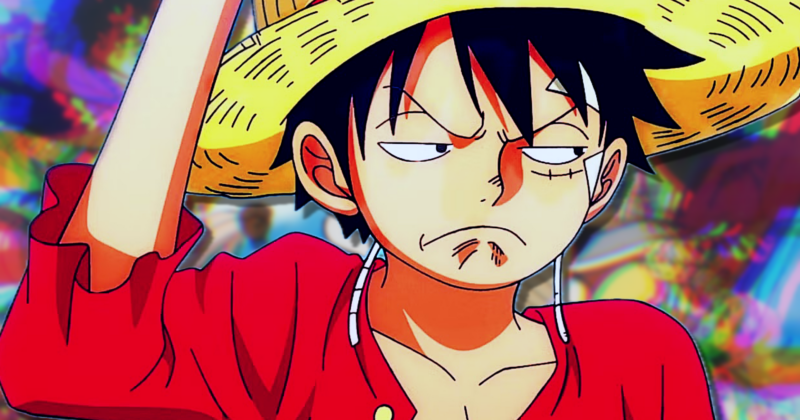
After an extended hiatus, One Piece is back and embarking on its highly anticipated Elbaph Arc. The anime’s fans worldwide have waited anxiously for new episodes, eager to follow Luffy and the Straw Hats as they set sail for Elbaph, a land steeped in lore and towering giants. Those following the manga are already aware that this arc promises transformative reveals and long-awaited flashbacks, fueling a new wave of excitement across the global fandom.
Crunchyroll’s Simulcast Letdown
Yet for many fans outside of Japan, the series’ grand return was soured by a surprisingly frustrating issue: Crunchyroll failed to deliver the promised simulcast on time. Episode 1156, which marks the beginning of the Elbaph Arc, was originally slated to be available simultaneously with the Japanese TV broadcast. Fans had set their alarms for the scheduled 10:15 AM EST/7:15 AM PT drop. Instead, the episode was delayed by two hours, without any advance warning—a particularly egregious slip for a series renowned for its passionate, time-zone-agnostic following.
To add insult to injury, the official subtitled preview was accessible on the One Piece YouTube channel before Crunchyroll pushed the full episode live. For a streaming platform holding exclusive rights to same-day One Piece episodes, such delays not only frustrate viewers but undermine the very spirit of simulcasting. It’s a misstep that raises concerns about infrastructure and communication—especially crucial for landmark anime releases.
Is Crunchyroll’s Infrastructure Falling Behind?
Delays and periodic server crashes are hardly new for the platform, as anyone who has tried streaming highly anticipated anime episodes on release day can attest. When it comes to blockbuster properties like One Piece, these technical hiccups are magnified. A two-hour wait may seem minor on paper, but in the age of global fandoms, social media spoilers, and real-time reactions, it erodes trust, making fans question whether Crunchyroll can keep up with anime’s explosive international growth.
Could Netflix Fill the Void?
This latest stumble has prompted many to consider what a simultaneous release would look like on rival platforms—particularly Netflix. While Netflix currently does not hold simulcast rights to One Piece, its track record with live-streaming major events is impressive. The BTS Comeback concert, broadcast live from Seoul, pushed Netflix’s servers to their limits, and yet, the platform handled the surging demand with minimal hitches. Netflix has also supported streaming for major sporting and entertainment events, including high-profile WWE matches and international boxing bouts.
If Netflix were to secure simulcast rights for titles with massive global audiences, it could theoretically provide a smoother experience free from the delays that have periodically plagued Crunchyroll. For viewers, the dream scenario is one in which developer competition drives all platforms to invest in more robust streaming architecture, benefiting fans everywhere—not just in Japan.
Why Simulcast Reliability Matters for One Piece
As the Elbaph Arc continues to unfold in both manga and anime, excitement is at a fever pitch. Fans want to experience the latest twists, reveals, and flashbacks at the same time as their Japanese counterparts, staying as spoiler-free as possible. A reliable simulcast isn’t just a feature—it’s a critical part of preserving the communal spirit that has defined One Piece for decades.
For now, the hope is that subsequent episodes will meet global fans’ expectations in punctuality and quality. Meanwhile, the broader conversation about anime streaming infrastructure and fair global access remains as relevant as ever.