Discovering Cinematic Voices: The Most Impactful Directorial Debuts
Every now and then, a filmmaker bursts onto the scene, instantly shaping the cinematic conversation with a first film that demands attention. Unlike the gradual evolution seen in most directing careers—where time and experience help hone a unique style—some debuts arrive so assured, so innovative, they were clearly made by storytellers who’d already found their voice. Let’s dive deep into a selection of movies that didn’t just launch careers but became blueprints for entire genres or redefined expectations for what a debut film could accomplish.
Thief: Michael Mann Paints L.A. Noir with Neon
Michael Mann’s debut feature, Thief, handed James Caan a role for the ages and introduced audiences to Mann’s signature look: rain-soaked, neon-lit streets and a meticulous approach to criminal storytelling. Long before Heat and Collateral set the gold standard for urban thrillers, Thief offered not just stunning cinematography but also a layered character study in anti-heroism—foundations that would shape Mann’s renowned body of work.
Bottle Rocket: Wes Anderson’s Idiosyncratic Comedy Takes Off
With Bottle Rocket, Wes Anderson established his distinctive comedic timing and visual quirks. Laugh-out-loud satire meets subtle emotional beats as the film playfully deconstructs the heist movie, driven by deadpan humor, pastel tones, and oddball characters. Even before Anderson perfected his detailed diorama style in later works, this debut showed off all his endearing eccentricities.
Badlands: Terrence Malick’s Poetic Americana
Badlands marked the arrival of Terrence Malick, whose singular take on Americana would become legendary. Focusing on disaffected youth on a cross-country rampage, the film’s dreamlike atmosphere and rich character dynamics—anchored by Sissy Spacek and Martin Sheen—would set the tone for future Malick projects. Its influence can be traced through generations of directors exploring the intersection of beauty and violence in the American narrative.
Who’s Afraid of Virginia Woolf?: Mike Nichols Redefines Stage-To-Screen Adaptation
Mike Nichols entered cinema with a bang by adapting Edward Albee’s claustrophobic stage play for the screen. Choosing an all-star cast—Elizabeth Taylor, Richard Burton, George Segal, and Sandy Dennis—Nichols demonstrated a masterful grasp of pacing, character conflict, and naturalistic dialogue. The film’s no-frills aesthetic and focus on deeply flawed people became trademarks for Nichols, setting a new bar for dramatic adaptations.
Ratcatcher: Lynne Ramsay’s Unsettling Coming-of-Age Vision
Scottish auteur Lynne Ramsay stunned audiences with Ratcatcher, a bleak yet visually poetic exploration of guilt and childhood in troubled environments. Ramsay’s penchant for tackling unsettling topics with empathy and visual inventiveness was already evident—a quality seen in her later films starring the likes of Joaquin Phoenix and Jennifer Lawrence. Ratcatcher remains a visceral entry point into her unique voice.
In Bruges: Martin McDonagh’s Darkly Comic Take on Hitmen
In Bruges found playwright-turned-director Martin McDonagh translating his razor-sharp wit to cinema. Pairing Colin Farrell and Brendan Gleeson as two unlucky hitmen banished to Belgium, the film started as a buddy comedy and morphed into a meditation on guilt, morality, and redemption—all punctuated by Ralph Fiennes’ explosive performance. McDonagh’s distinctive blend of humor and heartbreak was in full display from the start.
Sorry To Bother You: Boots Riley’s Surreal Satire
Activist-turned-filmmaker Boots Riley made waves with Sorry to Bother You, effortlessly blending social critique with wild, surreal storytelling. Propelled by LaKeith Stanfield’s riveting performance, the film skewers unchecked capitalism before morphing into pure cinematic madness. Riley’s debut stands as a case study in creative risk-taking: fearless, unpredictable, and wholly original.
Past Lives: Celine Song’s Personal Odyssey
Celine Song brought a deeply autobiographical perspective to her debut, Past Lives. Through the eyes of a young Korean woman navigating her identity after migrating to North America, Song crafts a narrative about memory, cultural roots, and reconciling one’s past with the present. Intimate and evocative, Past Lives is the kind of first feature that could only be made by its creator, setting the bar for representation and emotional honesty in modern cinema.
The Shawshank Redemption: Frank Darabont’s Impeccable Entry
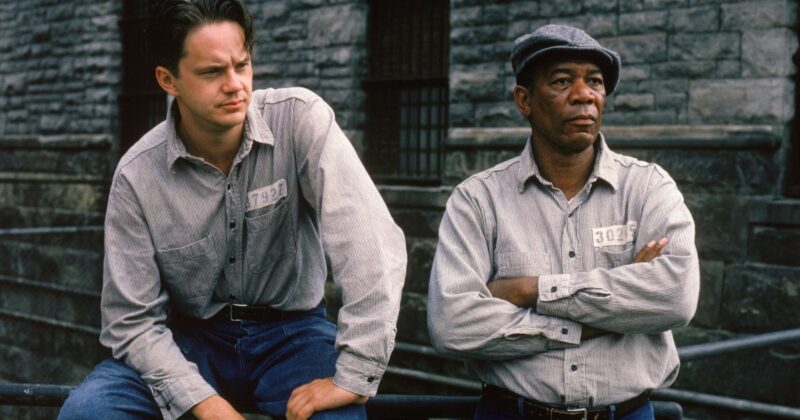
Frank Darabont didn’t just debut as a director; he launched with one of the most beloved films of all time. The Shawshank Redemption, adapted from Stephen King, moves with such confidence and scale it’s hard to believe it was Darabont’s first outing. Carefully paced and emotionally resonant, it’s a testament to the power of precise storytelling—and a signal of why it continues to captivate new generations.
The 400 Blows: François Truffaut’s Defining Coming-of-Age Lens
No discussion of first films would be complete without The 400 Blows. Truffaut’s autobiographical coming-of-age drama helped ignite the French New Wave and introduced audiences to Antoine Doinel—a character who’d return throughout Truffaut’s career. The honest, unsentimental look at adolescence has inspired countless filmmakers since, cementing its place as an essential touchstone for anyone telling stories about youth and rebellion.
These remarkable debuts don’t just mark beginnings—they signal the arrival of singular visions, announcing directors who would go on to leave an indelible mark on culture worldwide. For movie lovers and creators alike, these films remain enduring touchstones on how to make a first impression that truly counts.