Palestine 36: An Immersive Look at Anti-Colonialist Cinema
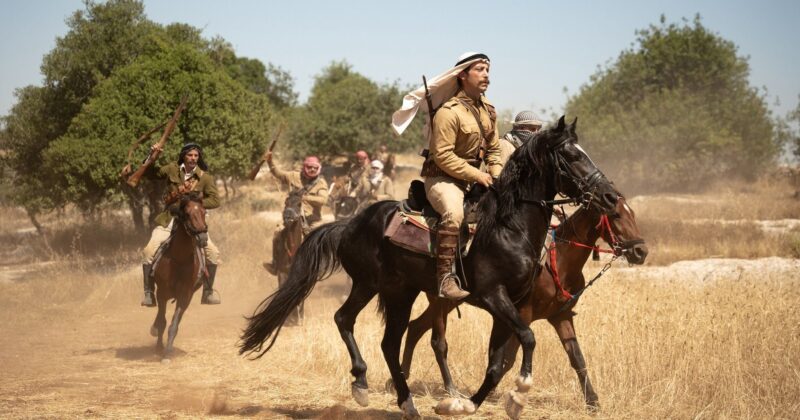
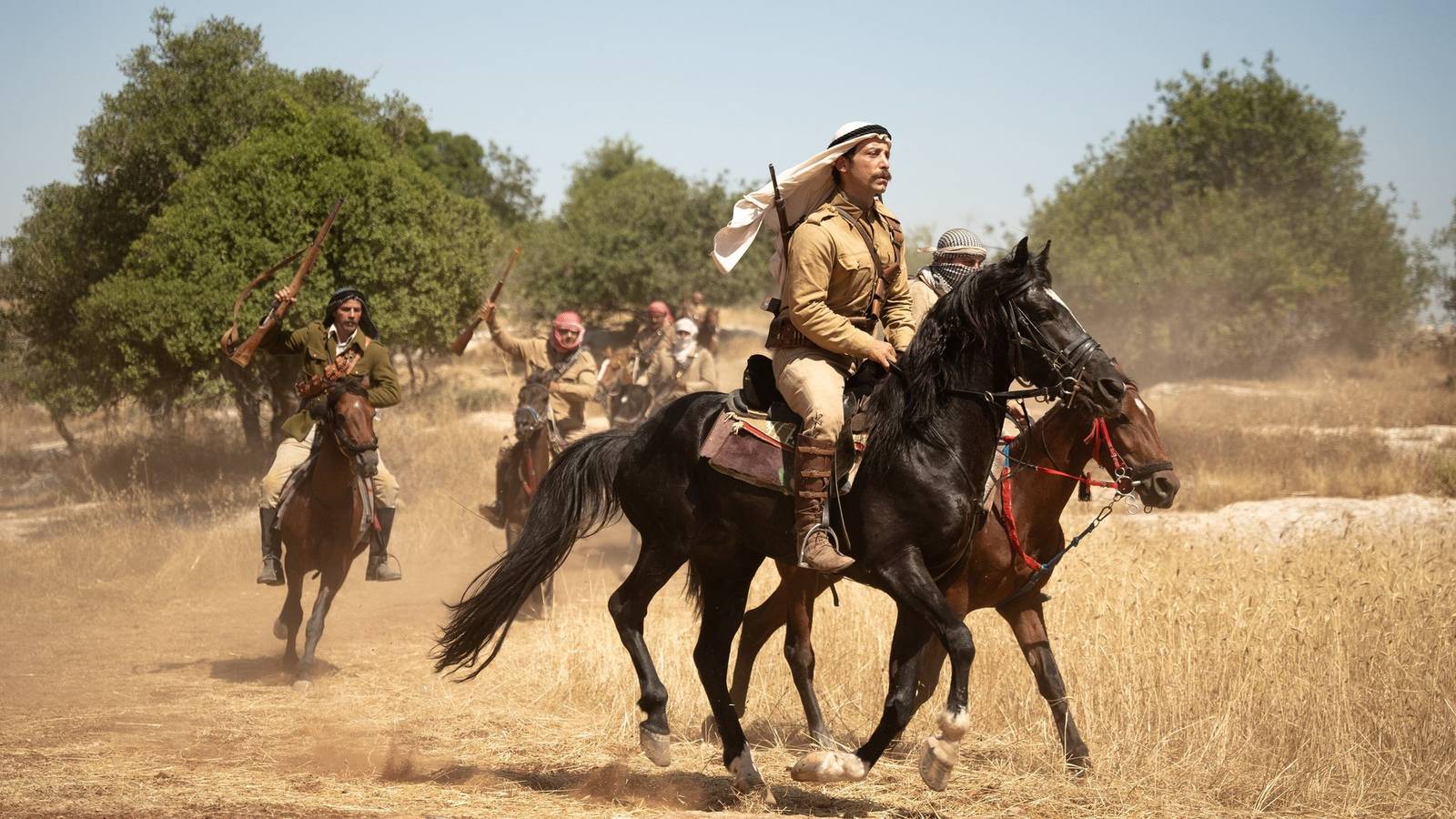
Annemarie Jacir returns with a sweeping historical epic that defies conventional narratives around Palestine and the complexities of colonialist history. With Palestine 36, Jacir presents a film that is not just timely but intricately researched, aesthetically striking, and emotionally charged—elevating the anti-colonial genre with a polish rarely seen in mainstream western filmmaking.
Subverting Narratives Through Cinematic Power
Rather than retelling rehearsed versions of the Israel-Palestinian conflict, Jacir’s approach is both fresh and unsettling. The focus here is not on simplistic binaries but on the epoch-defining revolt against British rule—a chapter too often glossed over in conversations about the origins of today’s struggles. The occupying forces are depicted in sharp detail, showing how their policies strategically set marginalized groups against one another, never fully recognizing Palestinian agency or identity.
This is no accident: Jacir deliberately crafts her film as a counterpoint, shattering the mistaken belief that the region’s strife began recently. Through restored archival footage, she offers incontrovertible evidence of a thriving Palestine before mass dispossession, directly challenging revisionist myths of an ‘empty land.’
Multi-Threaded Characters and a Region on the Brink
At the heart of the narrative is Yusuf (magnetically played by newcomer Karim Daoud Anaya), whose journey from an ambitious village youth to a hardened insurgent reflects the turmoil and hope of an entire people. His world is populated by equally powerful figures: Khouloud (Yasmine Al Massri), a fearless journalist exposing the preferential policies of the British Mandate; Amir (Dhafer L’Abidine), the political operator caught between loyalties; Khalid (Saleh Bakri), a laborer pushed to rebellion; and Hanan (the iconic Hiam Abbass), embodying the agony of a grandmother trying to keep her family whole amidst chaos.
These interactions offer a full spectrum of the social and political tensions that shaped—and continue to shape—Palestinian identity and resistance. As divisions widen and British forces escalate their repression, internal debates burn: is compromise possible, and who controls the narrative of resistance?
Complex Portraits of Both Sides
Palestine 36 excels at crafting multi-dimensional characters, even within the British administration. Thomas (Billy Howle), the idealistic diplomat, and High Commissioner Wauchope (Jeremy Irons), whose duplicity serves settler interests, play crucial roles in showing the tangled, often cynical policies that dictated life under the Mandate. Liam Cunningham’s Charles Tegart coldly introduces measures to divide and control—glimpses of future policies that will shape the regional landscape for decades.
Meticulous Historical Texture and Cinematic Craft
The production blends dramatic sequences with carefully restored, colorized archival footage. This not only adds historical gravitas but exposes often-forgotten realities, like the significant urban life and civic engagement in Palestinian cities before the late 1940s. Moments such as the women-led silent protest of 1929 and the founding of the Palestine Broadcasting Service are celebrated, while more somber notes—like the Peel Commission laying groundwork for mass displacement—are handled with subtlety, serving as persistent warnings woven into the film’s fabric.
Visually, Jacir delivers grandeur and intimacy in equal measure. Sweeping city vistas contrast with tense close-ups, capturing both the collective journey and the intensely personal struggles defining this historic moment. Anaya’s penetrating vulnerability is matched by a supporting cast who ground the sweeping history in relatable, human scale drama.
Righteous Anger and Hope in Cinema
Jacir’s signature optimism and righteous anger are ever-present. While at times the plot veers into overt symbolism—some secondary characters serve more as allegories than fully fleshed-out personalities—the film’s emotional power is undiminished. For viewers who come expecting a didactic lecture, what they find is a living, breathing world in which the lines between past and present blur, and where the stakes feel urgent and contemporary.
As the story winds toward its conclusion, with the ensemble literally set into motion, the film leaves an indelible impression of defiance and attachment to ancestral land—a cinematic reminder that history is not just prologue, but presence.