Filming Begins for the Final Chapter of Paradise
The atmospheric sci-fi thriller Paradise, hailed by horror maestro Stephen King as one of the strongest shows in recent memory, has officially started production on its hotly anticipated third season. In a remarkable move rarely seen in the industry, the cameras started rolling barely a week after the gripping season 2 finale hit Hulu. This immediate transition reflects both the show’s meticulous planning and its creative team’s dedication to delivering an annual dose of paranoia-tinged drama.
Stephen King’s Endorsement & The Buzz Around Paradise
When Stephen King publicly lauds a series, genre fans take notice. Calling Paradise ‘rare’, King praised its sharp dialogue, cohesive storytelling, and standout performances, particularly highlighting how season 2 elevated the stakes and refined every element that made the debut year so memorable. King’s enthusiastic social media support places Paradise alongside other acclaimed series he’s championed, like Silo and Stranger Things, further cementing its reputation among the streaming era’s elite sci-fi offerings.
What Sets Paradise Apart?
The creation of Dan Fogelman, Paradise had viewers hooked from its opening minutes with a premise that quickly escalated from presidential mystery to bunker-bound secrets and multi-layered realities. The pilot’s final reveal—that this picturesque community exists deep underground—set off a chain reaction of sci-fi twists.
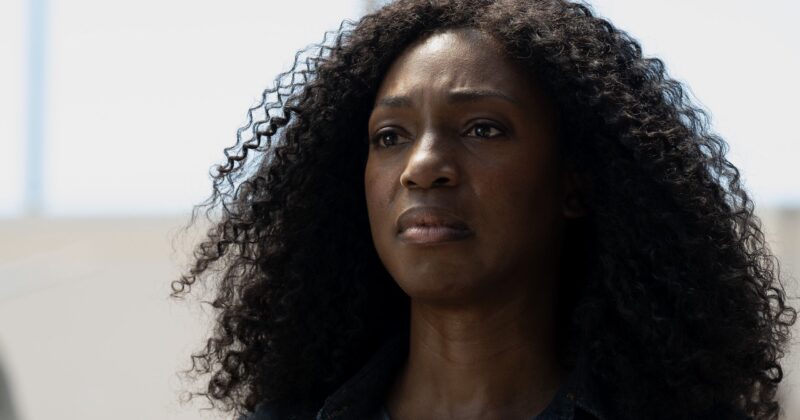
By season 2, protagonist Xavier Collins (played with gravitas by Sterling K. Brown) had moved above ground, breaking literal and storytelling barriers in his desperate search for his missing wife, Teri Rogers-Collins (portrayed by Enuka Okuma). The dynamic between Xavier and Teri continues to ground the series through its increasingly complex narrative, adding emotional resonance to the suspense.
Quick Turnaround: The Recipe for Success
Season 3’s whirlwind production schedule is no accident. Scripts were locked in well before the previous finale aired, thanks to Hulu’s early renewal and Fogelman’s commitment to a tightly plotted three-season arc. Keeping the yearly release window not only maintains fan excitement, but also ensures narrative cohesion—a crucial element with so many sci-fi shows falling victim to delayed production and convoluted plotting.
Early Glimpses and What Awaits
Dan Fogelman’s initial behind-the-scenes tease features Xavier sitting at a wooden table, absorbed in thought, as Teri stands nearby in a setting far removed from the metallic safety of the bunker. This shift to a rustic cabin environment signals a bold exploration of the world outside—fertile ground for the show’s signature twists and moral dilemmas.
Alongside Brown and Okuma, returning cast members include Thomas Doherty, Krys Marshall, Sarah Shahi, Aliyah Mastin, Percy Daggs IV, and Charlie Evans. Frequent use of flashbacks, time loops, and even multiverse teases suggest that beloved and even departed characters, like James Marsden’s President Cal Bradford, could play pivotal roles as the series accelerates toward its conclusion.
A Show for the Age of Sci-Fi Television
Paradise distinguishes itself in a crowded field of speculative TV by blending sharp, uncluttered storytelling with grounded human drama. While the genre often leans on spectacle, this series thrives on the lived-in chemistry of its ensemble cast and its razor-focused script. The creative decision to end after three seasons—a rarity in today’s franchise-stretching landscape—sets a clear destination, promising a satisfying resolution rather than endless cliffhangers.
With the cameras rolling and speculation ramping up, Paradise is poised to deliver a final season that could become a genre-defining moment in modern streaming. Whether you’re drawn by Stephen King’s seal of approval, Hulu’s investment in smart sci-fi, or simply a fan of tightly constructed thrillers, Paradise’s last act promises to be an unmissable chapter in the evolution of genre television.