Parasyte: The Maxim – Why Anime’s Body Horror Masterpiece Stands Above Classic Sci-Fi Thrillers
When it comes to pushing the boundaries of horror, few genres do it with such visceral creativity as body horror. From David Cronenberg’s grotesque masterpieces to the chilling transformations seen in John Carpenter’s works, Western media has set a high bar. But animation—especially Japanese anime—takes this art of flesh and terror to ruthless new heights. Parasyte: The Maxim, a 24-episode anime based on Hitoshi Iwaaki’s iconic manga, isn’t just a body horror tour de force; it’s an essential recommendation for anyone who believes horror and science fiction can blend brilliance with brutality.
The Unparalleled Impact of Parasyte in Body Horror
Body horror thrives on the fear of losing autonomy over the physical self, prying open anxieties about infection, mutation, and the unknown. Anime, unbound by prosthetics or the labor of CGI, twists anatomy with exhilarating freedom. While titles like Attack on Titan and Elfen Lied tease the edges of creature-feature gore and violence, Parasyte: The Maxim focuses obsessively on the uncanny and subversive metamorphosis of the human form—and does so without the limitations of live-action or budget.
The story follows Shinichi Izumi, an ordinary high school student whose life changes when a parasitic alien invades—but only manages to fuse with his right hand instead of taking control of his brain. This parasite, known as Migi, becomes both a weapon and life partner, granting Shinichi supernatural abilities but constantly challenging his sense of humanity. As other parasites begin infesting society, the resulting transformations are equal parts horrifying and fascinating: faces split in unnatural directions, limbs forge into weapons, and nobody is ever quite sure who is still human.
A Compact, Relentless, and Faithful Adaptation
The anime adaptation from the acclaimed studio Madhouse, directed by Kenichi Shimizu, streamlines the manga’s complex storyline into a punchy, filler-free experience. Clocking in at just 24 episodes, Parasyte: The Maxim manages to intensify the source’s existential dread while delivering a tightly choreographed mix of horror and sci-fi drama. The adaptation stays strikingly loyal to Iwaaki’s vision, avoiding the missteps seen in other horror manga adaptations that lose narrative focus or dilute their conceptual depth in the transition.
Remarkably, the Parasyte franchise didn’t halt at animation. It expanded with a pair of live-action films and most recently a series, Parasyte: The Grey, that reinvents the premise in an entirely new national context. Across all these adaptations, the core question remains disturbingly relevant: how much of our humanity can we retain when forced to embrace the unthinkable?
Parasyte vs. Hollywood: A Lesson in Horror Adaptation
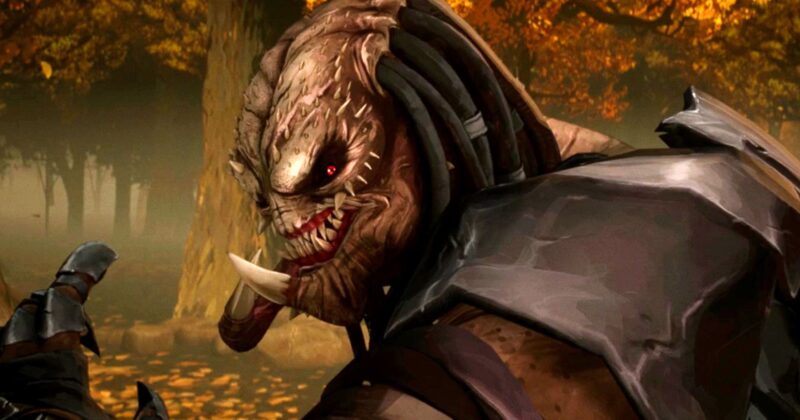
What truly sets Parasyte: The Maxim apart is how deftly it borrows from—yet exceeds—the cinematic language of Western horror icons. Think of classics like Predator, Alien, or The Thing: each builds suspense and terror through what flesh can endure or become. Yet none of these have dared attempt a dedicated animated series capitalizing on the sheer flexibility—and nightmarish possibilities—of animation. Predator: Killer of Killers recently made a bid to revive such ambition in animation, but Parasyte had already beaten everyone to the punch, outdoing even Hollywood’s finest in generating relentless, visually-driven horror.
Unlike many monster-themed anime, Parasyte’s horror resides not exclusively in violence or shock, but in the psychological tension of its protagonist. As Shinichi adopts more of the parasite’s cold, logical survival instincts, viewers are pressed to ponder what it truly means to be human. This is not only a visual horror experience; it’s a deeply philosophical journey where the grotesque is the gateway to a discussion about the soul.
The Ongoing Influence and Appeal
Parasyte: The Maxim has garnered both critical and popular acclaim, carving out a place for body horror in animated form and inspiring fresh adaptations in live action for a new generation. For fans of science fiction, horror, or the study of humanity under duress, this anime remains unmissable. At every turn, it demonstrates that animation can outclass and outdo even the greatest live-action horror franchises, both in spectacle and in substance.