Peaky Blinders: The Immortal Man Explores Tommy Shelby’s Haunting Legacy in an Epic Visual Return

Tommy Shelby’s Return: The Ghost Haunting His Own Kingdom
The world of Peaky Blinders finds itself haunted by the familiar footsteps of Tommy Shelby, the Gypsy King, as he emerges from years of self-imposed exile. This new chapter plunges viewers back into the shadow-drenched streets of Birmingham, only to discover a very different Tommy: a man driven inward, wrestling with the echoes of those he could not save. Through a lens as visually captivating as ever, The Immortal Man becomes less a traditional gangster tale and more a gothic meditation—a ghost story that pays homage to the unsparing storytelling that defined the series.
The Scarred Protagonist: A Man and His Demons
The bulk of the narrative unfolds with Tommy in isolation, penning a book while Johnny Dogs remains his sole confidante. The specters haunting him aren’t just figments; they’re the sum of every dark decision he made, every life upended by his ambition. This anguish is illustrated by the arrival of new spirits—unexpected faces, both living and dead—whose presence forces Tommy into a continuous reckoning with his past misdeeds. While this setup holds rich potential, the film sometimes stumbles, struggling to pause and reflect on the ripple effects of these tragedies, particularly as Tommy himself drifts through the movie as a ghost of his former self.
The Challenge of a Broadened Cast
The Immortal Man ambitiously attempts to bridge the complex history of the Peaky Blinders with the introduction of fresh faces and offscreen tragedies. Barry Keoghan steps in powerfully as the new leader, channeling a raw volatility that mirrors Tommy’s own inner conflict. Yet, the film’s efforts to bring Duke—Tommy’s estranged son—into the spotlight can feel hurried. The dynamic between Tommy and Duke becomes critical, operating on the theme of inherited darkness. However, Duke’s character, largely a cipher in the original show, lacks the depth needed to truly anchor the climax, especially when compared to the likes of Michael Gray or even Tommy’s other son, Charlie.
Villains Old & New: Underdeveloped Threats
No Peaky Blinders story is complete without a mesmerizing villain, and here, the film brings together fierce talent in Tim Roth’s Beckett and Rebecca Ferguson’s Kaulo. Despite enticing setups, their arcs never fully bloom. Roth’s Beckett emerges as a Nazi sympathizer manipulating Duke’s pain, but he remains a surface-level threat, lacking the addictive complexity of previous antagonists. Ferguson brings gravitas to Kaulo, yet she too is largely sidelined, leaving audiences to imagine what could have been if given the space to develop her character fully.
Visual Grandeur and Calling Cards: The Classic Peaky Blinders Touch
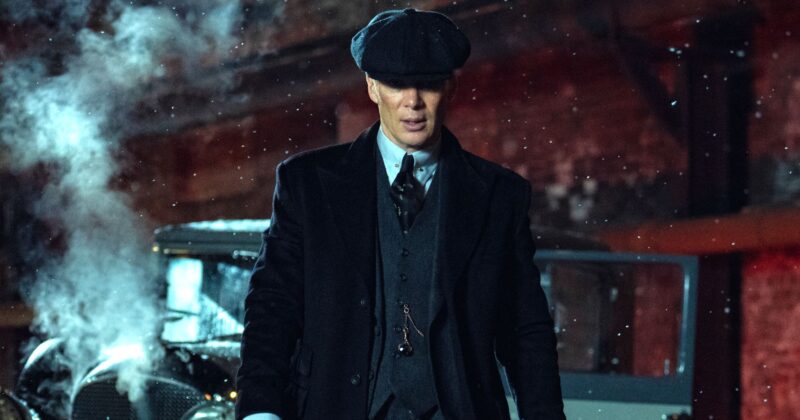
If The Immortal Man occasionally falters in narrative execution, it more than compensates through its atmospheric brilliance and respect for legacy. Every stylistic hallmark fans have come to cherish is present: slow-motion walks through foggy Birmingham alleyways, bouts of dark humor, razor-edged suspense, and the ever-present tension between fate and free will. The cinematography bathes familiar haunts in an ethereal glow, while the show’s commitment to Romani culture, spirituality, and the brutal charisma of the Shelby family remains potent.
A TV Epic at Heart
Perhaps what lingers most is a sense that this story might have breathed fuller in its original TV format. The complexities—of family, power, and betrayal—call for the luxurious space television can provide. Imagine six episodes to let each punch land, each loyalty twist, each vendetta simmer. As a feature-length experience, events at times feel densely packed yet underexplored, the ghosts at Tommy’s side clamoring for the screen time the format can’t accommodate.
Cillian Murphy’s Defining Performance
Amid the swirling drama, Cillian Murphy reclaims his place as one of television’s most magnetic anti-heroes. His portrayal of Tommy Shelby radiates the same controlled intensity, haunted eyes, and rage-fueled tenderness that carved the character into television iconography. Scenes of his return to Small Heath crackle with electricity, underscoring the paradox at the heart of his legacy: Tommy Shelby is both danger and salvation, Birmingham’s curse and its protector.
The Immortal Man may not tie every thread with surgical precision, but it stands as a visually electrifying tribute to the enduring mythology of the Peaky Blinders. For those invested in the criminal, spiritual, and emotional labyrinth that is Tommy Shelby, it is a homecoming as visceral as the show’s bleakest gunfights and whispered betrayals.