Peaky Blinders: The Immortal Man – Tommy Shelby’s Final Fate and the Fall of Empires Explained

The End of an Era: Tommy Shelby Faces Destiny
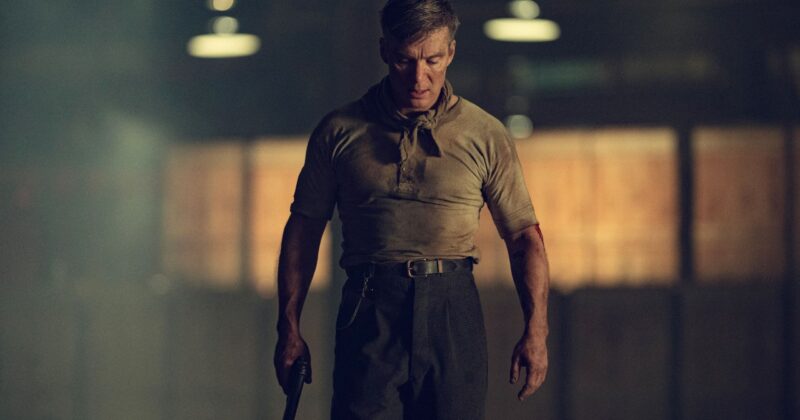
It’s impossible to talk about contemporary TV without acknowledging the seismic impact of Peaky Blinders. Over six celebrated seasons, its anti-hero, Tommy Shelby, transformed from battle-scarred WWI survivor to kingpin and political mover in post-war England. Peaky Blinders: The Immortal Man arrives as a cinematic epilogue, diving deep into the characters’ last chapters after the original series finale.
The Return to Conflict and War
For Tommy Shelby, retirement never meant peace. His life, which began in the mud and trenches of WWI, now finds its ultimate test against the backdrop of WWII. The legacy of violence and ambition haunts every step. This time, the conflict is not only with fascist ideologies threatening Europe, but within the Shelby family itself.
Duke Shelby and the Shadow of Betrayal
Much of the movie’s intensity stems from Tommy’s fraught relationship with his son, Duke. Drawn into a catastrophic plot led by John Beckett, a Nazi collaborator intent on crushing Britain through economic sabotage, Duke is offered £90 million and a chance to forge his own legacy. This dirty money, counterfeit and meant to flood British markets, risks collapsing an entire economy — a scheme echoing real-world WWII tactics used to destabilize nations.
Despite Duke’s initial moral ambivalence and willingness to cooperate with Beckett, Ada Shelby’s tragic death marks a turning point. Her murder ignites Tommy’s return, not just to save his legacy, but to confront the darkness he sees reflected in his son. It also sets the stage for a visceral father-son reckoning that drives the film’s climax.
The Final Stand: Redefining Redemption
Armed with loyal comrades — including Charlie, Stagg, Johnny Dogs, Curly, and the new generation of Blinders — Tommy orchestrates a dual assault: a ship packed with explosives headed to Liverpool, and a tactical ambush cutting down Beckett’s henchmen. The centerpiece is Tommy’s own tunnel-born infiltration, echoing the trauma and survivalist instincts shaped during the Great War. The precision of the plan, its callbacks to earlier seasons, is a testament to the show’s attention to legacy and cyclical violence.
As Beckett tries to escape justice, Tommy refuses to take cover, exposing himself to mortal danger as if to accept fate’s hand. He is wounded but fulfills his mission — avenging Ada, destroying Beckett’s counterfeit operation, and saving his people, but at an extraordinary personal cost.
The Mercy Kill: Duke’s Pivotal Choice
Few moments in television are as haunting as the closing scenes between Tommy and Duke. Knowing full well that his battle-scarred soul cannot find peace, Tommy pleads with Duke to end his suffering. This act — preordained by Kaulo, Duke’s maternal aunt — is less betrayal than an act of mercy and closure. Duke’s struggle and ultimate decision to pull the trigger create a legacy moment: the son ends the father’s saga, but also frees himself from a cycle of violence.
Arthur Shelby’s Tragic Fate
Paul Anderson’s absence as Arthur leaves a shadow, yet the character’s end is critical lore. In a harrowing flashback, Tommy’s drunken rage drives him to kill his own brother, believing (mistakenly) that this act would offer liberation from the family’s perpetual torment. Instead, it fractures him further. The truth, only known to Kaulo, adds a spectral quality to Arthur’s legacy, filling the movie with grief for fans who followed the brothers’ turbulent relationship from the beginning.
Beckett’s Nazi Plot and Comic Book Parallels
Beckett’s plan aligns with some of pop culture’s most infamous villains — a charismatic mastermind seeking empire at any cost. British actor Tim Roth brings a chilling gravitas to the role, offering a worthy final nemesis for Tommy. The counterfeit currency plot runs parallel to real-life Nazi schemes and myriad fiction narratives — fans of espionage classics and Cold War comics will feel right at home.
Ada’s Death: The Emotional Catalyst
Ada Shelby’s murder is more than a plot twist — it’s the emotional linchpin that turns sons against fathers and accelerates Tommy’s spiral. The ramifications ripple through every subsequent decision, adding gravity to the final confrontation and ensuring that viewers, new and veteran alike, appreciate the intertwined fates driving the Peaky Blinders universe forward.
With stellar performances, unflinching attention to historical detail, and bold narrative risks, Peaky Blinders: The Immortal Man serves aficionados of crime drama, World War narratives, and complex familial dynamics alike. Tommy Shelby’s story might have reached its end, but its resonance in popular culture is certain to linger — a lasting imprint worthy of its legendary protagonist.