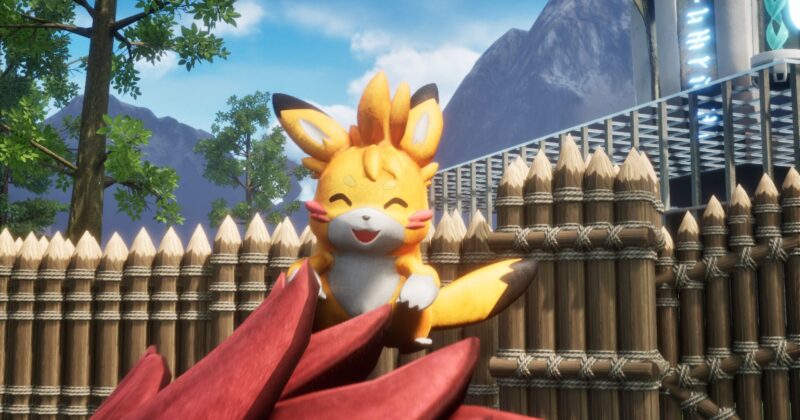
Pickmon: The New Contender in the World of Pocket Monster Games
The Pokémon franchise continues to set trends and break records, but with its reign come a legion of imitators aiming to capture the same magic. Enter Pickmon, an upcoming title developed by PocketGame and published by NetworkGo, which has quickly become the center of heated debate for being more than just inspired by Pokémon and even Palworld. The project promises a multiplayer open-world survival experience where players explore mysterious continents, collect creatures, farm, build, and combat industrial conspiracies – a pitch that immediately sounds familiar to fans of the monster-catching genre.
An Identity Crisis: When Inspiration Crosses the Line
Pickmon doesn’t shy away from embracing its influences, but early eyes on the project have raised eyebrows. The game’s promotional materials boldly feature creatures suspiciously similar to famous Pokémon, including what look like versions of Charizard and Meganium, not to mention a character uncannily reminiscent of a Palworld creature wielding a minigun. If that wasn’t enough, there are even nods to The Legend of Zelda: Breath of the Wild in the protagonist’s design.
While elements from popular video game IPs often intersect, the thin line between homage and imitation is a legal and ethical minefield. As the Pickmon controversy brews, it’s causing many in the gaming community to question where the boundaries truly lie in creative “inspiration.”
Fan Artists Cry Foul: Allegations of Stolen Designs
The conversation surrounding Pickmon escalated when Pokémon fan artists discovered their creations used in the game’s art assets. @Pokejayjay, a well-known artist in the community, pointed out on social platforms like X (formerly Twitter) that a Mega Ceruledge fan design had appeared in Pickmon’s materials without permission or credit. Another creative, el.psy.fake, reported on Instagram that one of their designs was directly copied, echoing the sentiment that no meaningful changes had been made to disguise the origin of the artwork.
This isn’t just a matter of development shortcuts—these allegations are exposing how fan-inspired games must navigate not just corporate IP rights, but also respect the real creative labor that fuels fan communities worldwide. With Palworld itself navigating legal scrutiny, the stakes for Pickmon could not be higher.
The Persistent Allure of the Pocket Monster Formula
Gamers have long loved the thrill of collecting, nurturing, and battling strange creatures—a formula that Pokémon transformed into a global phenomenon. But as the genre matures, we’ve seen the rise of titles like Monster Rancher alongside a never-ending parade of clones, all vying to create the next pop culture hit. While some projects bring fresh ideas to the table, others, like Pickmon, are accused of leaning too heavily on established visual and gameplay tropes for a quick sprint to fame.
Still, it’s a testament to Pokémon’s influence that games—and controversies—continue to erupt as independent studios try to ride the wave. Even as the community anticipates new official Pokémon content and spinoffs, debates rage on about creativity, ownership, and where the industry should draw the line when inspiration turns into imitation.