Pixar’s Creative Reawakening: Why Hoppers Has Everyone Talking
For a generation raised on Toy Story, Monsters, Inc., and The Incredibles, the golden era of Pixar animation shaped what families expect from cinema: bold ideas, universal emotions, and technical wizardry. Recent years saw Pixar stumble, weighed down by mixed results at the box office and an increasing reliance on sequels. But with Hoppers, the studio plants its flag once more on original storytelling—and it couldn’t have come at a more critical time.
The Magic Behind Hoppers’ Story
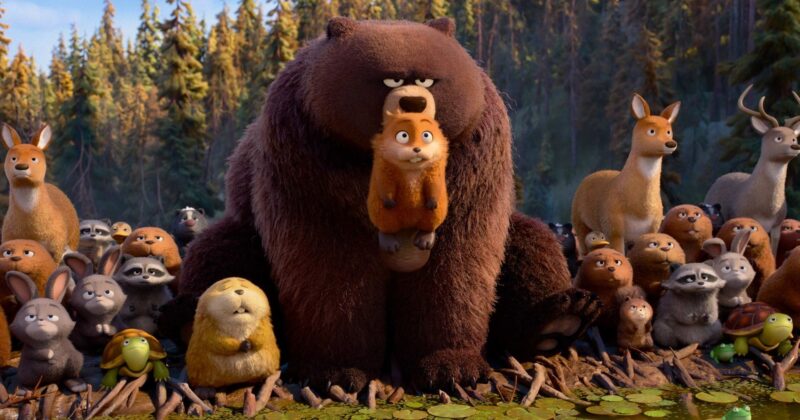
Hoppers introduces audiences to Mabel, a fiercely determined kid devoted to the wonders of nature. When construction threatens her beloved childhood pond—a place of memories shared with her late grandmother—Mabel embarks on an audacious mission. No simple protest, her plan involves transferring her consciousness into a robotic beaver, uniting the pond’s wildlife, and defying the mayor’s bulldozers. The result? An adventure as wild and whimsical as it sounds, blending high-concept sci-fi with environmental parable.
Why Hoppers Stands Out Among Pixar’s Originals
Unlike some recent Pixar releases that skewed very specific or struggled to resonate beyond their core themes, Hoppers hits that rare, elusive note of universality. This new feature bursts with color and kinetic energy, but never loses sight of the deeply human vulnerabilities at its core. The voice cast injects joyful personality into every frame—Piper Curda brings heartfelt verve to Mabel, Bobby Moynihan adds warmth and comedic punch as the animal kingdom’s King George, while Jon Hamm and Dave Franco fuel the movie’s slyly satirical edge as a mayor and villain, respectively. Meryl Streep’s cameo alone is destined to become a fan-favorite moment, showing that even in a stacked ensemble, Pixar’s casting remains peerless.
Pixar’s Environmentalist Soul Returns
What sets Hoppers apart isn’t just its entertainment value, but its message. Environmentalism has threaded subtly through Pixar’s most acclaimed works—WALL-E’s warning about corporate waste and climate change still resonates powerfully. Hoppers delivers its plea in a way that feels fresh, urgent, and accessible. The movie cleverly balances slapstick humor—expect at least one scene involving an ill-fated bug to have the whole audience howling—with an emotional core that speaks to anyone worried about the planet’s future. Without ever feeling preachy, it invites audiences of all ages to reflect on the cost of unchecked progress versus the value of preserving our shared home.
The Case for Originality in Animation
The runaway success of sequels like Inside Out 2 has nudged Pixar, and its corporate parent, to double down on established franchises. This makes Hoppers especially significant: it proves there’s still a hunger for bold, imaginative new worlds. Audiences enter the theater not knowing what to expect and leave with something truly memorable—characters and stories that couldn’t have sprung from anywhere but an original vision. It’s easy to forget that blockbusters like Toy Story and The Incredibles were once leaps of faith themselves, original projects that redefined the genre.
Looking Forward: Pixar at a Crossroads
Whether Hoppers will trigger a resurgence of original storytelling or mark a rare exception in Pixar’s increasingly sequel-driven lineup remains to be seen. What’s clear is that its creative success provides a timely reminder: the most enduring franchises in animation history began with a risk. Hoppers signals it’s time to trust that spirit of invention once again—and that audiences, while always eager for familiar characters, will never stop craving the unknown.