Poison Ivy Redefined: Gotham’s Botanical Queen Transforms into Batman’s Most Terrifying Nightmare

Gotham’s Eerie Evolution Continues: Enter a Reborn Poison Ivy
Few rogues in Gotham’s legendary gallery have ever shaken the Dark Knight as profoundly as Poison Ivy. Yet in DC’s Absolute Universe, the infamous eco-villain takes center stage in ways that blur the line between horror and heroics. In Absolute Batman #17, Dr. Pamela Lillian Isley’s metamorphosis is poised to become the stuff of psychological terror, with storytelling that delivers both bold reinvention and chilling artistry.
A Sinister Origin: Ivy’s Traumatic Rebirth
Long gone is the classic vision of Ivy as a seductive eco-terrorist. The new Poison Ivy emerges from the grotesque laboratories of the Ark M Project—orchestrated by Jack Grimm V, better known as The Joker. Her origin is steeped in tragedy: abducted as a child, subjected to unethical experimentation, and genetically fused with plant DNA, Ivy’s very humanity is put to the test. Each tendril, each leaf, is rooted in torment and science twisted for monstrous purposes.
The Environment Strikes Back: A Living Nightmare
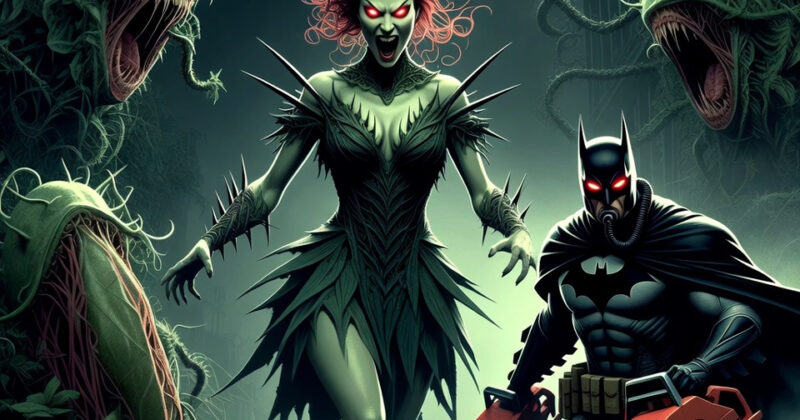
This version of Ivy wages war not with pheromones but with a startling, organic takeover. An entire Gotham block transforms into a feral eco-system, pulsing with life, danger, and a dark imagination reminiscent of cinephile nightmares. Nestled among the twisted flora, human-plant hybrids pulse in grotesque pods, fusing David Cronenberg-esque body horror with superhero spectacle. The result? A narrative that pushes familiar mythos into uncharted territory, sending chills down the spine of even the most stalwart Batman fan.
Absolute Batman Faces His Botanical Nemesis
As Ivy makes her chilling debut, Batman—equipped with dual chainsaws and an oxygen mask—must navigate a corrupted landscape that is as much psychological labyrinth as physical threat. It’s not the first brush the Caped Crusader has had with Ivy’s terror in the Absolute Universe. In Absolute Batman #10, Bruce Wayne stumbled into the so-called ‘Isley Ecosystem’ during his escape from Ark M’s grasp, confronted by flora interwoven with human anatomy and hybridized minions warped by Ivy’s influence.
Redefining Powers and Threats
This ‘Absolute’ Poison Ivy isn’t just an upgrade in aesthetics—her abilities are far more visually and thematically unsettling. Traditionally championing environmental causes, here she embodies nature’s revenge personified, transforming Gothamites into unwilling extensions of her will. It’s a fresh interpretation that resonates powerfully in an era obsessed with both ecological catastrophe and bioengineering ethics.
A Lasting Impact on Gotham’s Tapestry
Fans will recognize iconic elements—chainsaw-wielding Batman, lush yet treacherous plant scapes, and the looming specter of hybrid monsters—but the Absolute Universe ensures nothing feels repetitive. Each creative choice by Scott Snyder and artist Eric Canete builds upon the villain’s cultural legacy, yet dares to disrupt expectations.
Casting Ivy’s Pop Culture Shadow
Across her screen incarnations, from Uma Thurman’s flamboyant turn in ‘Batman & Robin’ to Lake Bell’s nuanced take in the animated ‘Harley Quinn’ series, Poison Ivy has always embodied intrigue and danger in equal measure. But in this literary reboot, she becomes something darker, a symbol of unchecked experimentation and nature’s uncanny fury—a truly cinematic villain for a modern, ever-shifting Gotham.
DC’s Absolute Batman #17 drops a chilling gauntlet and ensures Poison Ivy’s legendary status is more spectacularly sinister, and relevant, than ever before.