The Tremors of Change: Fans React to Pokémon’s Rumored Sound Type
Pokémon’s enduring legacy is rooted in its ability to adapt and surprise, drawing fans back with each generation through inventive features and irresistible designs. As the community anticipates the arrival of Pokémon Winds & Waves, conversation is already buzzing with speculation about the series’ first new Pokémon type in over a decade: Sound. With murmurs growing keener across forums and social media, this potential shake-up is causing both curiosity and concern in equal measure.
The Grounds for Speculation: Why Sound?
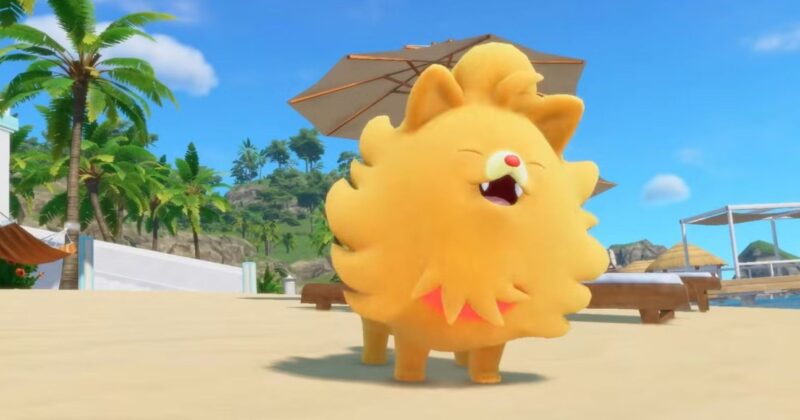
The most passionate discussions often circle around what truly defines a ‘Pokémon Type.’ Throughout the years, types have served to define elemental strengths, lore, and the very essence of Pokémon battles—from classics like Fire and Water to later additions like Fairy and Steel. Now, players are dissecting clues, such as the stylish DJ Rotom making an appearance in Pokémon Pokopia, and thematic hints sprinkled across teasers and artwork. While not direct confirmation, these have fueled a storm of theories that Game Freak could introduce a Sound Type, fundamentally changing how trainers build teams and strategize.
Much of the current skepticism draws from the observation that many existing Pokémon with audio or music themes are already classified as Normal Type—think Loudred, Exploud, and even Rotom’s stereo form. Fans argue that Sound doesn’t bring enough unique flavor to warrant a separate classification, and that its concept might be better served as a move category rather than a full-fledged type.
The Risk and Reward of Innovation
Enthusiasm and apprehension are natural reactions to the birth of a new era. On Reddit and other community platforms, some users express the concern that creating new types runs the risk of diluting existing mechanics, especially if the new type overlaps thematically with established ones. Pokémon game design thrives on strategic depth; thus, introducing a new type involves recalibrating balance, breeding charts, move pools, and interaction tables—no small feat for a franchise with over 1000 unique monsters.
Yet, the very discussion showcases both the devotion and the scrutiny the fanbase applies to each turn in the franchise. The Fairy type’s introduction in prior generations, for example, was met with initial skepticism but ultimately redefined the meta, countering dominant types and breathing new life into competitive play. Fans who reminisce about when Steel and Dark types first appeared may recall similar debates—a reminder that bold changes, if executed thoughtfully, can leave a lasting positive impact.
What Could the Sound Type Bring to the Gameplay?
- Tactical Depth: If implemented, a Sound type could open fresh tactical avenues, introducing immunity and vulnerability to certain move categories (for example, perhaps Sound could be strong against Water but weak to Electric, echoing principles of sound propagation in natural environments).
- Signature Pokémon: The introduction of this new type might coincide with memorable designs that become instant classics—imagine a legendary Pokémon themed around pure resonance, echoing both in lore and competitive play.
- Move Reclassification: Existing moves such as Hyper Voice and Boomburst could be reclassified, inviting older Pokémon back into the spotlight with new viability.
- Environmental Integration: Given the rumored coastal and atmospheric themes of Winds & Waves, sound could play an intrinsic narrative and gameplay role—perhaps certain in-game biomes or weather conditions affect the potency of sound-based moves.
Community Split: Embracing or Rejecting Change
The conversation about adding a Sound type illuminates how Pokémon’s core fanbase continually shapes its evolution. For every comment disparaging the idea as unnecessary or redundant, there are others who long for the thrill of discovery and fresh strategies. The expectation for Generation 10 is sky high, especially as some longtime trainers feel recent titles have settled into repetitive formulas.
As Pokémon approaches this potential crossroads, the debate underscores something fundamental: the cultural and emotional investment millions have in the series. Whether Sound becomes an official type or not, the speculation alone is a testament to Pokémon’s ability to inspire—and divide—generations of fans.
Beyond the Hype: What’s Next for Winds & Waves?
Through all the rumors, design debates, and heated forum threads, Pokémon’s world continues to expand in new directions. Pokémon Winds & Waves holds the promise of another turning point for the franchise. Whether this includes a shift in the type chart—or simply the introduction of new ways to play—the excitement in the community is a clear sign that, after all these years, the quest to catch ’em all still finds fresh ways to capture imaginations.