Power Rangers: A New Series, Familiar Faces—And Divided Fans
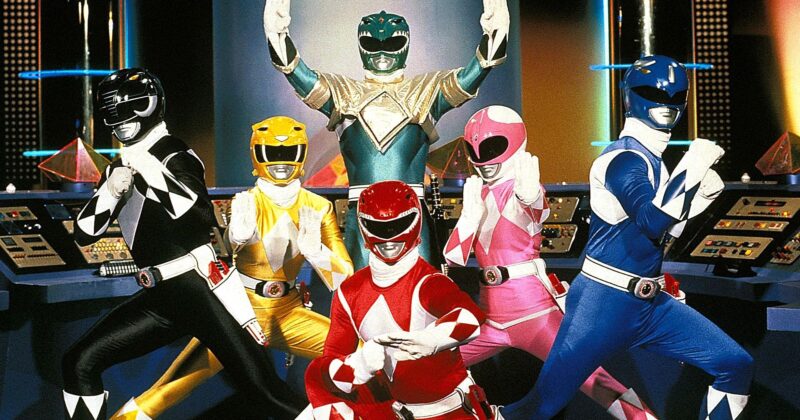
The mighty legacy of the Mighty Morphin Power Rangers is back with a fresh chapter under BOOM! Studios, reigniting one of pop culture’s most enduring superhero teams. With decades of history, cinematic reinventions, and a committed fanbase, anything new in the world of Power Rangers is guaranteed to make waves—but this time, not all is morphin’ time joy.
Why Another MMPR Series? The Franchise’s Relentless Spotlight
When word broke that the original team would reunite for a new comic series, fans split into two camps. For some, nostalgia-fueled excitement hit hard—these were, after all, the characters that shaped entire childhoods. Yet for others, the announcement triggered what’s now being called ‘Mighty Morphin fatigue.’
Unlike most superhero franchises, Power Rangers offers a parade of teams from Dino Fury to Mystic Force, RPM to Omega. For over 30 years, new teams and mythologies have expanded the universe far beyond Angel Grove. Despite this, the MMPR era continues to command most of the franchise’s comic real estate. This dominance, while commercially smart, leaves fans craving spotlights on less-explored teams and eras—a sentiment that’s only grown louder with each fresh MMPR launch.
The Creative Team and Their Vision
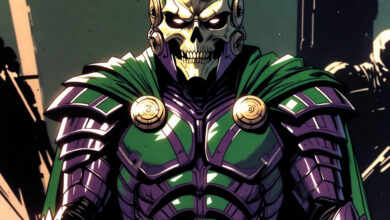
This new series recruits top-tier talent: Marguerite Bennett (known for DC’s Bombshells and Batwoman) crafts the script, while Andrew Griffith (Transformers, G.I. Joe) handles art, colored by Joshua Jensen. The pitch? The original Rangers—now adults, years after retiring their morphers—are called back into action when Rita Rabiosa, a terrifying evolution of a familiar nemesis, emerges. Exploring whether these heroes can recapture their old magic as they face new darkness, the series weaves nostalgia with a high-stakes reunion plot.
Suit Redesigns: Bold Moves or Creative Missteps?
More than just narrative, the visual direction has fans buzzing. The covers dropped online tease dramatic uniform changes—departing sharply from the classic spandex-and-diamond motifs. On forums like Reddit, the reimagined suits sparked instant controversy, with many dubbing them ‘The New 52’s Power Rangers’—a pointed nod to DC’s divisive New 52 overhaul where beloved characters got drastic visual and narrative changes. It’s a risky move: while fresh aesthetics might signal evolution, they risk alienating purists who cherish the original look.
The wave of skepticism highlights a risk familiar to any long-running pop culture institution: innovate too much, and loyalists can feel pushed aside. But stagnate, and the franchise risks irrelevance. For Power Rangers, whose visual language is iconic across generations, even switching helmets or color palettes is enough to set the internet ablaze.
The Real Stakes: More Than Just Nostalgia
Behind the costumes and controversies, the core question remains—can the creative team honor history while forging something new for modern audiences? Past attempts, like the short-lived Power Rangers Prime, tried shifting the focus away from classic teams, but with mixed results in sales and fan engagement. BOOM! Studios’ continued return to direct MMPR stories signals both commercial pragmatism and an understanding of where fan passion (and pocketbooks) still lie.
The fandom’s divide is clear: while some are ready to judge based on previews alone, others trust Bennett and Griffith’s resumes, excited for the potential surprises inside. As discussion intensifies online, one thing is certain—the continued evolution of the Power Rangers, visually and narratively, remains as dramatic and debated as ever.
What’s Next in the Morphin Grid?
With the series launching soon, all eyes will be on whether nostalgia can coexist with bold reinvention, and if audiences ultimately embrace these changes—or call for truly new teams to receive their moment in the morphin grid spotlight.