The Directors Shaping This Year’s Oscars Conversation
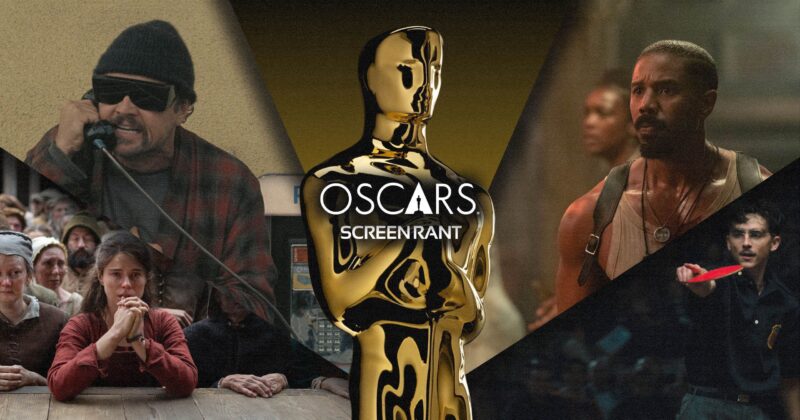
As the film industry gears up for its most prestigious night, the Best Director category shines particularly bright, putting creative giants head-to-head for one of the most coveted recognition in cinema. This year, the competition feels more loaded than ever, blending acclaimed veterans with audacious newcomers, each bringing distinctive visions to the screen.
Josh Safdie Redefines Solo Direction with ‘Marty Supreme’
Following the creative split with his brother, Josh Safdie steps out solo with Marty Supreme, an intense sports drama that has captivated critics across the awards circuit. The film’s kinetic visual style and relentless pacing earned Josh nominations from the DGA, Critics’ Choice, and BAFTA. However, industry chatter points to an uphill battle for Safdie, especially as the shadow of controversy concerning previous productions seems to have dampened industry enthusiasm for this A24 title. In an era where the director’s role is scrutinized both for on-set practices and storytelling mastery, Safdie’s innovative style puts him on the map but may not tip the scales this time.
Joachim Trier Brings International Artistry with ‘Sentimental Value’
Norwegian director Joachim Trier makes waves as the sole international contender in this year’s lineup. Sentimental Value has gained global attention, adding accolades from the Golden Globes, Critics’ Choice, and BAFTA. Despite a robust campaign, Trier’s absence from the DGA nominees list significantly impacts his forecast. Historical data shows a near lockstep correlation between DGA and Oscar Best Director winners. Trier’s subtle, character-driven storytelling underscores the enduring influence of international cinema in American awards conversations, but breaking through this particular ceiling remains a daunting challenge.
Chloé Zhao and ‘Hamnet’: Oscar Royalty Returns
Chloé Zhao emerges again with Hamnet, continuing her tradition of weaving emotional depth with epic cinematic landscapes. Already a Best Director Oscar winner, Zhao is now only the second woman — and the first woman of color — to receive multiple nominations, carving a path for new generations of filmmakers. While industry support remains strong, her inability to clinch key precursor awards suggests an underdog status. Still, Zhao’s milestone nominations highlight her growing influence and the Academy’s increasing embrace of diverse narratives.
Ryan Coogler Poised for History with ‘Sinners’
Ryan Coogler has electrified this season with Sinners. The film’s record number of nominations demonstrates wide support, and his work continues to push the boundaries of mainstream filmmaking and cultural storytelling. Although this marks Coogler’s first crack at the director category, the significance cannot be understated: he stands on the brink of becoming the first Black filmmaker to win Best Director. Only six Black directors have ever received nominations before him, placing Coogler’s achievement in a historic context. If the Academy chooses to make a cultural statement, Coogler could very well take center stage.
Paul Thomas Anderson: The Overdue Favorite with ‘One Battle After Another’
Industry insiders have dubbed Paul Thomas Anderson the odds-on favorite for One Battle After Another. After three prior nominations for monumental works like There Will Be Blood, Phantom Thread, and Licorice Pizza, Anderson has swept through this awards season: Golden Globes, Critics’ Choice, DGA, and BAFTA all landed in his corner. The Academy has a history of splitting Best Picture and Best Director, but Anderson’s streak strongly positions him for a symbolic, long-awaited win. His reputation for marrying narrative gravitas with sheer cinematic craft fuels an overdue narrative, elevating anticipation ahead of the ceremony.
What This Year’s Best Director Race Means for Hollywood
This season’s Best Director shortlist doesn’t just celebrate personal achievement — it reflects seismic shifts in film culture, from the breaking of traditional barriers to new voices reclaiming their space on Hollywood’s most important stage. Whether it’s the solo reinvention of a veteran, the global reach of European auteurs, or history-in-the-making with potential firsts, these directors all contribute to a broader, more inclusive vision for the future of cinema.