The Realities of Adapting Fantasy for Streaming Giants
Prime Video’s foray into epic fantasy has been anything but uneventful. Adapting beloved book sagas like The Lord of the Rings into The Rings of Power and Robert Jordan’s monumental The Wheel of Time is a high-wire act—especially when legions of passionate fans know every detail. With mounting budgets, bold narrative choices, and a swirling current of fan scrutiny, these adaptations reveal just how tumultuous bringing fantasy classics to the small screen can be.
Fan Expectations vs. Streaming Reality
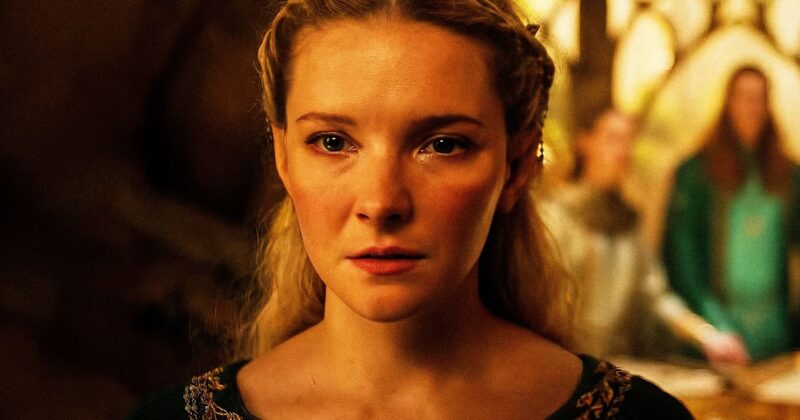
The Rings of Power entered the streaming scene with thunderous anticipation and, inevitably, strong opinions. While critics largely applauded its ambition and production values (with a combined 84% positive critical reception across two seasons), the general audience proved far less enchanted—hovering around a 48% approval on Rotten Tomatoes. The primary lightning rod? Changes to Tolkien’s intricate Second Age canon. Condensing thousands of years into mere weeks on screen demanded narrative surgery, and the result has divided long-time readers and newcomers alike.
These creative liberties, while necessary from a screenwriting perspective, have consistently sparked debate about artistic license vs. source material faithfulness—a recurring hurdle for any fantasy adaptation in the streaming era. The quantitative feedback underscores this tension. While audience response improved slightly in the second season (up to 58%), it still trailed far behind the critical consensus. Notably, these perception gaps have reportedly been coupled with poor completion rates and declining viewership, highlighting engagement challenges that sophisticated visual effects and grandiose sets alone can’t solve.
The Wheel of Time: A Fleeting Success Story
Prime Video was no stranger to these adaptation headaches. The Wheel of Time encountered its own storm of reactions from the moment Rosamund Pike’s Moiraine debuted. The showrunners faced a familiar conundrum: distill massive tomes full of world-building and character arcs into digestible television. The result—a dramatically condensed narrative—left some viewers unsatisfied. However, unlike The Rings of Power, The Wheel of Time managed to gain traction with audiences over time, as seen in its climbing Rotten Tomatoes score from 62% for season one to a more robust 85% by season three.
This improvement coincided with increased investment in production quality, but the rising costs didn’t translate to a broader audience. Ultimately, Prime Video pulled the plug on the series, deeming it unsustainable despite its improved reception. The hard lesson: high production values alone can’t guarantee longevity in a crowded market where return on investment is scrutinized just as intensely as fan reactions on social media.
Why The Rings of Power Survives Where Others Fall
Given this backdrop, the mere survival of The Rings of Power—despite parallel struggles—is as much about economics as it is about storytelling. Amazon’s acquisition of Tolkien’s television rights came at an astronomical cost, rumored to exceed $250 million, with each episode requiring an additional $60 million outlay. There’s also a contractual twist: not producing a committed season incurs steep penalties, estimated at $20 million per unmade season. In this context, abandoning the series would be an even costlier proposition.
Moreover, the decision to cancel The Wheel of Time may have been strategic, allowing Prime Video to double down on its highest-stakes property. Resource allocation in original streaming content is a zero-sum game; when budgets are this stratospheric, shifting focus can be a matter of survival for premium franchises.
What the Future Holds for Fantasy Streaming
The landscape for streaming fantasy is in flux, shaped by towering expectations from established fanbases and an industry grappling with the immense costs of blockbuster adaptations. As lessons from both The Wheel of Time and The Rings of Power suggest, even the deepest pockets and the brightest creative minds must navigate the intricacies of fandom, canon, and sheer viewership math. With more high-stakes adaptations on the way—each with their own fiercely protective communities—Prime Video and its competitors will need sharper instincts than ever to win the loyalty of today’s streaming audiences.